
Introduction
Madagascar is one of the most special places on Earth for wildlife lovers. This island sits off the coast of Africa and feels like a natural world of its own. Many animals in madagascar live nowhere else on the planet. Over millions of years, the island stayed isolated. This allowed animals to evolve in unique ways. Today, Madagascar is home to strange, beautiful, and rare species that amaze scientists and visitors alike.
When people think about animals in madagascar, lemurs often come to mind first. But the island offers much more than that. It has colorful birds, unusual reptiles, secretive mammals, and insects that look like living art. These animals play an important role in keeping nature balanced. Learning about them helps us understand why Madagascar matters so much for global wildlife conservation.
This guide explores the most famous animals in madagascar, their habitats, and why they need protection. If you love nature and want to discover a world unlike any other, Madagascar will surely inspire you.
Unique Wildlife of Madagascar
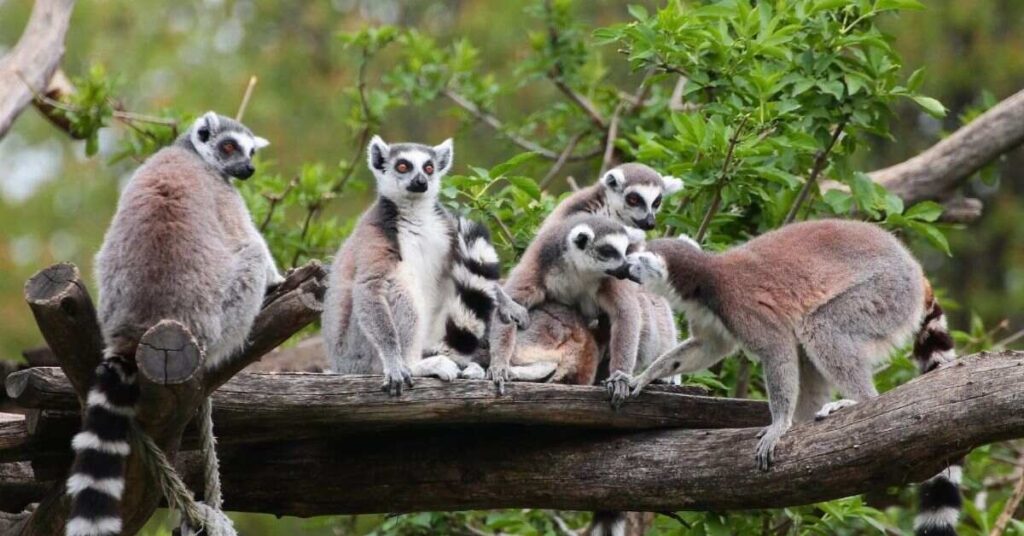
Madagascar is home to some of the most unique wildlife on Earth. Most animals in Madagascar are found nowhere else in the world. This includes many lemurs, chameleons, and frogs. Each species has evolved in its own special way over millions of years. The island’s isolation allowed animals to develop unusual colors, shapes, and behaviors.
Forests, dry lands, and coastal areas all support different animals in Madagascar. Rainforests are full of tree-dwelling species. Dry forests shelter animals that survive with little water. Coastal areas host marine life and nesting birds. Protecting these habitats is important to keep Madagascar’s wildlife thriving. These unique animals make Madagascar a truly special place for nature lovers.
Lemurs of Madagascar
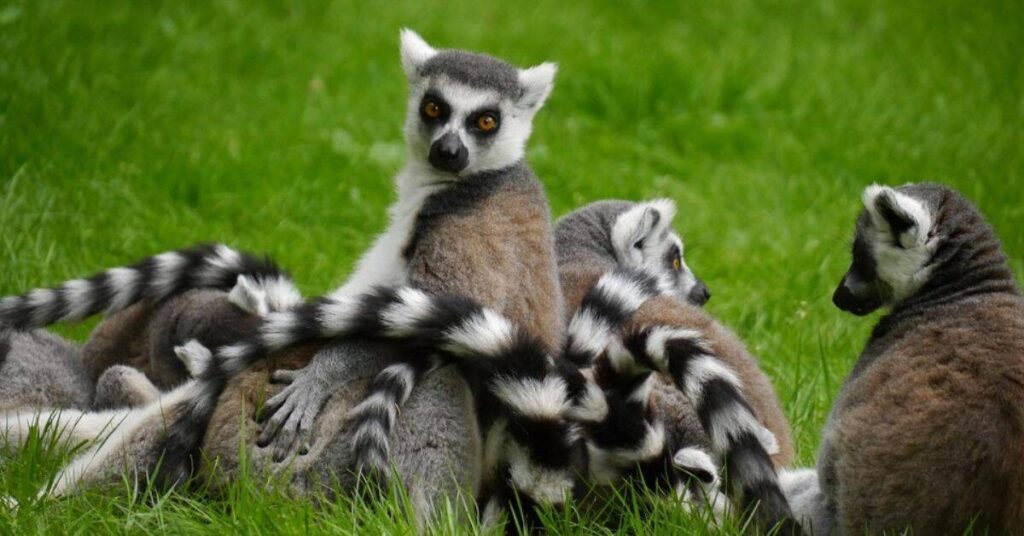
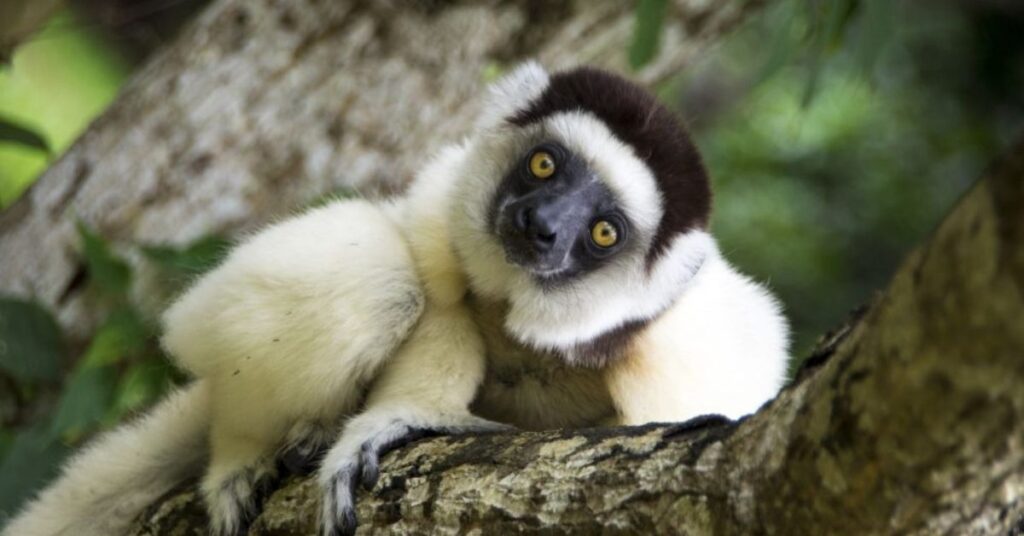
Lemurs are the most famous animals in Madagascar. They are found only on this island. There are more than one hundred species of lemurs. Some are tiny like a mouse, while others are large and powerful. Ring tailed lemurs are social and use their striped tails to communicate. Indri lemurs are known for their loud calls that echo through the forests.
Lemurs are very important for the environment. They spread seeds as they move through the trees. This helps plants grow and forests stay healthy. Many lemur species are endangered due to forest loss and hunting. Protecting lemurs also protects other animals and the forests they live in. They are a symbol of Madagascar’s unique wildlife.
Why Are Animals in Madagascar So Special
Animals in Madagascar are special because most of them live only on this island. Madagascar stayed separated from other lands for millions of years. This isolation allowed animals to evolve in their own way. Over time, they developed unique shapes, colors, and behaviors. That is why animals in Madagascar look very different from animals found in other parts of the world.
Another reason animals in Madagascar are so special is their strong connection to nature. Each species plays an important role in keeping ecosystems healthy. Lemurs spread seeds. Reptiles control insects. Birds help plants grow. When these animals thrive, forests stay balanced. This deep link between animals and their environment makes Madagascar one of the most important wildlife regions on Earth.
How Did the Animals End Up in Madagascar?
Animals ended up in Madagascar because the island separated from other land areas long ago. Millions of years ago, Madagascar broke away and drifted into the ocean. After this separation, animals could no longer move freely to or from the island. The animals that were already there became isolated and began to change over time.
Some animals reached Madagascar by floating on natural rafts made of plants and trees. Ocean currents helped carry them across the sea. Once they arrived, they adapted to the island’s environment. With no large predators around, many species evolved in unique ways. This is how Madagascar became home to such rare and special animals.
What Is Madagascar’s National Animal?
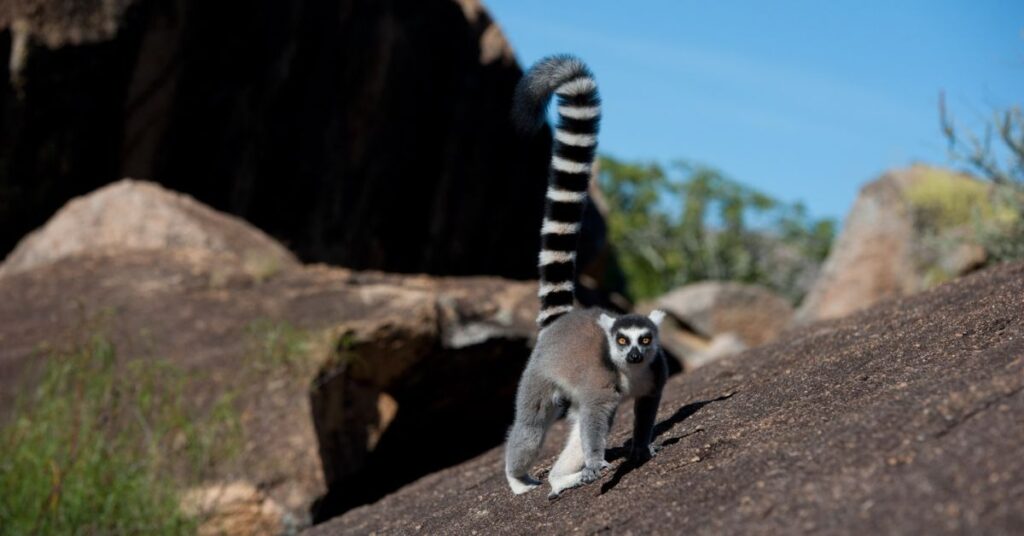
Madagascar’s national animal is the ring tailed lemur. This animal is one of the most famous animals in Madagascar. It is easy to recognize because of its long tail with black and white rings. The ring tailed lemur lives in groups and is active during the day. Many people around the world connect Madagascar with this unique animal.
The ring tailed lemur represents the rich wildlife of the island. It shows how special animals in Madagascar are. This lemur also plays an important role in nature by spreading seeds and helping forests grow. Because of habitat loss, the ring tailed lemur needs protection. Saving this national animal helps protect Madagascar’s natural heritage.
Meet the Top 5 Wild Animals of Madagascar
Madagascar is home to many rare and amazing creatures. Some animals stand out because they are famous, unique, and deeply connected to the island. These animals in Madagascar show how rich and special the island’s wildlife is. Many visitors come just to see these species in the wild. Each one plays an important role in nature and helps keep ecosystems balanced.
The top wild animals of Madagascar include both mammals and reptiles. They live in forests, dry lands, and wetlands. Their shapes, behaviors, and survival skills make them truly special. Below are some of the most well known animals that represent Madagascar’s wildlife beauty.
• Ring tailed lemur, known for its striped tail and social life
• Indri lemur, famous for loud calls heard across forests
• Fossa, the island’s top predator with cat like features
• Panther chameleon, admired for its color changing skin
• Madagascar fish eagle, one of the rarest birds of prey
These animals remind us why protecting wildlife in Madagascar is so important.
What Is the Exotic Animal in Madagascar?
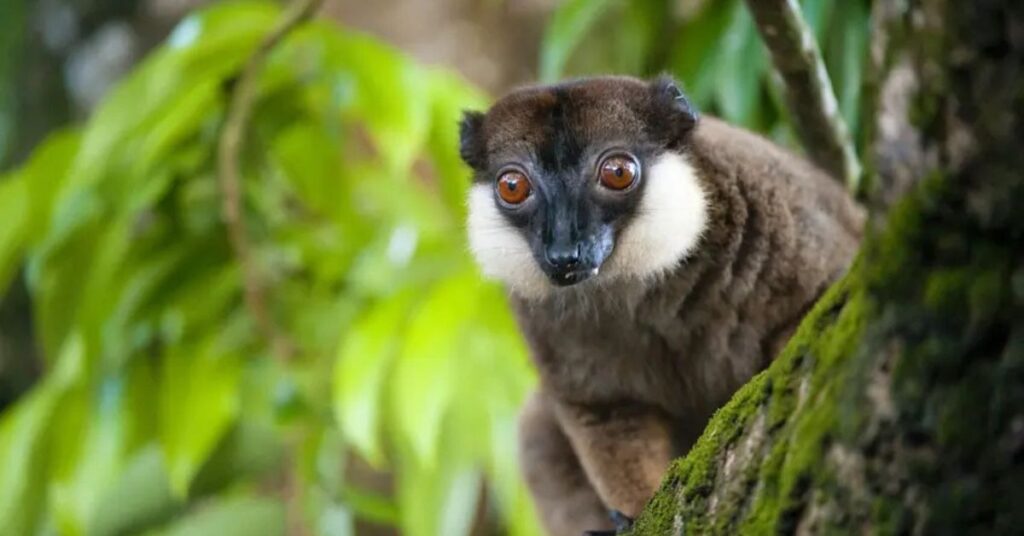
Many people consider the chameleon to be the most exotic animal in Madagascar. Madagascar has more chameleon species than any other place on Earth. Some are very small, while others grow quite large. Their bright colors and slow movements make them fascinating to watch. These animals can change color to communicate and respond to their surroundings.
Another exotic animal in Madagascar is the aye aye. This unusual lemur has big eyes and long fingers. It looks very different from other animals. The aye aye uses its thin finger to find insects inside tree bark. These rare and strange animals show why Madagascar feels like a world of its own.
The Best Places to See Madagascar’s Wild Animals
Madagascar has many amazing places to see its wildlife. National parks and reserves protect animals and their habitats. Visitors can explore rainforests, dry forests, and coastal areas. Each place offers a chance to see unique animals in their natural home. Watching lemurs jump between trees or spotting colorful chameleons is an unforgettable experience.
Some of the best spots include Andasibe-Mantadia National Park, home to indri lemurs and many birds. Ranomafana National Park is famous for rare lemurs and lush forests. Ankarafantsika National Park has dry forests and unique reptiles. Visiting these areas helps protect animals in Madagascar and supports local communities. These parks give travelers a safe way to enjoy wildlife while learning about conservation.
1. Andasibe-Mantadia National Park
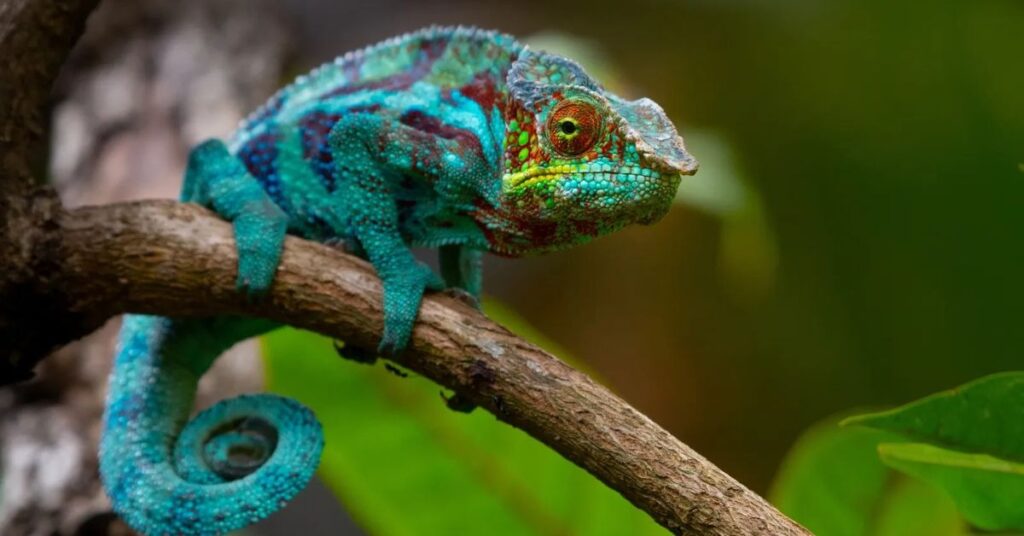
Andasibe-Mantadia National Park is one of the most popular places to see animals in Madagascar. The park is full of lush rainforests and tall trees. It is home to the indri lemur, the largest living lemur species. Visitors can hear their loud calls echoing through the forest. Many birds, reptiles, and insects also live in the park, making it a wildlife paradise.
The park is easy to explore with guided walks and trails. Guides help spot shy animals like chameleons and frogs. Night walks reveal nocturnal creatures that are rarely seen during the day. Visiting Andasibe-Mantadia supports conservation and helps protect Madagascar’s unique wildlife. It is a must-see destination for anyone who loves nature.
2. Ranomafana National Park
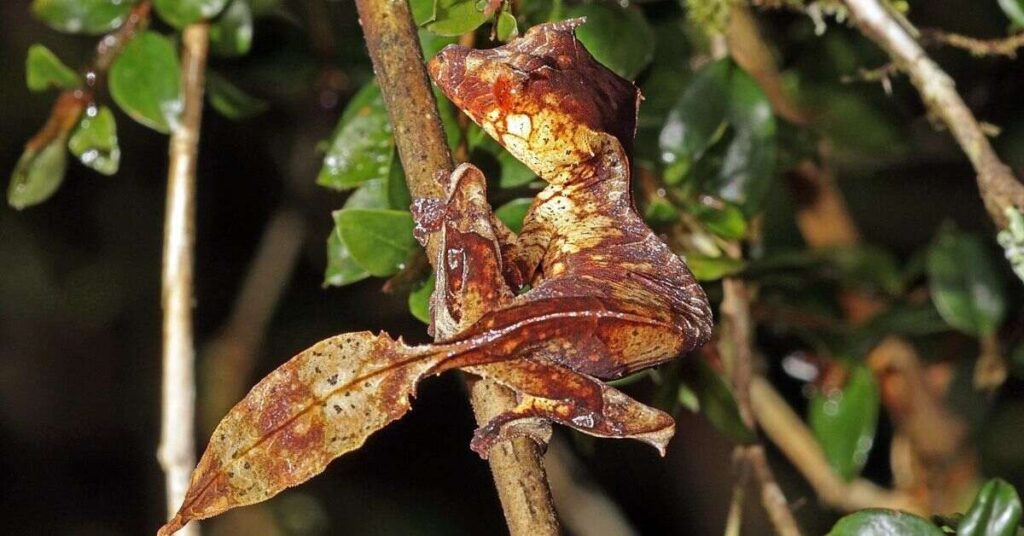
Ranomafana National Park is a rainforest park in eastern Madagascar. It is famous for its rare and endangered lemurs. Golden bamboo lemurs live here, along with many other species. The park also has colorful frogs, birds, and insects. Streams and waterfalls make the park beautiful and full of life.
Visitors can explore the park on guided trails. Guides help spot hidden animals in the dense forest. Night walks show nocturnal creatures like mouse lemurs and chameleons. Ranomafana National Park plays a key role in protecting animals in Madagascar. Visiting the park supports conservation and helps local communities.
3. Tsingy de Bemaraha National Park
Tsingy de Bemaraha National Park is a unique and dramatic landscape in western Madagascar. The park is famous for its sharp limestone formations called tsingy. These rocky cliffs create natural habitats for many animals in Madagascar. Lemurs, birds, and reptiles live among the rocks. The park also has caves, canyons, and rivers, adding to its wild beauty.
Visitors can explore the park on guided tours with ropes and walkways. Trails lead to stunning viewpoints and hidden wildlife spots. The park is home to rare and endemic species found only in this area. Visiting Tsingy de Bemaraha helps protect its unique wildlife and fragile environment. It is a must-see for adventure and nature lovers.
4. Isalo National Park
Isalo National Park is located in the south of Madagascar. It is famous for its sandstone canyons, cliffs, and grassy plains. Many animals in Madagascar live here, including lemurs and reptiles. Waterholes and small streams attract birds and other wildlife. The park’s landscapes make it look like a desert oasis.
Visitors can hike along marked trails to see the wildlife and stunning scenery. Guided tours help spot hidden animals and explain the park’s ecology. Sunset views over the canyons are breathtaking. Visiting Isalo National Park supports conservation and protects animals in Madagascar. It is perfect for nature lovers and photographers.
5. Masoala National Park
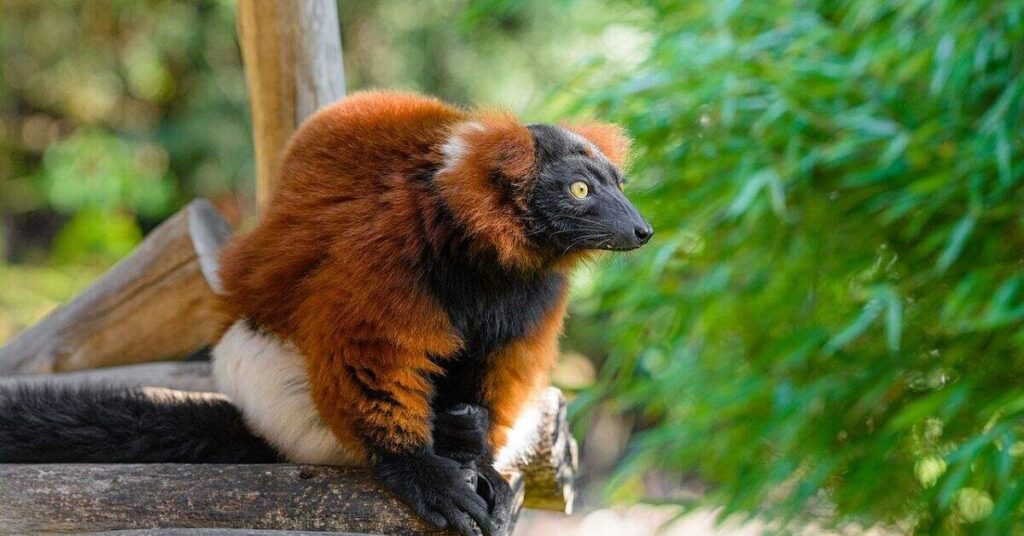
Masoala National Park is the largest protected area in Madagascar. It is located in the northeast and has dense rainforests and mangroves. Many rare animals in Madagascar live here, including red ruffed lemurs and chameleons. The park also has rivers, beaches, and coral reefs, making it rich in wildlife both on land and in water.
Visitors can explore trails, go birdwatching, or take guided boat trips along the coast. Night walks reveal nocturnal creatures like aye-ayes and leaf-tailed geckos. Masoala National Park plays a vital role in protecting animals and plants in Madagascar. Visiting the park helps local communities and supports conservation efforts.
Read about it more: https://www.wildlifenomads.com/blog/animals-in-madagascar-land-of-unique-wildlife/
Mammals Beyond Lemurs
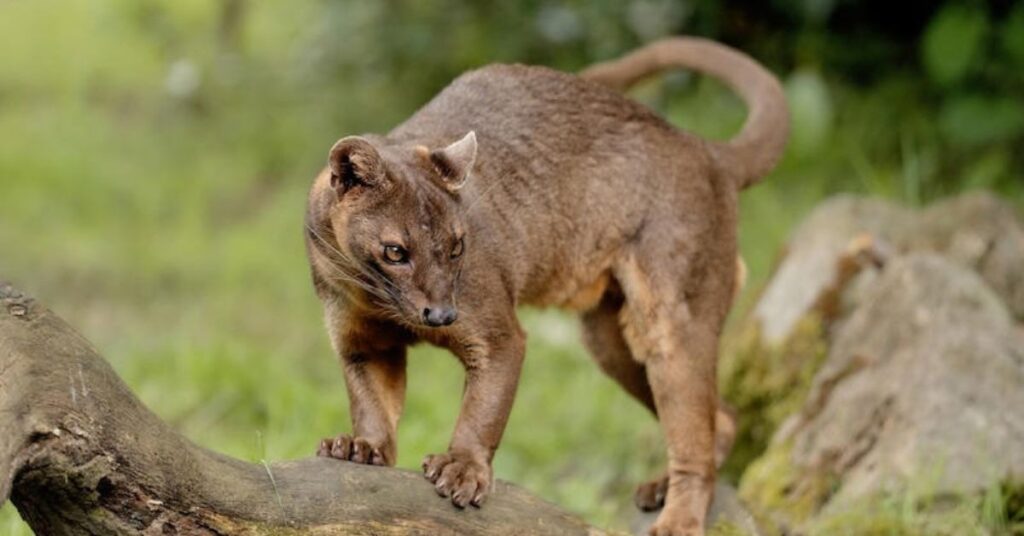
While lemurs dominate attention, other mammals also enrich the world of animals in madagascar. Many of these mammals evolved in surprising ways. The fossa is one of the most interesting examples. It looks like a mix between a cat and a mongoose. The fossa is Madagascar’s top predator and mainly hunts lemurs.
Tenrecs are another unusual group. They come in many forms, from hedgehog like species to aquatic types. Some tenrecs use echolocation, a skill usually linked with bats and dolphins. This shows how creative evolution can be.
Madagascar also has bats, rodents, and small carnivores found nowhere else. These mammals help control insect populations and spread plant seeds. Each species fills an important role in nature.
Even though many of these mammals are small or shy, they matter deeply. Losing even one species can disturb the balance of ecosystems. Protecting all animals in madagascar means caring for both famous and lesser known creatures.
Reptiles and Amphibians of Madagascar
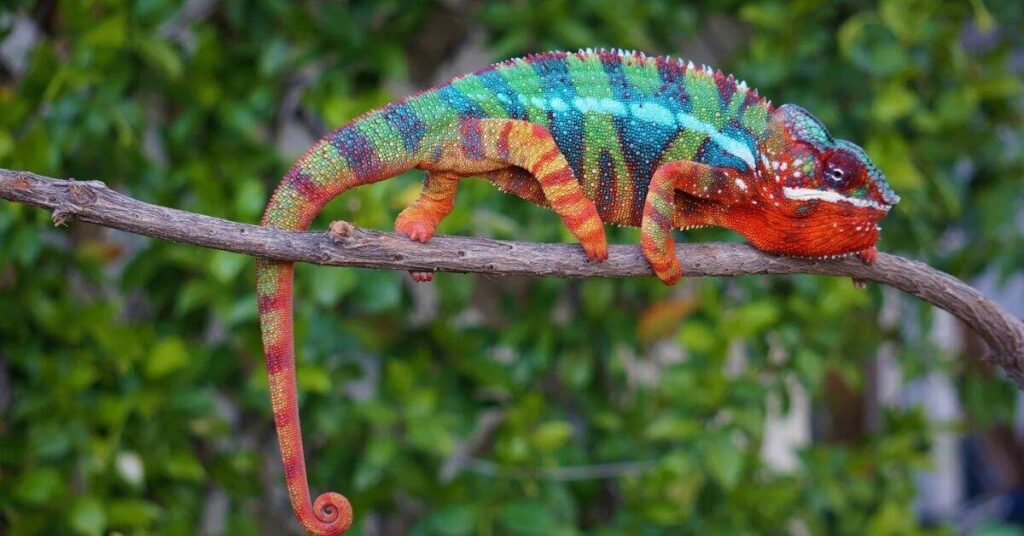
Madagascar is a paradise for reptile lovers. The island hosts an incredible variety of reptiles and amphibians. Many animals in madagascar from this group show bright colors and unusual shapes.
Chameleons are the most iconic reptiles here. Madagascar has more chameleon species than anywhere else in the world. Some are tiny enough to sit on a fingertip. Others grow large and display bold colors. These reptiles change color to communicate and adapt to their surroundings.
Geckos also thrive on the island. Leaf tailed geckos blend perfectly with tree bark and leaves. Frogs add to the diversity with vibrant colors and loud calls. Many frogs warn predators through bright skin patterns.
Reptiles and amphibians help control insects and support food chains. They also serve as indicators of environmental health. When their numbers drop, it signals problems in nature. Protecting these animals in madagascar helps keep ecosystems stable.
Birdlife in Madagascar
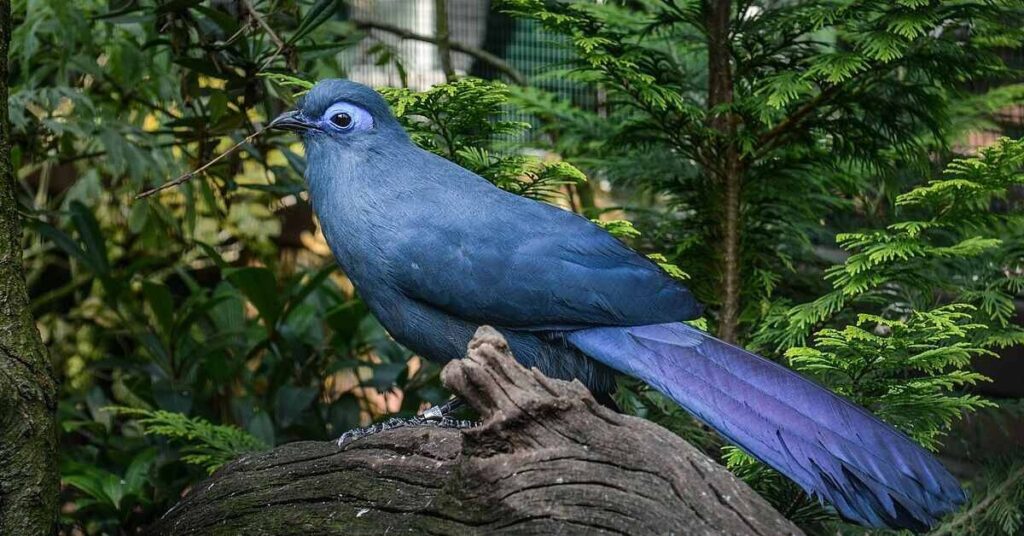
Birds bring sound and color to the world of animals in madagascar. The island hosts many bird species found nowhere else. These birds adapt to forests, wetlands, and coastal areas.
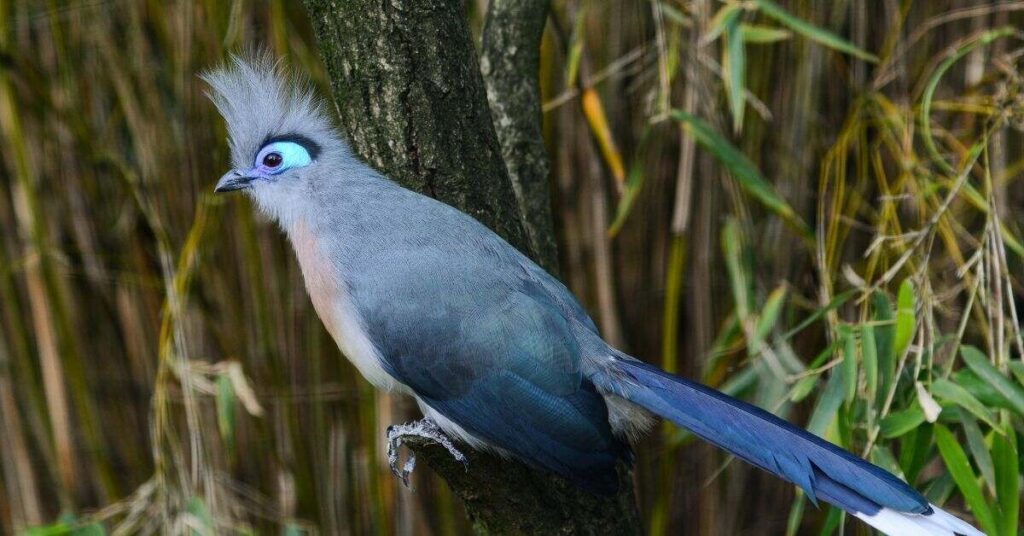
The Madagascar fish eagle is one of the rarest birds of prey on Earth. It lives near lakes and rivers and depends on clean water. Vangas are another unique bird group. They evolved into many forms, each with different beak shapes for feeding.
Ground rollers and couas add charm with their curious behaviors. Many birds help pollinate plants and spread seeds. Their songs and movements make forests feel alive.
Birds also attract nature lovers and researchers. Birdwatching supports eco tourism, which can help local communities. Protecting bird habitats ensures animals in madagascar continue to inspire future generations.
Insects and Invertebrates of Madagascar
Small creatures play a big role among animals in madagascar. Insects and invertebrates form the foundation of many ecosystems. Madagascar hosts giant insects, colorful butterflies, and rare beetles.
The comet moth stands out with its long tail wings. It looks almost unreal as it flies through forests. Stick insects and leaf insects blend perfectly with plants. This helps them avoid predators.
Spiders, ants, and other invertebrates help recycle nutrients. They break down dead material and enrich the soil. Without them, forests would struggle to stay healthy.
Even though they are often overlooked, insects matter deeply. They support food chains and help plants grow. Protecting animals in madagascar includes caring for the smallest lives too.
Habitats That Support Madagascar Wildlife
Animals in madagascar depend on diverse habitats. Rainforests cover the eastern side of the island. These forests stay warm and wet year round. They support tree dwelling species like lemurs and birds.
Dry forests dominate the west. Animals here adapt to seasonal droughts. Spiny forests in the south feature sharp plants and hardy animals. Coastal regions support marine life and nesting birds.
Each habitat connects to the others. When one area suffers, nearby ecosystems feel the impact. Forest loss reduces water quality. This affects rivers and coastal zones.
Protecting habitats ensures animals in madagascar have food, shelter, and space to live. Conservation efforts focus on preserving these natural areas for the future.
Major Animals in Madagascar Table
| Animal Name | Type | Habitat | Unique Feature |
| Ring Tailed Lemur | Mammal | Dry forests | Social behavior and striped tail |
| Indri Lemur | Mammal | Rainforests | Loud calls and large size |
| Fossa | Mammal | Forests | Top predator of the island |
| Panther Chameleon | Reptile | Forests | Color changing skin |
| Madagascar Fish Eagle | Bird | Wetlands | Rare and powerful hunter |
Threats to Animals in Madagascar
Many animals in madagascar face serious dangers. Deforestation is the biggest threat. People cut forests for farming and fuel. This destroys homes for wildlife.
Illegal hunting also harms animal populations. Some species are captured for trade. Climate change adds pressure by altering weather patterns.
When habitats disappear, animals struggle to find food. Small populations become isolated. This reduces genetic diversity.
Protecting animals in madagascar requires action from governments, communities, and visitors. Sustainable practices can reduce harm and support nature.
Conservation Efforts and Hope
Despite challenges, hope exists for animals in madagascar. Protected parks and reserves help save habitats. Local communities now join conservation projects.
Education plays a key role. When people understand wildlife value, they protect it. Eco tourism also supports conservation. Responsible travel creates income while preserving nature.
International organizations work with locals to protect endangered species. These efforts show positive results in some regions.
Saving animals in madagascar is possible with teamwork and awareness. Every effort counts toward a healthier planet.
How You Can Help Animals in Madagascar
There are many ways to help protect animals in Madagascar. Small actions can make a big difference for wildlife and their habitats. Supporting conservation projects is one of the best ways to help. Educating others about Madagascar’s unique animals also spreads awareness. Responsible tourism ensures that visitors do not harm the environment while exploring the island.
You can take simple steps to support animals in Madagascar:
• Support wildlife conservation organizations working on the island
• Choose eco-friendly tours and accommodations
• Avoid buying products made from endangered animals
• Spread awareness about the importance of protecting habitats
• Volunteer or donate to local projects that protect wildlife
Conclusion
Animals in madagascar represent one of Earth’s greatest natural treasures. From lemurs to chameleons, every species tells a story of evolution and survival. These animals depend on healthy habitats and responsible human actions.
Learning about them builds respect and care for nature. Protecting Madagascar’s wildlife protects global biodiversity. The island reminds us how special and fragile life can be.
By supporting conservation and spreading awareness, we help ensure animals in madagascar continue to thrive for generations to come.
FAQs
What makes animals in madagascar unique?
Animals in madagascar evolved in isolation, making most species endemic and found nowhere else.
Are lemurs only found in Madagascar?
Yes, all lemur species live naturally only in Madagascar.
Why is Madagascar important for wildlife conservation?
Madagascar protects rare species and helps maintain global biodiversity balance.
What are the biggest threats to animals in madagascar?
Deforestation, hunting, and climate change threaten wildlife survival.
How can people help protect animals in madagascar?
People can support conservation groups, practice responsible tourism, and spread awareness.
