

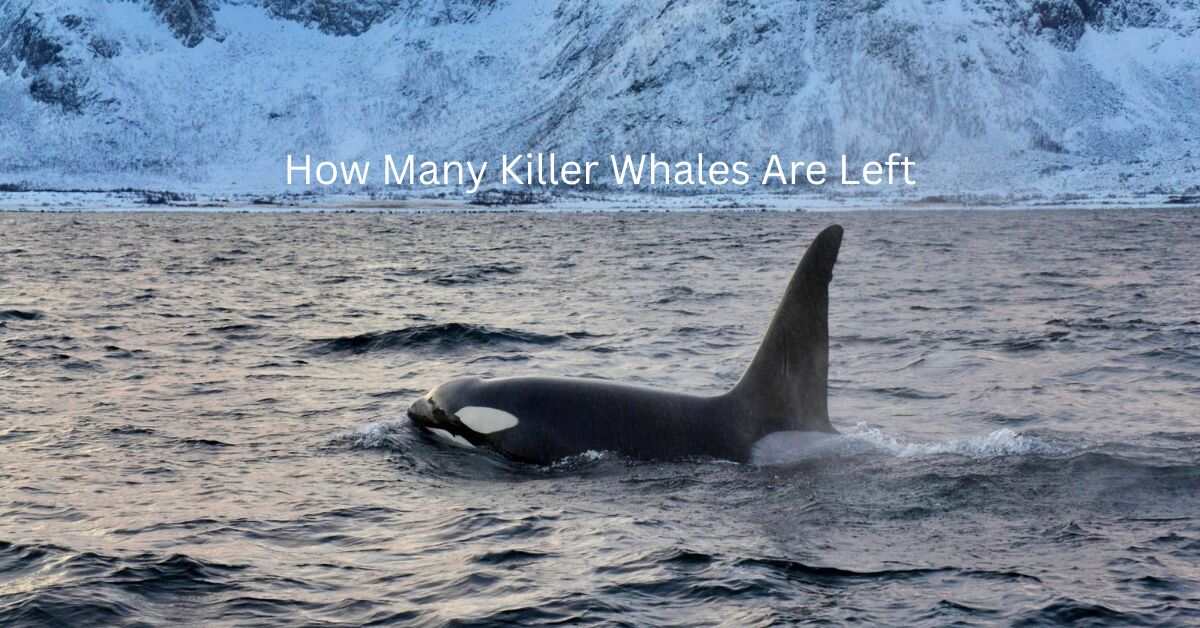
Discover the current population status of killer whales worldwide, threats they face, and conservation efforts protecting these magnificent ocean predators from extinction.
The ocean’s most powerful predator faces an uncertain future. Killer whales, also called orcas, captivate millions of people worldwide with their intelligence and beauty. But many wonder: how many killer whales are left in our oceans today?
The answer is more complex than you might think. While approximately 50,000 killer whales swim in our oceans globally, some populations are dangerously close to extinction. The Southern Resident killer whales in the Pacific Northwest number only 74 individuals as of 2025, making them one of the most critically endangered marine mammals on Earth.
Understanding killer whale populations helps us protect these remarkable creatures. This guide explores their current numbers, the threats they face, and what we can do to ensure their survival for future generations.
Understanding Global Killer Whale Populations
Scientists estimate that around 50,000 killer whales inhabit the world’s oceans. However, this number represents the entire global population spread across different ecotypes and regions. Each population faces unique challenges and lives in distinct environments.
Killer whales live in oceans all around the world. Some groups are large, while others are very small. Each group has its own habits and food. Some eat fish. Others hunt seals or even sharks. Scientists study these groups to learn how many are left. Their numbers are different in every region.
Many threats affect killer whale populations. Pollution enters the water and harms them. Noise from ships makes communication hard. Climate change reduces their food. Some groups are declining fast. Others are stable. By understanding these differences, people can protect them better. Knowledge helps us make the right choices for their survival.
Different Types of Killer Whales and Their Population Status
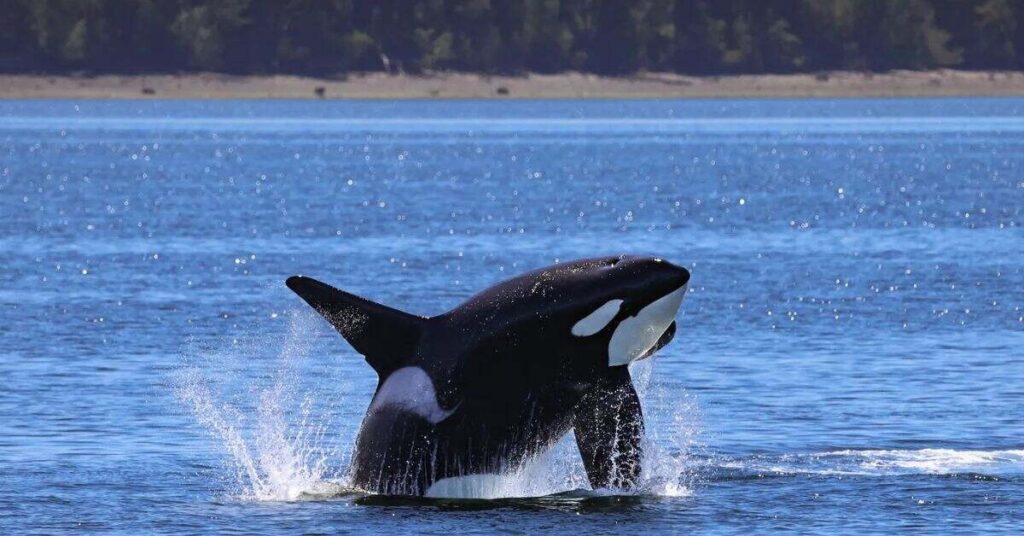
Killer whales are not all the same. There are several types, also called ecotypes. The main ones are residents, transients, and offshore orcas. Resident orcas live in specific areas and eat mostly fish. Transients roam widely and hunt mammals like seals. Offshore orcas are less known and stay far from shore. Each type has a different population size. Resident orcas in the Pacific Northwest number around 300. Transients are fewer, about 200 in the same area. Offshore orcas are harder to count, but estimates say around 500 worldwide.
Populations of killer whales face many threats. Pollution, overfishing, and ship traffic affect their numbers. Some types are more at risk than others. Resident orcas are endangered in certain regions. Transients are more spread out, so they are less threatened but still face dangers. Offshore orcas have little data, so scientists watch them closely. Conservation efforts are in place to protect all types. Understanding each type helps humans save these amazing animals.
Major Threats Facing Killer Whale Populations
Killer whales face many dangers in the wild. Pollution is a big problem. Chemicals like PCBs build up in their bodies. This makes them sick and weak. Overfishing also affects them. When fish numbers drop, whales have less food. Ship traffic can harm them too. Noise from boats makes it hard for whales to communicate and hunt.
Climate change is another serious threat. Warmer oceans change where prey live. Some whales may starve if they cannot find enough food. Oil spills and habitat loss also put them at risk. Human activities have made life harder for killer whales. Scientists and conservationists are working to protect them. Awareness and action are needed to keep their populations safe.
Conservation Efforts to Save Endangered Killer Whales
Many groups work to protect killer whales. Laws are made to stop hunting and capture. Some areas are set as marine protected zones. These zones give whales safe spaces to live and hunt. Scientists track whale populations. This helps understand their needs and threats. Rescue teams help injured or sick whales. Rehabilitation programs give them care before releasing them back to the wild.
People also work to reduce pollution and boat noise. Fishing rules are improved to make more food available for whales. Public awareness campaigns teach people about the dangers whales face. Communities are encouraged to protect oceans and wildlife. These combined efforts help slow population decline. With continued support, endangered killer whales have a better chance to survive and thrive.
Are Killer Whales Endangered Animals?
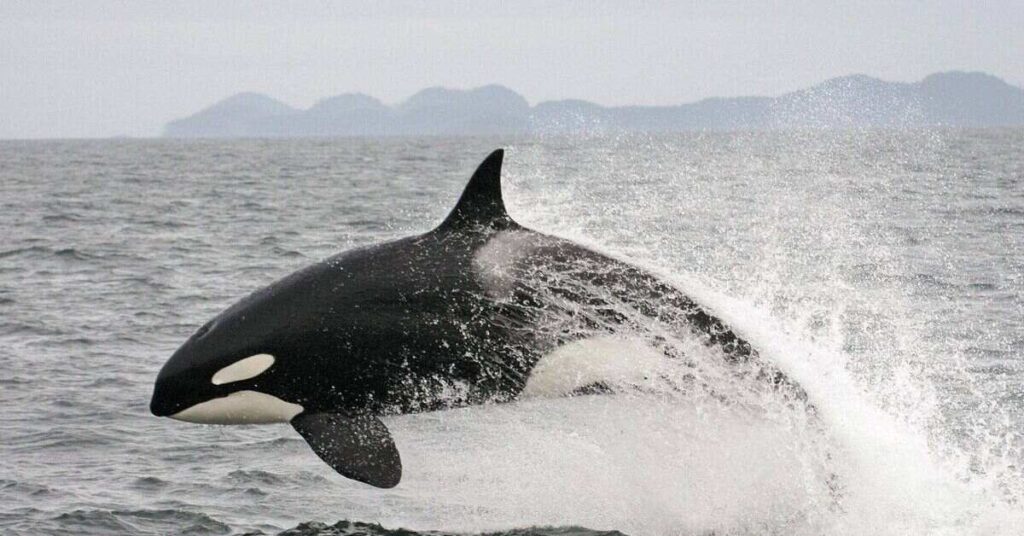
Not all killer whales are endangered. Some populations, like certain resident orcas in the Pacific Northwest, are at high risk. Their numbers are very low, and they face many threats. Other types, like transient or offshore orcas, have more stable populations. Scientists study each group to understand their status.
Human activities make some whales more vulnerable. Pollution, lack of food, and ship traffic harm them. Climate change also affects their environment. Because of these dangers, some killer whales are officially listed as endangered. Conservation efforts are needed to protect them. With care, humans can help these amazing animals survive.
1.Declining Prey Availability
Killer whales need plenty of food to survive. Many populations rely on specific fish or marine mammals. Overfishing by humans reduces the number of fish available. When prey is scarce, whales may starve or move to new areas. This affects their health and reproduction.
Other factors also reduce prey availability:
- Climate change shifts the location of fish and seals.
- Pollution can harm the fish they eat.
- Competition with other predators lowers food supply.
With less prey, killer whales struggle to survive. Protecting their food sources is key to keeping their populations healthy.
2.Toxic Pollution
Toxic pollution is a major threat to killer whales. Chemicals like PCBs, heavy metals, and pesticides enter the oceans. These toxins build up in whale bodies over time. They affect the immune system and reproduction. Polluted waters also reduce the quality of their food.
Some effects of toxic pollution include:
- Weakening of the immune system.
- Lower birth rates and unhealthy calves.
- Increased risk of diseases and death.
- Long-term damage to organs and tissues.
Reducing pollution is critical. Cleaner oceans help whales stay healthy and reproduce. Protecting their environment ensures their survival for future generations.
3.Ship Traffic & Noise Pollution
Ship traffic and noise are big problems for killer whales. Loud engines and sonar disturb their communication. Whales rely on sound to hunt, navigate, and socialize. Too much noise can confuse or stress them. Collisions with ships can cause serious injuries or death.
Impacts of ship traffic and noise include:
- Difficulty finding prey.
- Separation of mothers and calves.
- Stress and behavioral changes.
- Increased risk of accidents and injuries.
Reducing noise and controlling ship routes helps protect whales. Quieter oceans let them hunt and live safely. Careful planning of marine traffic is important for their survival.
4.Climate Change
Climate change is a serious threat to killer whales. Rising ocean temperatures affect where their prey live. Ice melting in polar regions changes habitats for some whale populations. Extreme weather events also disrupt the food chain. These changes make it harder for whales to find enough food.
Effects of climate change on killer whales include:
- Shifts in fish and seal populations.
- Loss of important hunting grounds.
- Changes in migration patterns.
- Increased stress and lower reproduction rates.
Reducing climate change impacts is important. Protecting oceans and managing human activities can help whales survive. Healthy ecosystems support both whales and their prey.
5.Oil Spills
Oil spills are very dangerous for killer whales. Oil spreads across the water and harms the animals directly. Whales can breathe in toxic fumes or ingest oil while hunting. It damages their skin, eyes, and internal organs. Oil also harms the fish and seals they eat, reducing their food supply.
Effects of oil spills on killer whales include:
- Poisoning from contaminated water and prey.
- Skin and eye irritation.
- Weakened immune system.
- Lower survival and reproduction rates.
Preventing oil spills is crucial. Quick cleanup and stricter regulations help protect whales and their habitat. Healthy oceans are essential for their survival.
Types of Killer Whales
Killer whales are divided into different types called ecotypes. The main types are resident, transient, and offshore. Resident orcas stay in one area and mainly eat fish. Transient orcas move around and hunt marine mammals like seals and sea lions. Offshore orcas live far from shore and are less studied. Each type has unique behavior, diet, and social structure.
Population sizes vary for each type. Resident orcas are often found in the Pacific Northwest, with around 300 whales. Transients are fewer, about 200 in the same region. Offshore orcas are harder to count, but estimates suggest around 500 worldwide. Understanding these types helps in protecting them and their habitats.
1.Southern Resident Killer Whales
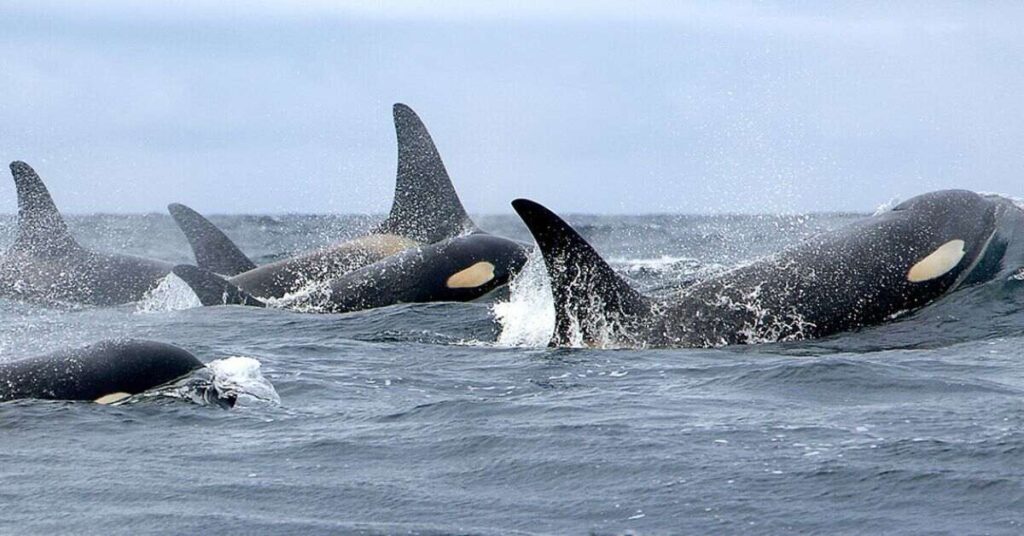
Southern Resident killer whales are a small and endangered group. They live mainly in the waters of the Pacific Northwest. These whales eat mostly salmon, especially Chinook salmon. Their population is very low, with fewer than 80 individuals. They face many threats from humans and the environment.
Key facts about Southern Resident killer whales:
- Depend on healthy salmon populations for food.
- Threatened by pollution and toxic chemicals.
- Disturbed by boat traffic and noise.
- Climate change affects their food supply.
2.Transient Orcas (Bigg’s Killer Whales)
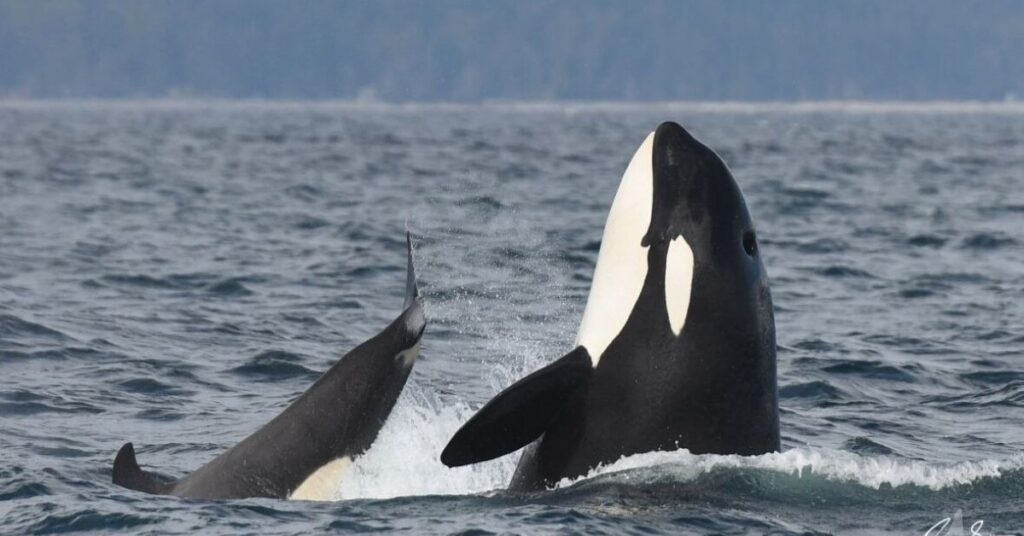
Transient orcas, also called Bigg’s killer whales, are different from resident whales. They travel long distances and hunt marine mammals like seals, sea lions, and porpoises. They live in small groups and are very stealthy hunters. Their diet and roaming habits make them more spread out than resident whales.
Key facts about Transient Orcas:
- Hunt mostly mammals instead of fish.
- Travel widely along coasts and open waters.
- Live in small, tight-knit family groups.
- Less affected by pollution but still face threats from boats and habitat loss.
3.Offshore Orcas
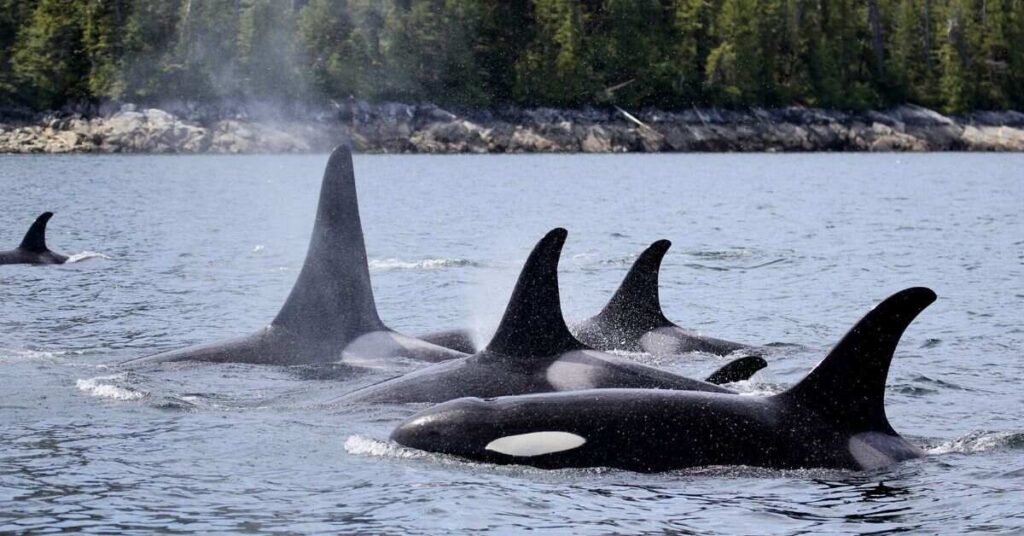
Offshore orcas live far from the coast in deep ocean waters. They are less studied because they are hard to track. These whales travel in large groups and eat mainly fish, especially sharks and rays. Their habits and diet make them very different from resident and transient orcas.
Key facts about Offshore Orcas:
- Live in deep, open waters away from shore.
- Travel in larger pods than other orcas.
- Feed mainly on fish and sometimes sharks.
- Population size is not well known, but estimated around 500 worldwide.
Read about it more : https://www.wildlifenomads.com/blog/are-killer-whales-going-extinct/
What You Can Do to Help Protect Killer Whales
Everyone can help protect killer whales. Reducing pollution is important. Avoid throwing trash into oceans and use fewer plastics. Supporting sustainable fishing helps whales have enough food. Slower boat speeds and respecting whale areas reduce stress and injuries.
Other ways to help include:
- Supporting organizations that protect marine life.
- Spreading awareness about whale conservation.
- Reducing carbon footprint to fight climate change.
- Participating in clean-up and conservation projects.
Small actions by many people make a big difference. Protecting killer whales helps keep oceans healthy for all animals.
Evolutionary History: Where Did Orcas Come From?
Orcas, or killer whales, evolved from ancient whales about 5 million years ago. They belong to the dolphin family, not true whales. Early ancestors lived in the oceans and adapted to hunting large prey. Over time, they developed strong bodies, sharp teeth, and advanced hunting skills.
Modern killer whales have different types, each suited to its environment. Resident, transient, and offshore orcas evolved to hunt different prey. Their evolution shows intelligence, social behavior, and adaptability. Studying their history helps scientists understand their needs and protect them today.
The Cultural Importance of Killer Whales
Killer whales have been important to humans for thousands of years. Many Indigenous cultures see them as symbols of strength, family, and protection. They appear in stories, art, and rituals. People respect their intelligence and social bonds.
Killer whales also inspire modern society. They teach humans about teamwork and community. Tourism and wildlife programs help people learn about them. Protecting whales preserves both nature and culture. Their presence reminds us of the ocean’s power and beauty.
Killer Whale Culture: More Than Just Instinct
Killer whales have a culture that goes beyond instinct. They learn behaviors from their family and pod members. Hunting techniques, communication sounds, and social habits are passed down through generations. Each pod has unique calls and traditions that are not seen in other pods. This shows they have memory, learning skills, and social intelligence.
Key points about killer whale culture:
- Pods teach hunting techniques to young whales.
- Unique vocal calls help pods communicate.
- Social behaviors and traditions vary by group.
- Culture affects survival and reproduction.
Understanding their culture helps humans protect them. Respecting their social structure is important for conservation efforts.
How Many Populations of Killer Whales Exist?
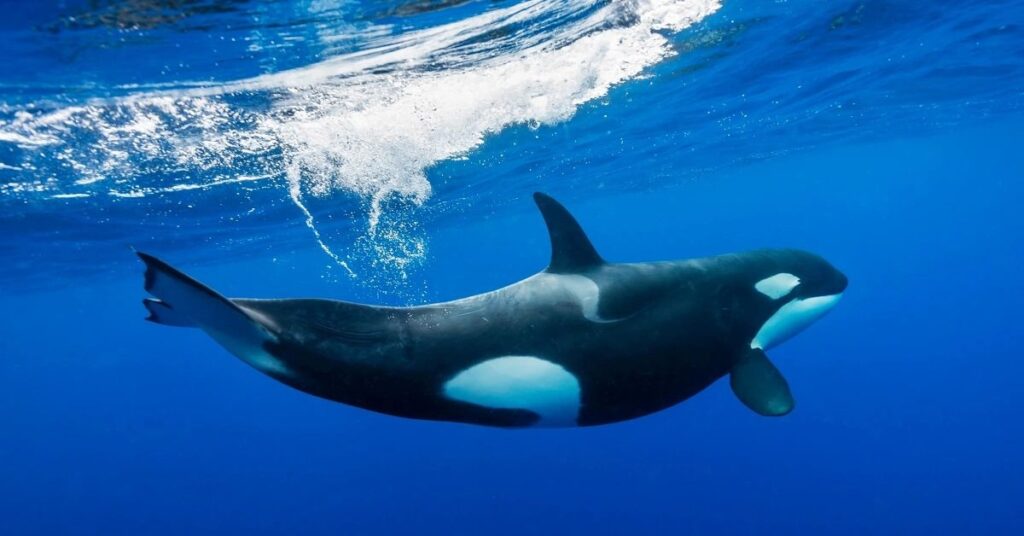
Killer whales are divided into different populations around the world. They are grouped by types: resident, transient, and offshore. Each population lives in specific regions and has its own habits. Populations differ in size, diet, and social behavior.
Key points about killer whale populations:
- Resident populations mostly eat fish and stay in one area.
- Transient populations hunt mammals and travel widely.
- Offshore populations live far from shore and eat fish and sharks.
- Some populations, like Southern Residents, are very small and endangered.
Knowing about these populations helps scientists protect them. Each population needs its own conservation efforts to survive.
The Future of Killer Whale Populations
Scientific models predict concerning trends for the most endangered killer whale populations. Without major interventions, some groups face extinction within decades rather than centuries.
The future of killer whale populations depends on the choices humans make today. These whales face many problems. Pollution harms their bodies. Noise from ships affects how they hunt. Climate change also changes their food supply. But people are trying to help. Scientists study them. Groups protect their oceans. These efforts give hope.
Killer whales can recover if we take action now. Cleaner oceans will keep them healthy. Protecting their food will help them grow. Reducing ship noise will make their lives easier. Many countries are making new rules to save marine life. With care and teamwork, killer whales can have a safer future.
What Can We Do to Protect Endangered Killer Whales?
There are many ways to help endangered killer whales. Reducing pollution keeps oceans clean. Protecting fish populations ensures whales have enough food. Slowing down boats in whale areas prevents accidents and stress.
Other actions include:
- Supporting marine conservation organizations.
- Avoiding single-use plastics and reducing waste.
- Raising awareness about whale protection.
- Taking part in clean-up or conservation projects.
Every small action counts. Together, humans can help endangered killer whales survive and thrive.
Summary Table: Killer Whale Population Status
| Population | Current Numbers | Conservation Status | Primary Threats |
| Global Estimate | ~50,000 | Data Deficient | Varies by region |
| Southern Resident | 74 (2025) | Critically Endangered | Prey scarcity, pollution, vessel noise |
| Northern Resident | ~300 | Threatened | Pollution, prey availability |
| West Coast Transient | Several hundred | Stable/Increasing | Pollution, climate change |
| Antarctic Populations | ~25,000 | Unknown/Stable | Climate change, pollution |
| North Atlantic | 15,000-34,000 | Unknown | Pollution, prey depletion |
| AT1 Transient (Alaska) | 7 | Functionally Extinct | Oil spill impacts |
FAQs
What is the most endangered orca population?
The Southern Resident killer whales in the Salish Sea are among the most endangered. Their small size and heavy threats make them vulnerable.
Do orcas face threats from climate change ?
Yes. Climate change affects fish populations and ocean conditions. These changes can shift or reduce the food that some orcas depend on.
Can I see orcas in the wild safely?
Yes. Use responsible tour operators who follow local rules. Keep distance and avoid noisy engines near whales.
Which countries lead orca conservation ?
Countries with known endangered orca groups, such as the United States and Canada, have strong recovery programs. Many NGOs and research groups also support conservation.
Where can I find reliable updates on orca numbers ?
Look to official sources such as national fisheries agencies, research centers, and peer-reviewed studies. These sources give regular population counts and trend reports.
Conclusion: Our Responsibility to Protect Killer Whales
Killer whales are amazing and intelligent animals. They face many threats like pollution, overfishing, noise, and climate change. Some populations are endangered and need our help. Protecting their homes and food is very important.
Humans have the power to make a difference. Reducing pollution, supporting conservation, and raising awareness help whales survive. Every action counts, big or small. By working together, we can ensure killer whales live safely in the oceans for generations to come.
