

Introduction
The animals of Mexico show how rich and diverse nature can be. The country has deserts, rainforests, mountains, coral reefs, and wetlands. These different habitats support many species that attract wildlife lovers from all over the world.
Mexico is home to native animals that live nowhere else. Many species are rare and need protection. Others are well known and loved across the world. Some animals are famous for their beauty, while others are known for their danger. This mix makes Mexico a special place for anyone interested in wildlife.
People who explore the animals of Mexico discover bright birds, secretive wild cats, giant sea creatures, and tiny insects with unique patterns. The wildlife of this country offers endless stories and facts. Each species plays a role in nature and keeps the balance of the ecosystem.
This guide explores native animals of Mexico, wild animals of Mexico, endemic species, dangerous animals of Mexico, and the national animals that represent the country. The goal is to help readers understand and appreciate the rich wildlife of Mexico and learn how to protect it.
What Makes the Animals of Mexico Special
The animals of Mexico are special because they live in many different environments. The country has thick jungles in the south, long coastlines on both sides, and dry deserts in the north. These places offer shelter to many wild animals of Mexico.
Mexico is considered one of the most biodiverse countries in the world. This means it has a huge number of plant and animal species. Many of them are endemic animals of Mexico, which means they live only in this country.
The wildlife here includes powerful predators like the jaguar and gentle creatures like the manatee. The country is also known for colorful birds, reptiles, amphibians, and sea animals.
Scientists often visit Mexico to study its species. The variety of wildlife makes it an important place for research and conservation. Animals like the Mexican wolf and vaquita need strong protection because they are endangered.
The animals of Mexico are also part of its culture. Many species appear in art, stories, and celebrations. They represent strength, freedom, and natural beauty. This shows how wildlife is deeply connected to the people of Mexico.
1. Jaguar
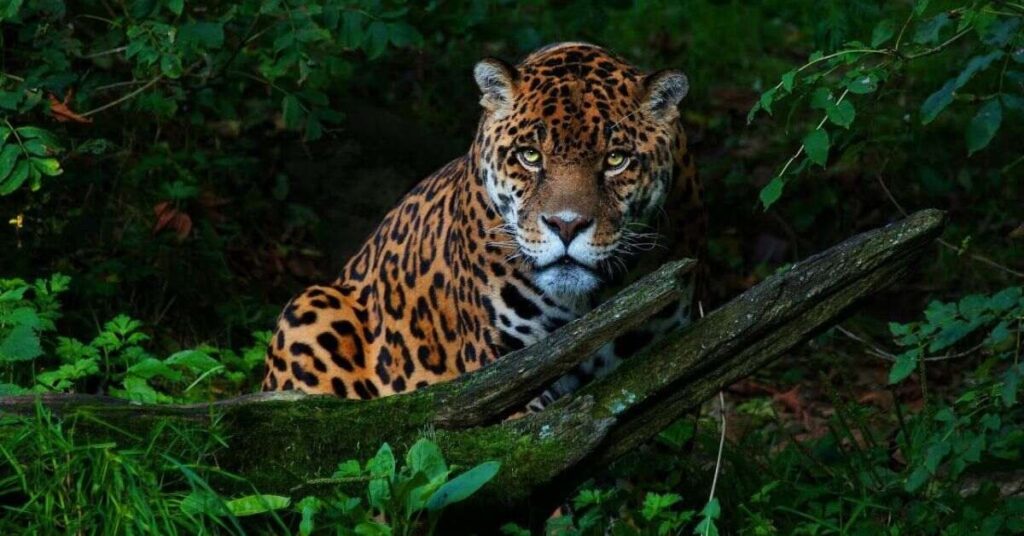
The jaguar is one of the most powerful animals of Mexico. It lives in thick forests and near rivers. Its body is strong, and its yellow coat has dark spots. The jaguar moves quietly through the jungle. It hunts at night and uses its sharp teeth to catch prey. Many people admire this animal because it looks beautiful and fierce.
The jaguar also plays an important role in nature. It helps keep other animal populations balanced. Sadly, it is now threatened because forests are disappearing. People are working to protect its habitat. Seeing a jaguar in the wild is rare, but it reminds us how amazing wildlife can be.
2. Ocelot
The ocelot is a small wild cat found in the forests of Mexico. It has a smooth coat with dark spots and stripes. Its eyes are large and bright, which helps it see well at night. The ocelot moves quietly and hunts small animals. It climbs trees with ease and hides in thick plants to stay safe. Many people admire the ocelot because it looks graceful and calm.
The ocelot is an important part of the natural world. It helps keep the forest healthy by controlling small animal populations. Sadly, many ocelots lose their homes because forests are being cut down. Some are also harmed by illegal hunting. People are trying to protect the ocelot and its habitat. When people learn about this beautiful animal, they understand why it needs care and protection.
3. Mexican Gray Wolf
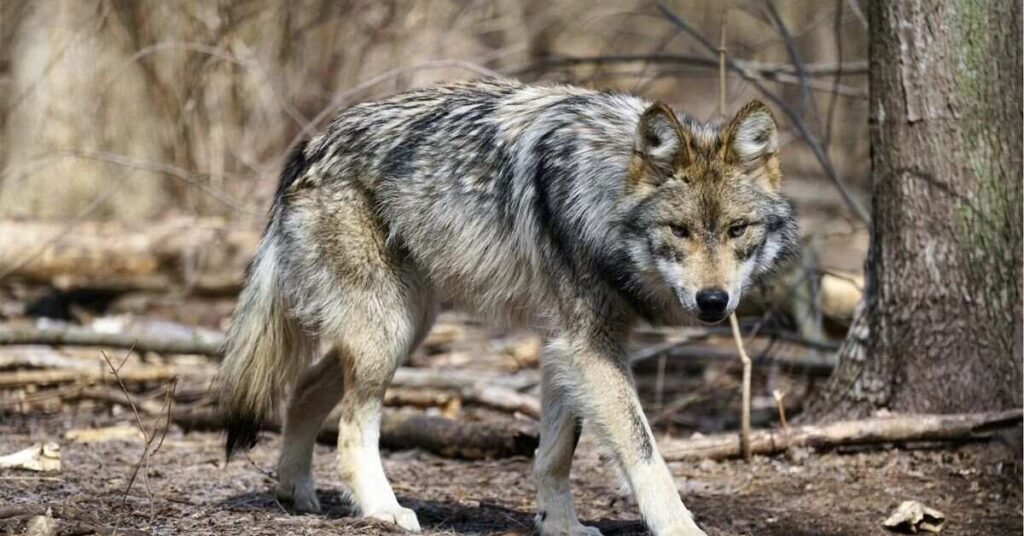
The Mexican gray wolf is a small and rare wolf. It has gray and brown fur with white patches. These wolves live in forests and mountains in northern Mexico and the southwestern United States. They are shy and mostly active at night. Mexican gray wolves hunt in packs. They eat deer, rabbits, and other small animals.
Mexican gray wolves are endangered. Human activities and hunting reduced their numbers. Conservation programs help them survive. Some wolves are released into the wild from breeding centers. They play an important role in nature. By controlling prey populations, they keep the ecosystem balanced. Protecting them is very important.
4. Coati
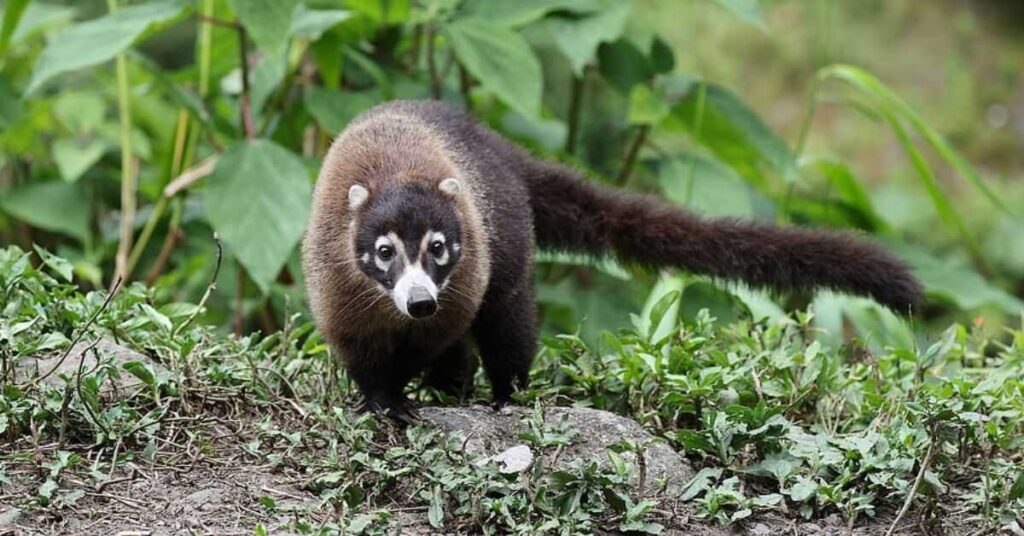
Coatis are small mammals with long noses and ringed tails. They are related to raccoons. Coatis live in forests and jungles of Mexico and Central America. They are active during the day and move in groups called bands. Coatis eat fruits, insects, and small animals. They are very curious and good climbers.
Coatis use their strong noses to search for food on the ground. They can also climb trees to escape danger. They communicate with squeaks and tail movements. Coatis are not endangered, but their habitat is shrinking. They are important for the forest because they help spread seeds. People enjoy watching them in the wild.
5. Armadillo
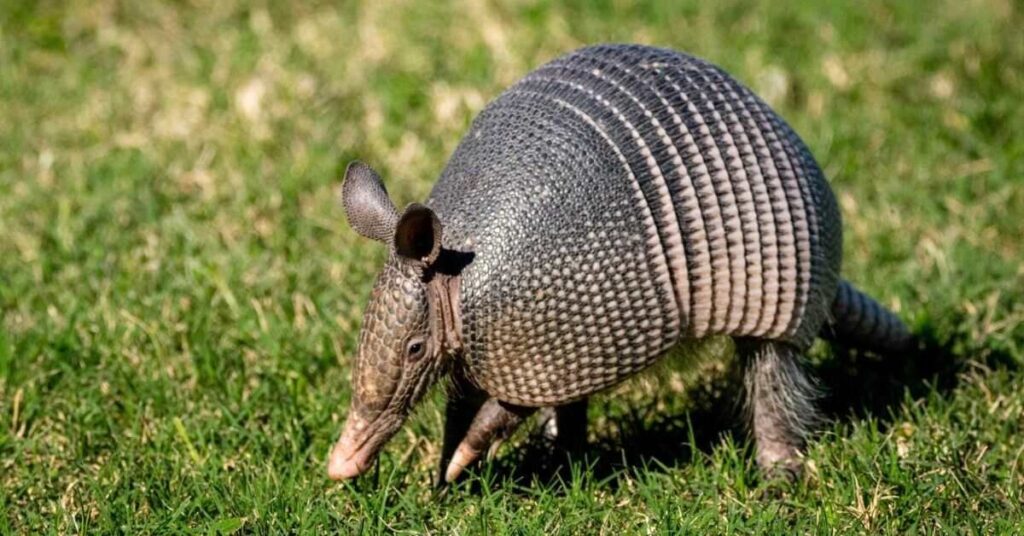
Armadillos are small mammals with hard, bony shells. Their shells protect them from predators. They live in grasslands, forests, and deserts of Mexico and the Americas. Armadillos are mostly active at night. They eat insects, plants, and small animals. They can dig burrows to live and hide in.
Armadillos have strong claws for digging and finding food. Some species can roll into a ball for protection. They are shy and move slowly on the ground. Armadillos are important for the environment because they help control insect populations. They are fascinating animals to watch in the wild.
6. Scarlet Macaw
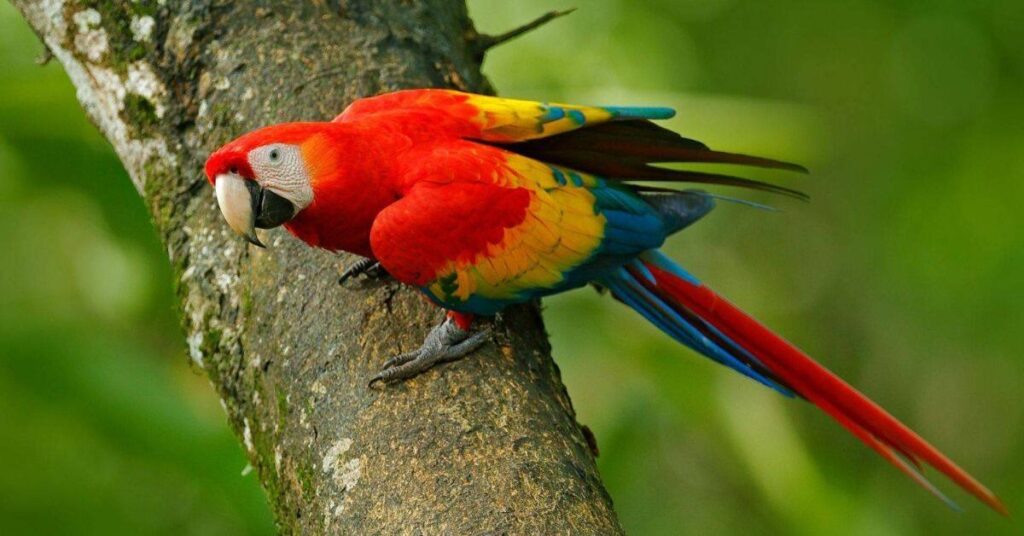
There is a large and colorful parrot called the scarlet macaw. It has bright red, yellow, and blue feathers. These birds live in the forests of Mexico, Central, and South America. Scarlet macaws are very social and often fly in pairs or small groups. They eat fruits, nuts, and seeds. Their strong beaks help them crack hard shells.
Scarlet macaws are very intelligent and can mimic sounds. They build nests in tall trees to lay eggs. Deforestation and pet trade have reduced their numbers. Conservation efforts are helping them survive in the wild. Scarlet macaws are important for forests because they spread seeds and maintain plant diversity.
7. The Golden Eagle
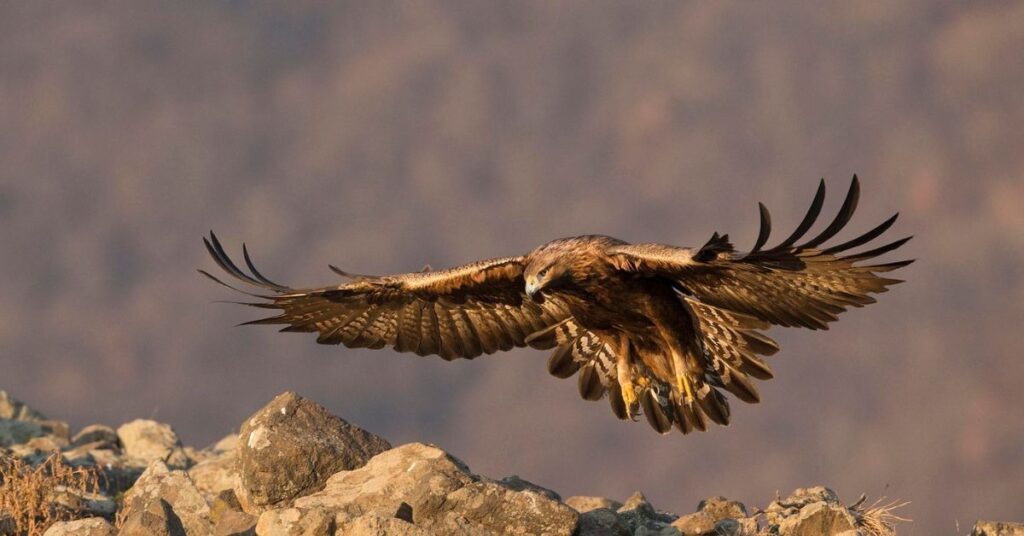
The golden eagle is one of the most famous animals of Mexico. It has large wings and sharp eyes. This bird flies high in the sky and can see its prey from far away. It hunts small mammals and birds. The golden eagle is strong and fast. Many people admire it for its beauty and power. It is also a national symbol of Mexico and appears on the flag.
The golden eagle plays an important role in nature. It helps control the population of small animals. Its presence shows a healthy ecosystem. Sadly, habitat loss and hunting threaten this bird. Conservation efforts help protect it. Seeing a golden eagle in the wild is rare, but it inspires respect and wonder for wildlife.
8. Quetzal
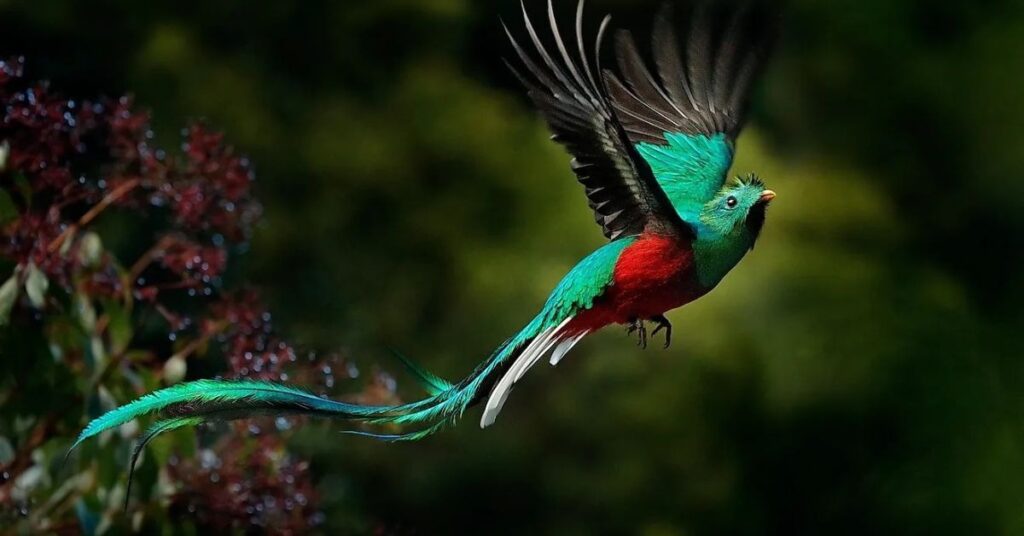
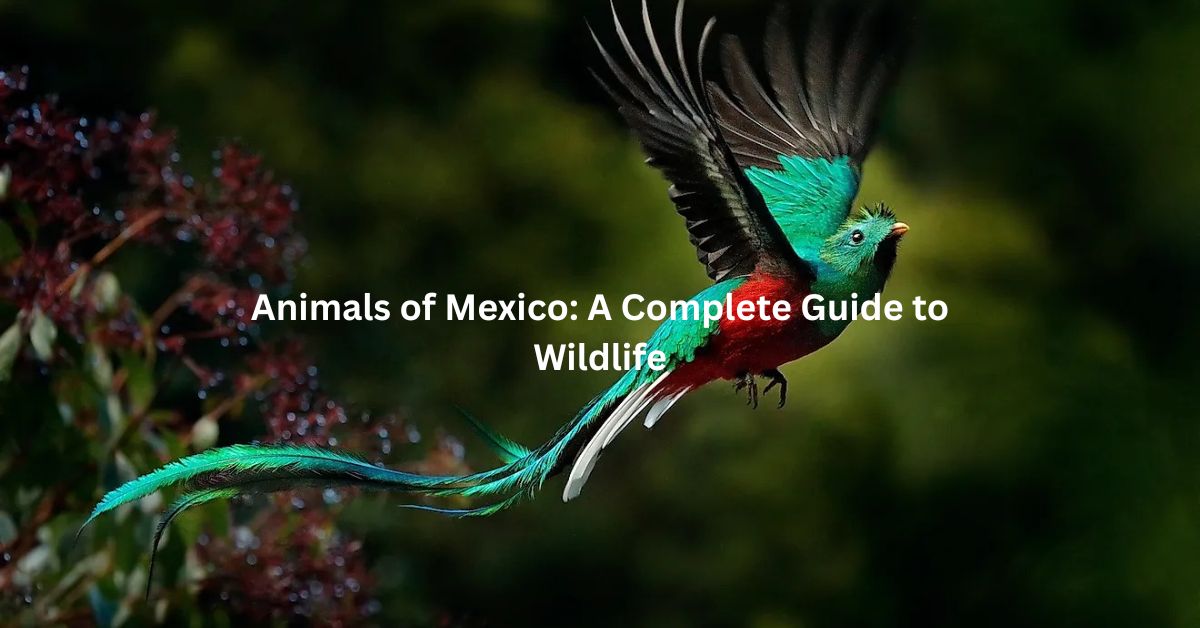
The quetzal is a bright and beautiful bird. It has green and red feathers with a long tail. Quetzals live in the cloud forests of Mexico and Central America. They are shy and usually hide in trees. Quetzals eat fruits, insects, and small animals. Their colorful feathers make them one of the most famous birds in the world.
Quetzals build nests in tree holes. They are important for forests because they help spread seeds. Habitat loss has made them rare in some areas. People protect them through wildlife reserves. Seeing a quetzal in the wild is a special experience.
9. Flamingo
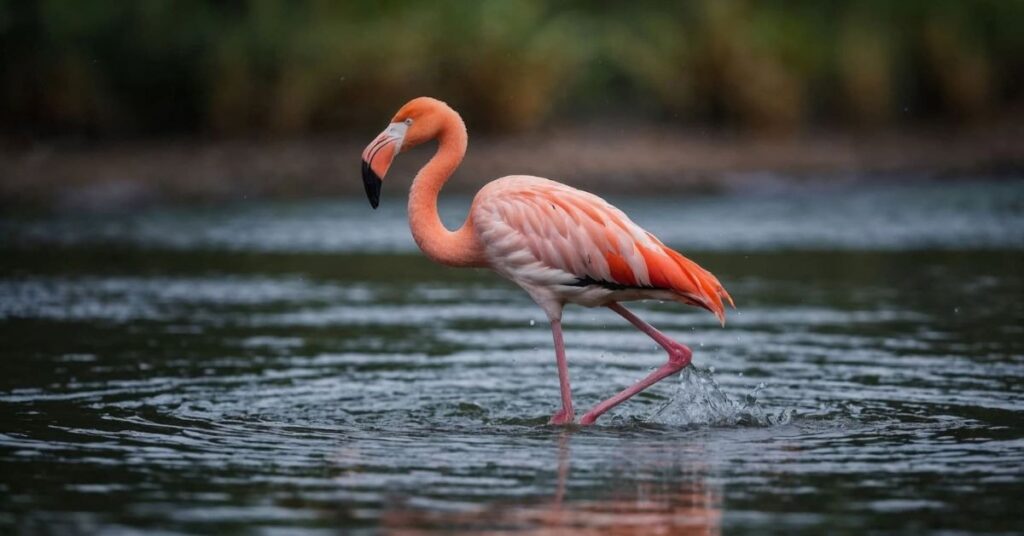
Flamingos are tall birds with pink feathers. Their long legs help them wade in shallow water. They live in lakes, lagoons, and wetlands in Mexico and other parts of the world. Flamingos eat small shrimp, algae, and tiny insects. Their curved beaks help them filter food from water.
Flamingos live in large groups called colonies. They often stand on one leg to rest. Their pink color comes from the food they eat. Flamingos are important for wetland ecosystems. Watching a flamingo colony is very beautiful and peaceful.
Read about it more: https://www.wildlifenomads.com/blog/animals-of-mexico/
10. Iguana
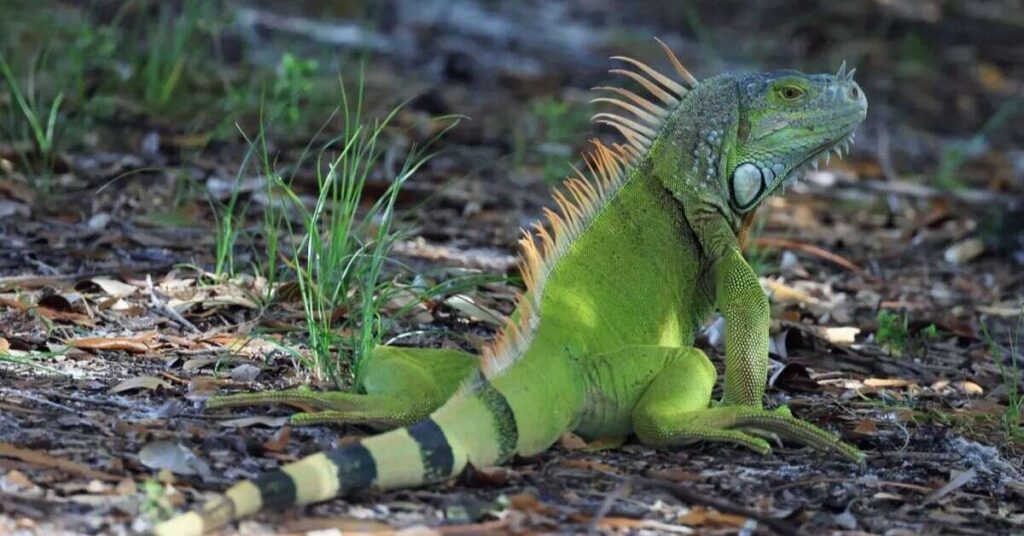
Iguanas are large lizards with scaly skin and long tails. They live in forests, deserts, and near rivers in Mexico and Central America. Iguanas are mostly green or brown. They are good climbers and spend a lot of time in trees. Iguanas eat leaves, fruits, and flowers.
Iguanas are cold-blooded, so they need the sun to stay warm. To escape predators, they can drop their tails. Iguanas are important for the forest because they help spread seeds. They are calm animals but can be defensive if threatened. Many people enjoy watching iguanas in the wild.
11. Gila Monster
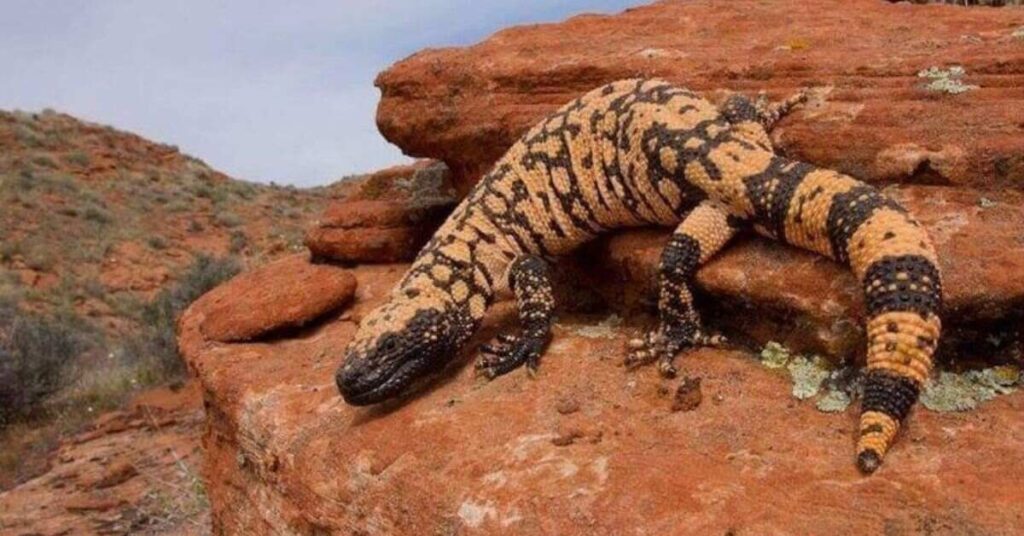
The Gila monster is a large lizard with black and orange patterns. It lives in deserts and scrublands of Mexico and the southwestern United States. Gila monsters are slow-moving and spend most of their time in burrows. They eat eggs, small animals, and insects. Their skin is rough and bumpy, which helps protect them from predators.
One of the few venomous lizards in the world is the Gila monster. They use their venom to catch prey and defend themselves. They are mostly active in the morning and evening. Gila monsters are important for the ecosystem because they help control small animal populations. They are rare and need protection to survive in the wild.
12. Mexican Beaded Lizard
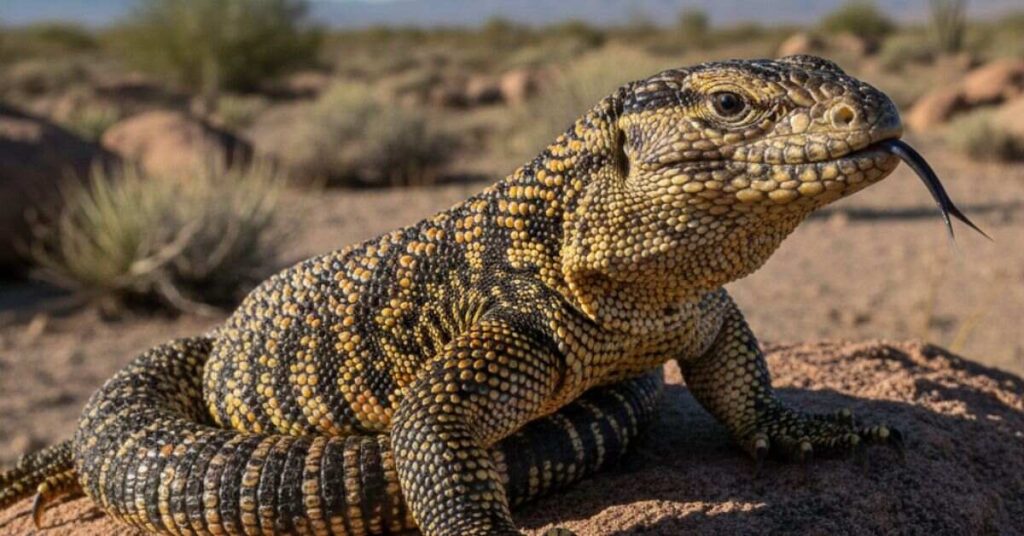
The Mexican beaded lizard is a large, dark-colored lizard. Its skin is covered with bead-like scales. It lives in deserts and forests of Mexico. This lizard is slow and mostly active at night. It eats small mammals, birds, eggs, and insects.
Mexican beaded lizards are venomous, but they are not aggressive. They use their venom to catch prey and protect themselves. They live in burrows or under rocks to stay safe. These lizards are important for nature because they control small animal populations. They are rare and need protection to survive.
13. Axolotl
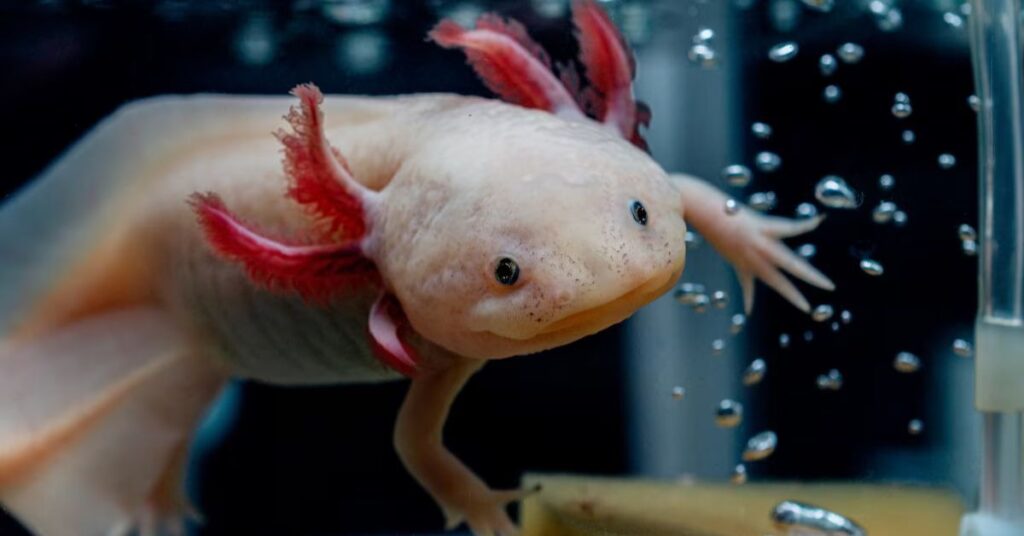
The axolotl is a unique amphibian with a wide head and feathery gills. It lives in lakes and canals of Mexico. Unlike most amphibians, axolotls stay in water their whole life. They are usually pink, white, or brown. Axolotls eat small fish, worms, and insects.
Axolotls can regrow lost body parts like legs and tails. They are very rare in the wild because of pollution and habitat loss. Scientists study them for their amazing healing abilities. Axolotls are important for nature and science. They need protection to survive in the wild.
14. Monarch Butterfly
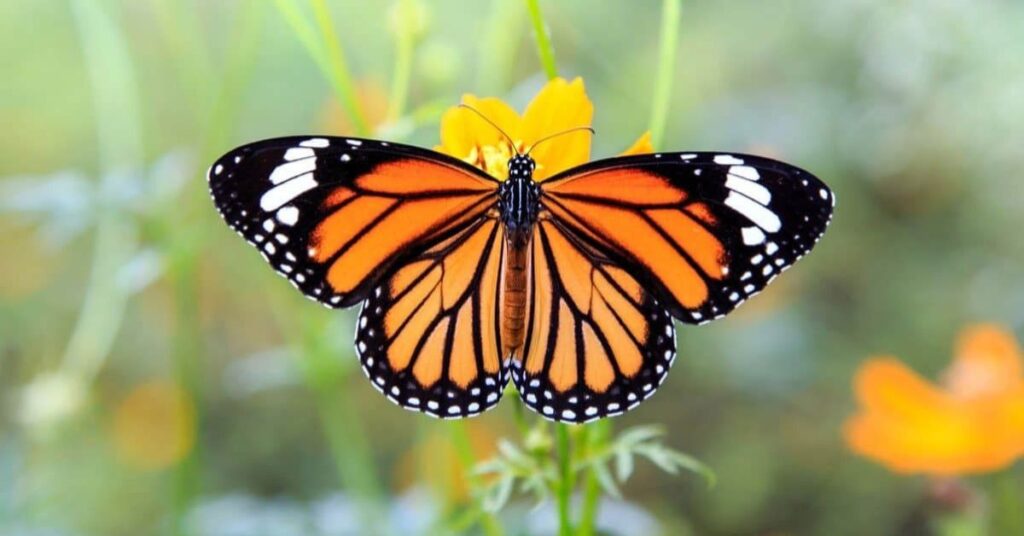
The monarch butterfly is a bright orange and black insect. It lives in forests, fields, and gardens of Mexico and North America. Monarchs eat nectar from flowers. They have delicate wings and fly long distances. Monarchs are famous for their migration every year.
Monarch butterflies help pollinate plants. They are important for flowers and the environment. Their numbers have decreased due to habitat loss and pesticides. People protect them by planting milkweed and safe habitats. Watching monarchs during migration is amazing and colorful.
15. Sea Turtles
Sea turtles are large reptiles that live in oceans around Mexico. They have hard shells and strong flippers for swimming. Green, Hawksbill, and Olive Ridley turtles are common in Mexican waters. They eat plants, jellyfish, and small sea animals. Sea turtles travel long distances to find food and lay eggs on beaches.
Sea turtles are very important for the ocean ecosystem. They help keep coral reefs and seagrass beds healthy. Human activities, like fishing and pollution, have made them endangered. Conservation programs protect their nesting sites and help hatchlings reach the sea. Seeing sea turtles in the wild is a rare and beautiful experience.
16. Harpy Eagle
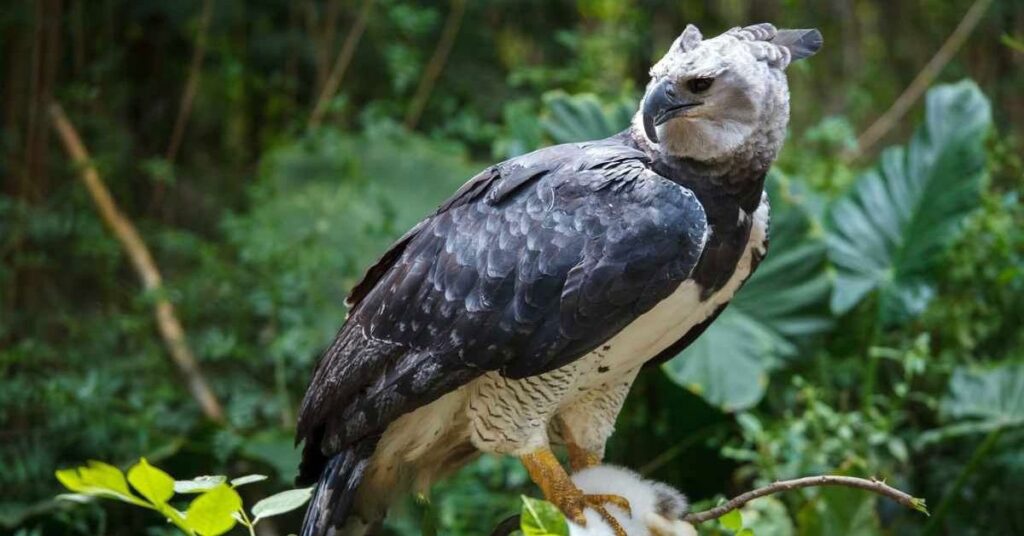
The harpy eagle is a very large and powerful bird. It has dark gray feathers on its back and white feathers on its belly. Its legs are strong, and its claws are huge. Harpy eagles live in forests of Mexico and Central America. They hunt monkeys, sloths, and other animals.
Harpy eagles are excellent hunters and fly silently through trees. They build large nests high in tall trees. Habitat loss has made them rare in the wild. Harpy eagles are important for the forest because they help keep animal populations balanced. Seeing one in the wild is a rare and exciting experience.
17. The Vaquita – Endangered Species

The vaquita is a very small and rare porpoise. It lives in the northern part of the Gulf of California, Mexico. Vaquitas have gray bodies and a dark ring around their eyes. They eat fish and small squid. These animals are shy and stay underwater most of the time.
The vaquita is the most endangered marine mammal in the world. Fewer than 20 are left in the wild. Fishing nets are the biggest threat to their survival. Conservation groups are working to protect them and their habitat. Saving the vaquita is very important for marine life and biodiversity.
18. Northern Tamandua
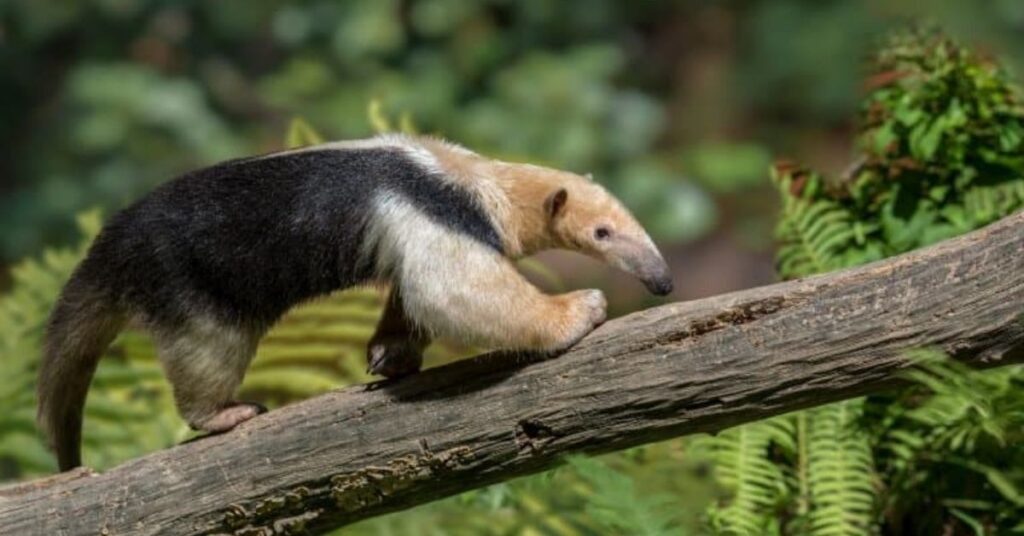
The northern tamandua is a small anteater with a long snout and prehensile tail. It lives in forests and jungles of Mexico and Central America. Northern tamanduas are mostly active at night. They eat ants, termites, and insects. Their strong claws help them climb trees and break into insect nests.
Northern tamanduas are shy and usually avoid people. They use their tails to hang from branches while feeding. These animals are important for the forest because they control insect populations. Habitat loss has made them less common in some areas. Seeing a northern tamandua in the wild is rare and special.
19. Humpback Whales: The Ocean Giants
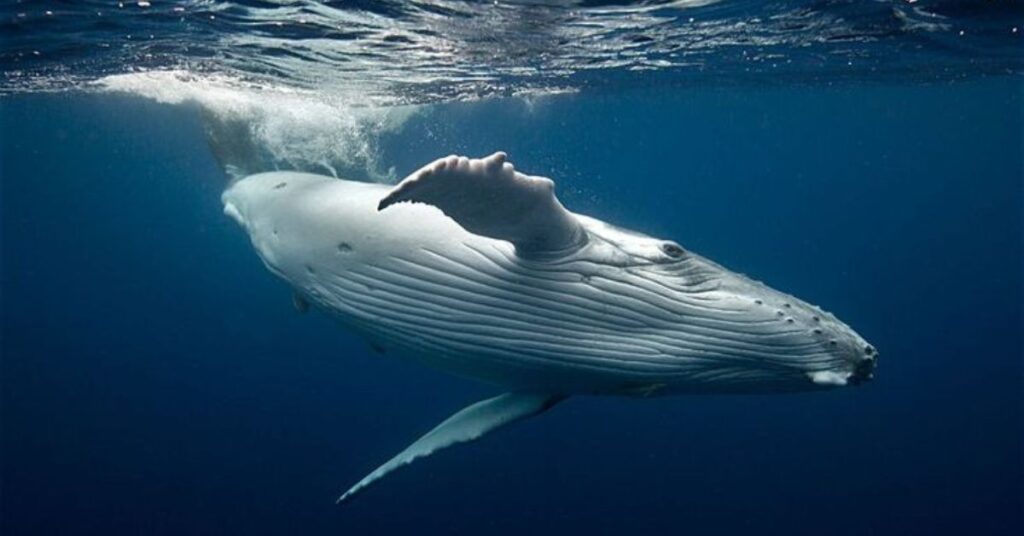
Humpback whales are large and graceful marine mammals. They live in oceans around Mexico and the world. These whales have long fins and knobby heads. Humpbacks eat small fish and krill. They use their baleen plates to filter food from the water.
Humpback whales are famous for their songs and breaching. They migrate long distances every year. Human activities and fishing threats affect their population. Conservation efforts help protect these ocean giants. Humpback whales are important for the ocean ecosystem and are a wonder to watch in the wild.
20. Military Macaw
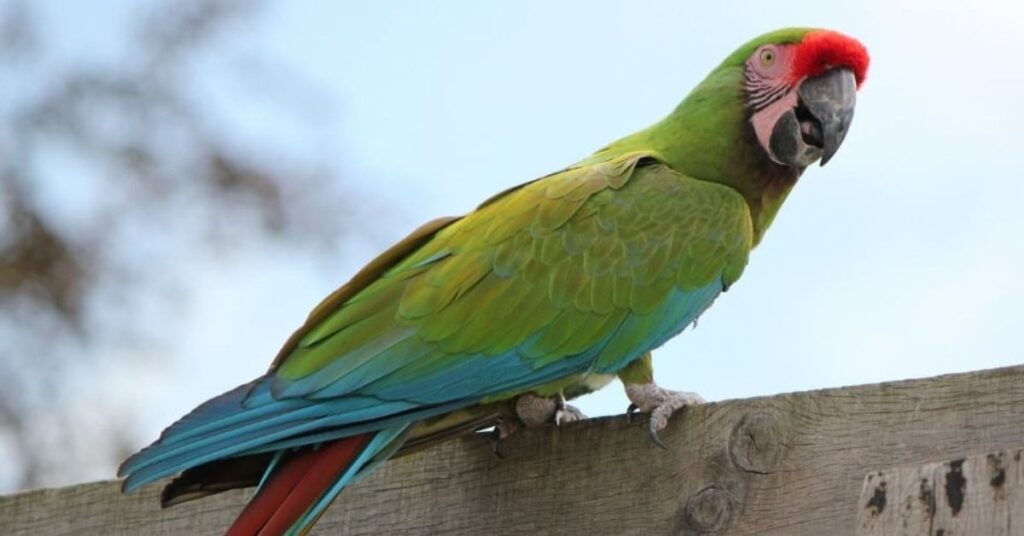
The military macaw is a large, green parrot with red and blue feathers. It lives in forests and mountains of Mexico and Central America. These birds eat fruits, nuts, and seeds. Military macaws are very social and often fly in pairs or small groups. They have strong beaks to crack hard shells.
Military macaws are intelligent and can mimic sounds. They build nests in tall trees or cliffs. Habitat loss and the pet trade have reduced their numbers. Conservation programs help protect them in the wild. Military macaws are important for forests because they spread seeds and support plant growth.
Wild Animals of Mexico in Different Habitats
The wild animals of Mexico live in many different ecosystems. Each habitat supports species adapted to survive in harsh or unique conditions.
In the deserts of northern Mexico, animals like the coyote, jackrabbit, and desert tortoise stay active during cooler times of the day. These creatures survive with little water and high heat.
In the rainforests of southern Mexico, the wildlife is full of life. Spider monkeys swing through trees. Brilliant birds like parrots and toucans brighten the jungle with their colors. Frogs, snakes, and insects fill the forest floor.
Mexico’s coastlines also support a large number of sea animals. Whales travel through the Pacific Ocean. Sea turtles reach sandy beaches to lay eggs. Coral reefs near the Yucatan Peninsula offer homes to hundreds of fish species.
Wild animals of Mexico show how rich and diverse the environment is. The combination of land and sea habitats supports some of the most interesting wildlife found anywhere.
Dangerous Animals of Mexico
Mexico is home to some dangerous animals. These creatures are important to the ecosystem but must be respected. People can stay safe by keeping distance and following local advice.
One of the most dangerous animals of Mexico is the fer de lance snake. Its bite is strong and must be treated fast. This snake lives in forests and wet areas.
The black widow spider is also found in Mexico. It has a powerful venom. It usually hides in dark and quiet places.
In the ocean, the bull shark is considered dangerous. This shark swims near the coast and rivers. It is strong and fast.
The Gila monster, a venomous lizard, is slow but should not be touched. It lives in dry areas of Mexico.
Conservation Efforts for the Animals of Mexico
The animals of Mexico need help because many species are under threat. Deforestation, pollution, climate change, and illegal hunting cause problems for wildlife.
Conservation groups work to protect habitats and support endangered species. Programs help animals like the jaguar, monarch butterfly, axolotl, and vaquita survive.
Protected areas and national parks are important. These places give animals safe spaces to live and grow. They also help scientists study species and find new ways to support them.
People can help by learning about wildlife, supporting conservation groups, and avoiding products that harm nature. Simple actions can protect the animals of Mexico for future generations.
Practical Tips for Watching Wildlife in Mexico
Visitors can see many animals of Mexico in safe and respectful ways. It is best to travel with guides who know the area well. They help visitors find animals without disturbing them.
Staying on marked paths protects plants and animals. Feeding wildlife should be avoided because it changes their natural behavior. Using quiet voices and slow movements keeps animals calm.
Taking photos from a distance is safe for both people and animals. Visitors should avoid touching any wildlife. This protects both the animal and the person.
Responsible travel helps keep wild animals of Mexico safe and healthy.
Conclusion
The animals of Mexico show how incredible nature can be. The country has native animals, wild species, and many endemic creatures that make it unique. Some species are famous worldwide, while others are dangerous and must be respected.
Mexico’s wildlife is rich and full of beauty. It needs protection so future generations can enjoy it. By learning about these animals and supporting conservation, people can play a role in protecting nature.
The animals of Mexico remind us how important it is to care for the environment. Their stories inspire interest and respect for wildlife everywhere.
FAQs
What are the most famous animals of Mexico?
Some of the most famous animals of Mexico are the jaguar, monarch butterfly, axolotl, and sea turtles.
Which animals are the national animals of Mexico?
The golden eagle and the xoloitzcuintli are considered national animals of Mexico.
Are there dangerous animals in Mexico?
Yes, dangerous animals of Mexico include the fer de lance snake, black widow spider, bull shark, and some scorpion species.
What endemic animals of Mexico are endangered?
Endemic species like the axolotl, vaquita, and volcano rabbit are critically endangered.
Where can I see wild animals of Mexico?
You can see wild animals of Mexico in jungles, deserts, mountains, and along the coast in protected areas and national parks.
