

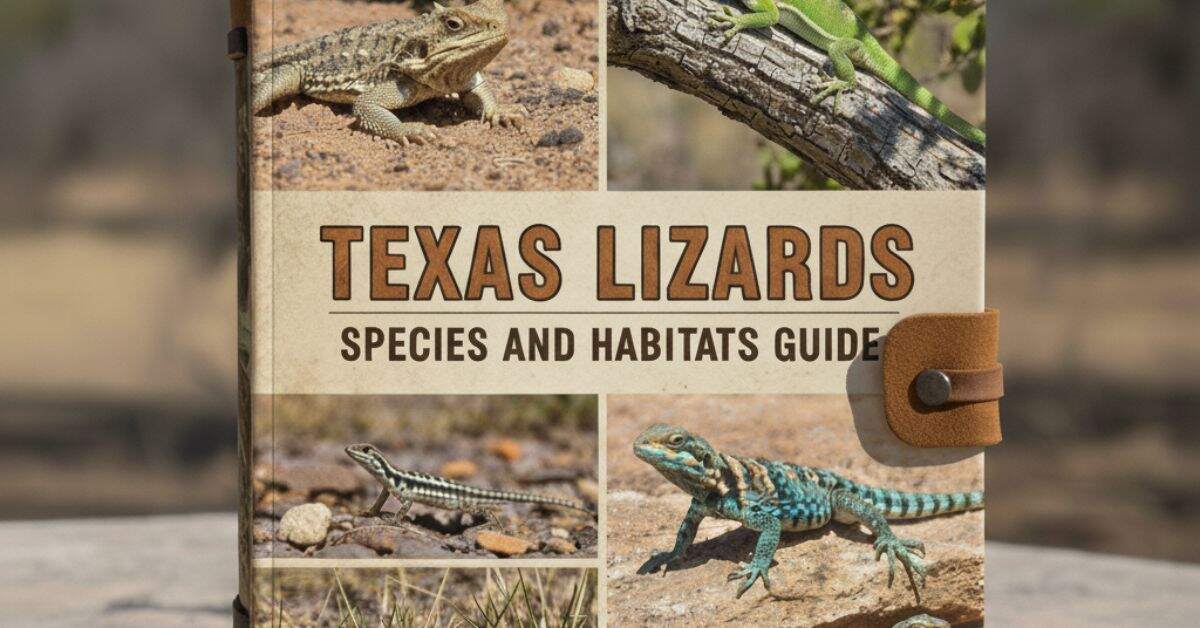
Introduction
Texas is home to a rich variety of reptiles, and among them, Texas lizards stand out for their diversity and adaptability. From the deserts of West Texas to the forests of East Texas, these creatures have evolved to thrive in multiple environments. For wildlife enthusiasts, observing these lizards is not just interesting but also educational. Understanding their habits, diets, and habitats helps us appreciate the vital role they play in Texas ecosystems.
Texas lizards come in many shapes and sizes, each with unique characteristics. Some are common and easily spotted, while others are rare and need careful observation to encounter. Their behavior can range from shy and elusive to active and social. This guide will explore the most notable Texas lizard species, their environments, and tips for spotting them safely.
Texas lizards come in many shapes and sizes, each with unique characteristics. Some are common and easily spotted, while others are rare and need careful observation to encounter. Their behavior can range from shy and elusive to active and social. This guide will explore the most notable Texas lizard species, their environments, and tips for spotting them safely.
Common Lizards in Texas
Many lizards are commonly seen across the state. The Texas spiny lizard is one of the most widespread species. They are often found on trees, fences, and rocks. Their rough scales and alert behavior make them fascinating to observe. These lizards are mainly insectivores, feeding on crickets, beetles, and other small invertebrates.
Another frequent sight is the Texas whiptail lizard. Known for their long tails and swift movements, these lizards prefer open areas with plenty of sun. They are mostly active during the day and are often spotted running across sandy or rocky terrain. Both these species are essential for controlling insect populations, demonstrating their ecological importance.
Top 10 Most Notable Lizards Species in Texas
1.Texas Horned Lizard (Phrynosoma cornutum)
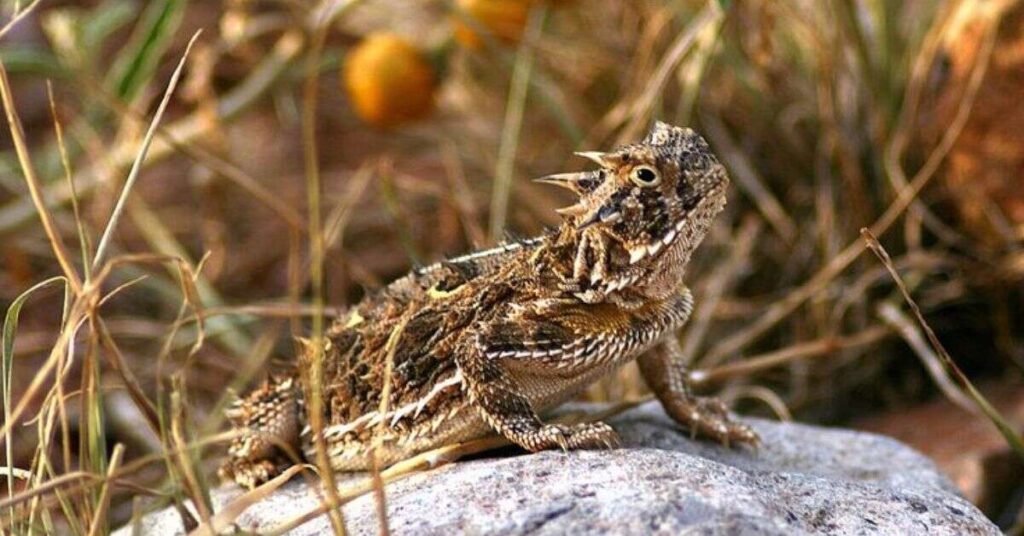
The Texas horned lizard is one of the most iconic species in the state. Easily recognized by its spiky body and flattened shape, it has adapted well to arid environments. These lizards mainly eat ants and have a unique ability to squirt blood from their eyes to deter predators, a fascinating defensive mechanism.
Horned lizards prefer sandy areas with sparse vegetation. They rely on camouflage to hide from predators, blending seamlessly with the desert floor. Conservation efforts are crucial, as their populations have declined due to habitat loss and invasive fire ants, which compete for food and prey on young lizards.
2.Texas Spiny Lizard (Sceloporus olivaceus)
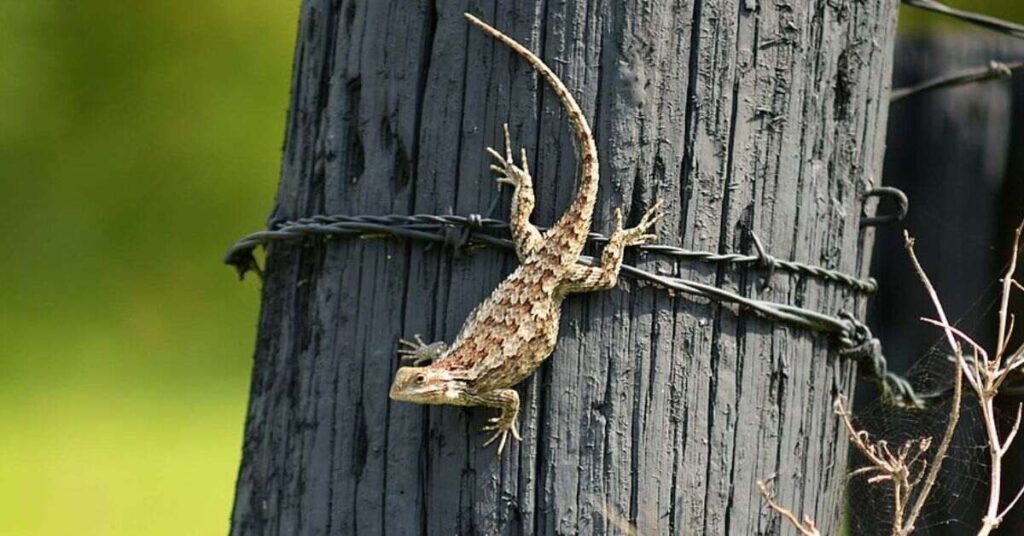
The Texas spiny lizard is a fast and active reptile found in central and southern Texas. It usually lives in trees, fences, and wooden structures. This lizard has rough, spiny scales and a gray or brown body with dark markings. It blends well with its surroundings, making it hard to spot. You can often see it basking in the sun during warm days.
Texas spiny lizards eat insects like beetles, spiders, and grasshoppers. They are harmless to humans and help control pests. When threatened, they run quickly and climb trees for safety. These lizards prefer warm weather and are most active in spring and summer. They are common in backyards, parks, and forests across Texas.
3.Green Anole (Anolis carolinensis)
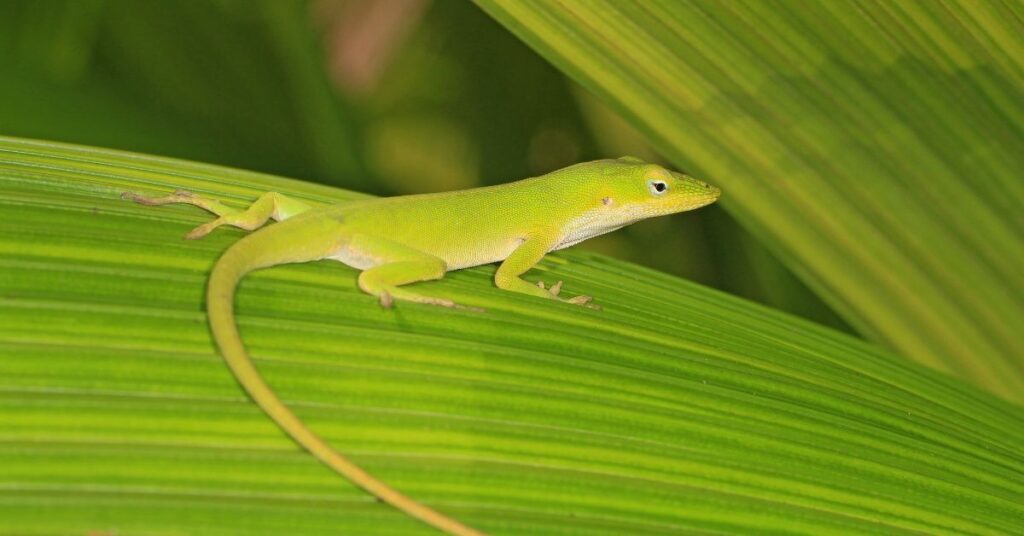
The green anole is a small and colorful lizard found in many parts of Texas. It can change its color from bright green to brown depending on mood, temperature, or surroundings. This lizard has a slim body, long tail, and sticky toes that help it climb walls, trees, and fences. You can often see it sunbathing or hunting for insects in gardens and parks.
Green anoles eat small insects like flies, ants, and crickets. They are harmless and calm creatures. Male anoles show a pink throat fan, called a dewlap, when they defend their territory or attract a mate. These lizards prefer warm places and stay active during the day. They are common around homes and are easy to observe in nature.
4.Mediterranean Gecko (Hemidactylus turcicus)
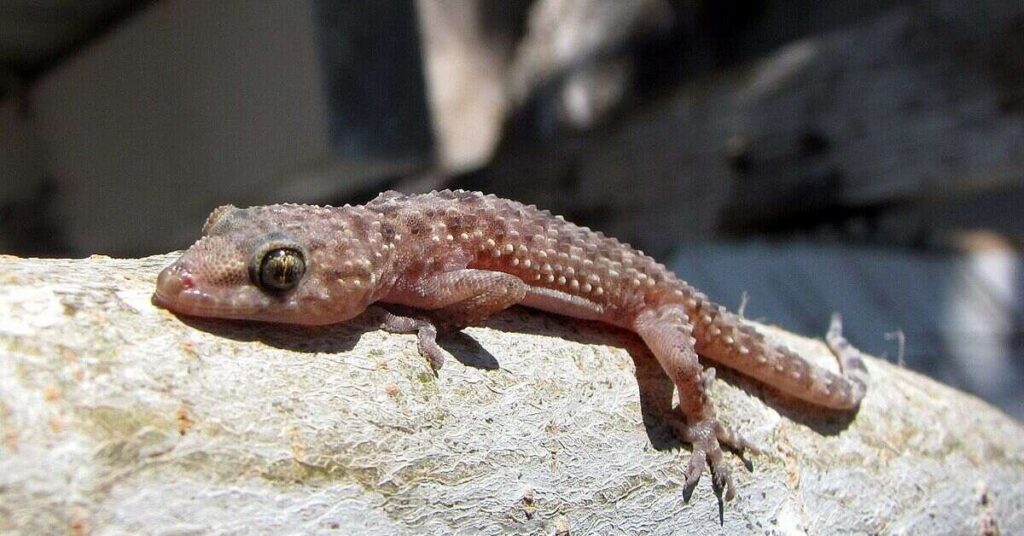
The Mediterranean gecko is a small, night-active lizard commonly found around homes in Texas. It has soft, pale skin with tiny bumps and large eyes that help it see in the dark. This gecko often hides in cracks, walls, and ceilings during the day. At night, it comes out to hunt insects attracted to lights.
Mediterranean geckos eat moths, mosquitoes, and other small bugs. They are harmless and helpful because they reduce pests around houses. These geckos can climb smooth surfaces using their sticky toe pads. They make soft chirping sounds, especially during warm nights. They are common in cities, towns, and suburban areas across Texas.
Read about it more: https://www.wildlifenomads.com/blog/10-lizards-of-texas/
5.Six-lined Racerunner (Aspidoscelis sexlineata)
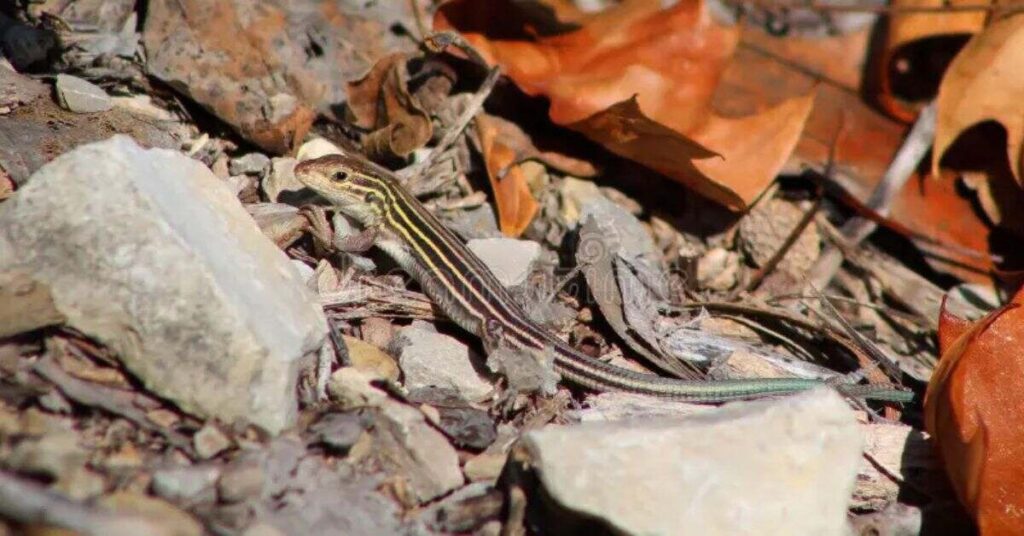
The six-lined racerunner is a fast and active lizard found in many parts of Texas. It has a slender body with six bright yellow or greenish lines running down its back. This lizard lives in open fields, sandy areas, and grassy habitats. It spends most of its time on the ground and rarely climbs.
Six-lined racerunners eat insects like ants, beetles, and spiders. They are extremely quick and can disappear in seconds when scared. These lizards are most active during the day, especially in warm weather. They help control insect populations and are an important part of the local ecosystem.
6.Ground Skink (Scincella lateralis)
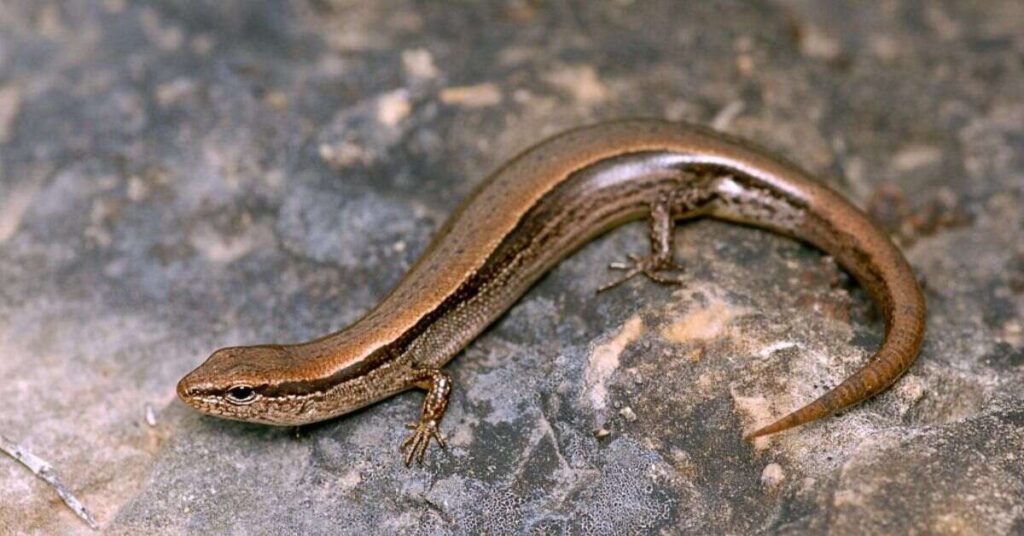
The ground skink is a small and smooth lizard found in many parts of Texas. It has a shiny brown body and a long tail that helps it move quickly through leaves and soil. This lizard stays close to the ground and hides under logs, rocks, and leaf piles. It likes quiet and shaded places where it feels safe.
Ground skinks eat tiny insects such as ants, termites, and small beetles. They move fast and often slip away before you can spot them clearly. These lizards are active during the day and help keep insect numbers low in their habitats. They are gentle, harmless, and an important part of the natural environment.
7.Texas Alligator Lizard (Gerrhonotus infernalis)
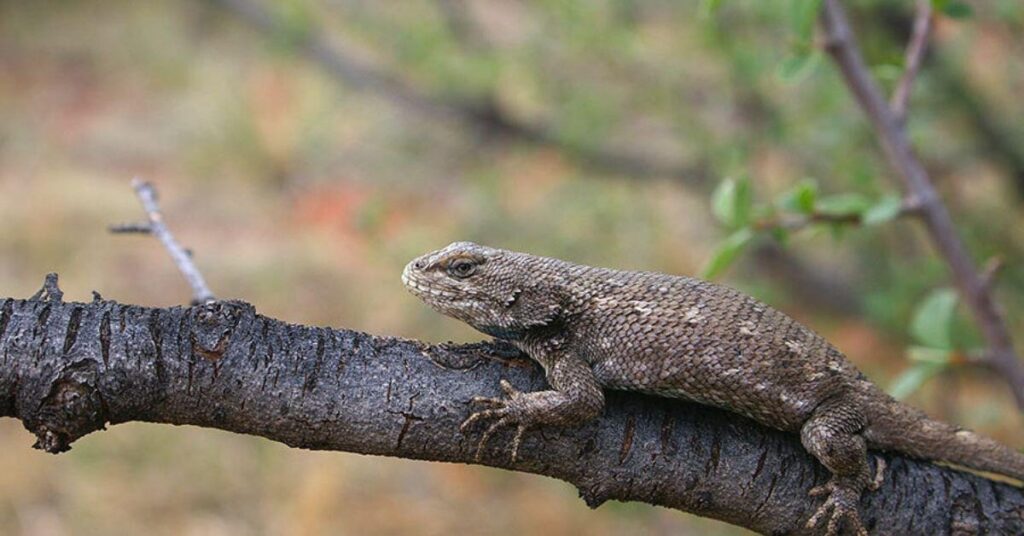
The Texas alligator lizard is one of the largest lizards found in Texas. It has a long body covered in rough scales that look like tiny plates. This gives it a strong and rugged appearance. The lizard often lives in rocky hills, wooded areas, and places with plenty of hiding spots. It prefers quiet spaces where it can stay safe from predators.
Texas alligator lizards eat insects, spiders, and small animals like young rodents or other small lizards. They move slowly but can react quickly when they feel threatened. These lizards are calm creatures and usually avoid people. They play an important role in nature by controlling small animal and insect populations.
8.Ornate Tree Lizard (Urosaurus ornatus)
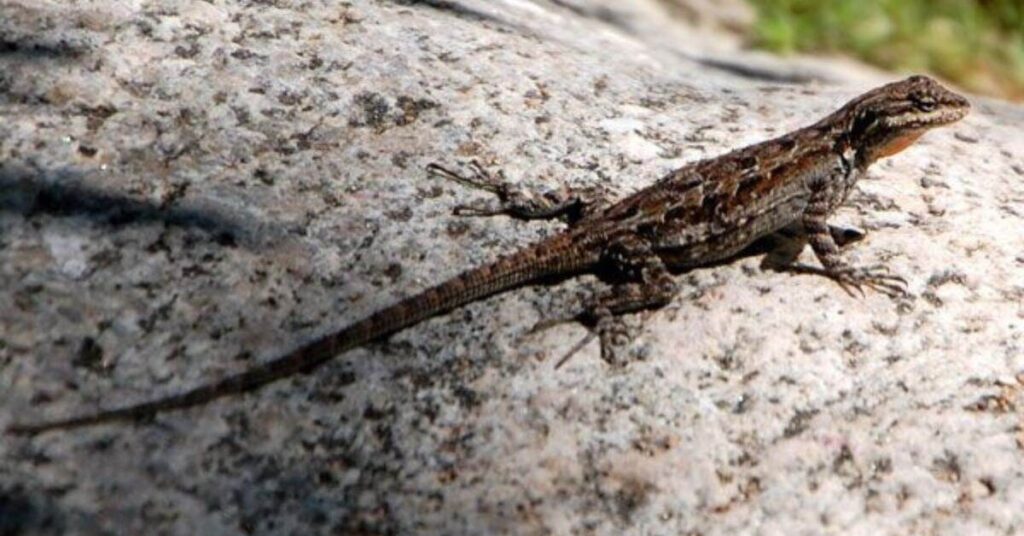
The ornate tree lizard is a small and colorful lizard found in parts of Texas. It has a slim body with patterns that help it blend into tree bark. This lizard spends most of its time on trees, fences, and walls. It enjoys warm and sunny spots where it can rest and watch for insects.
Ornate tree lizards eat small insects like ants, flies, and beetles. They move quickly and can climb with ease. These lizards are active during the day and often seen basking in the sun. They are harmless and play an important role in keeping insect numbers under control.
9.Prairie Lizard (Sceloporus consobrinus)
The prairie lizard is a common lizard found across many open areas in Texas. It has a rough, scaly body that helps it blend into dry grass and soil. This lizard lives in prairies, fields, and woodland edges. It spends a lot of time on the ground but can also climb trees and rocks when needed.
Prairie lizards eat insects like crickets, beetles, and grasshoppers. They are quick and alert, often darting away at the slightest movement. These lizards enjoy warm sunlight and can often be seen basking during the day. They play a helpful role in nature by keeping insect populations under control and supporting the balance of their habitats.
10.Texas Collared Lizard
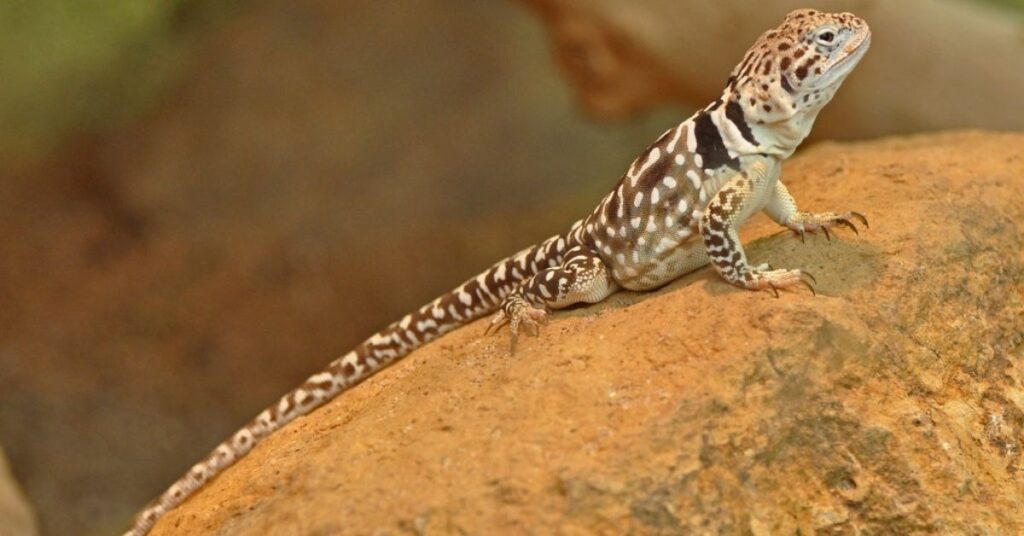
The Texas collared lizard is famous for its striking appearance and energetic behavior. These lizards are often seen basking on rocks during the day. They have bright markings around their necks, resembling a collar, which gives them their name. Collared lizards are excellent hunters and feed on insects and smaller lizards, demonstrating remarkable agility and speed.
Collared lizards thrive in rocky areas and open woodlands. They are territorial and can often be observed defending their space from intruders. Their bright colors and bold behavior make them a favorite among wildlife photographers and enthusiasts.
Rare Lizards in Texas
Some rare lizards in Texas are difficult to spot due to their limited distribution or declining numbers. The Gulf Coast lizard and Texas banded gecko are examples of species that require specific habitats. These lizards are often threatened by habitat destruction, urbanization, and invasive species.
Efforts to protect rare lizards include habitat preservation, research, and public awareness campaigns. Learning about these species encourages responsible outdoor behavior and helps support conservation programs aimed at maintaining biodiversity in Texas.
Behavior and Diet of Texas Lizards
Texas lizards have diverse behaviors depending on their species and habitat. Most are diurnal, meaning they are active during the day. They use their keen eyesight to spot prey and predators. Some species are territorial and display aggressive behaviors to protect their space.
Diet typically consists of insects, spiders, and other small invertebrates. Larger lizards, like the collared lizard, may also consume smaller lizards or eggs. Their feeding habits contribute to controlling insect populations and maintaining the health of their ecosystems. Observing lizard behavior can be both educational and entertaining, especially for wildlife enthusiasts.
Habitat and Adaptations
Texas lizards are found in a wide range of habitats, from deserts and grasslands to forests and urban areas. Adaptations such as coloration, body shape, and behavior help them survive. Desert lizards often have sand-colored bodies to blend into their surroundings, while forest species may have darker or mottled patterns.
Lizards have also adapted to temperature extremes. Many species bask in the sun to regulate body temperature and retreat to shaded areas or burrows to avoid overheating. These adaptations ensure their survival across diverse environments in Texas.
Conservation of Texas Lizards
Conservation of Texas lizards is essential to maintain ecological balance. Habitat loss, urban development, and invasive species threaten many lizard populations. Programs that focus on habitat restoration, protection, and research help preserve these reptiles for future generations.
Public education is also important. By understanding the role of lizards in ecosystems and observing them responsibly, people can contribute to their protection. Simple actions like planting native vegetation and avoiding the use of pesticides can support lizard habitats.
Table: Common Texas Lizards and Key Features
| Species | Habitat | Diet | Notable Feature |
| Texas Spiny Lizard | Trees, fences, rocks | Insects | Rough scales, alert behavior |
| Texas Whiptail Lizard | Open areas, sandy terrain | Insects | Long tail, fast runner |
| Texas Horned Lizard | Sandy areas, deserts | Ants | Spiky body, blood-squirting defense |
| Texas Collared Lizard | Rocks, open woodlands | Insects, small lizards | Bright neck collar, agile hunter |
| Desert Spiny Lizard | Arid desert | Insects | Camouflaged, heat tolerant |
Tips for Observing Texas Lizards
When observing Texas lizards, patience is key. Early morning or late afternoon is the best time, as lizards are more active during cooler parts of the day. Using binoculars or a camera with zoom allows observation without disturbing them. Avoid handling wild lizards, as this can stress them and disrupt their natural behavior.
Creating a lizard-friendly environment in your garden can also attract these reptiles. Providing rocks, logs, and native plants offers shelter and hunting opportunities. Avoid chemicals that can harm insects, as they are a primary food source for lizards.
Conclusion
Texas lizards are a diverse and fascinating group of reptiles. From common species like the spiny and whiptail lizards to rare ones like the Gulf Coast lizard, they play a crucial role in maintaining ecological balance. Understanding their habitats, diets, and behaviors helps wildlife enthusiasts appreciate these creatures and promotes their conservation.
Observing lizards in their natural environment can be an exciting and educational experience. By protecting habitats, supporting conservation programs, and encouraging responsible observation, we can ensure that Texas lizards continue to thrive for generations to come.
FAQs
What are the most common Texas lizards?
The Texas spiny lizard and Texas whiptail lizard are among the most common and widespread species.
Are Texas horned lizards endangered?
While not officially endangered, their populations have declined due to habitat loss and invasive species.
Can lizards live in urban areas in Texas?
Yes, many lizards adapt to gardens, parks, and other urban green spaces, as long as shelter and food are available.
What do Texas collared lizards eat?
Collared lizards primarily eat insects but may also consume smaller lizards and eggs.
How can I help conserve Texas lizards?
Supporting habitat preservation, planting native vegetation, avoiding pesticides, and observing lizards responsibly contribute to conservation efforts.
