
Introduction
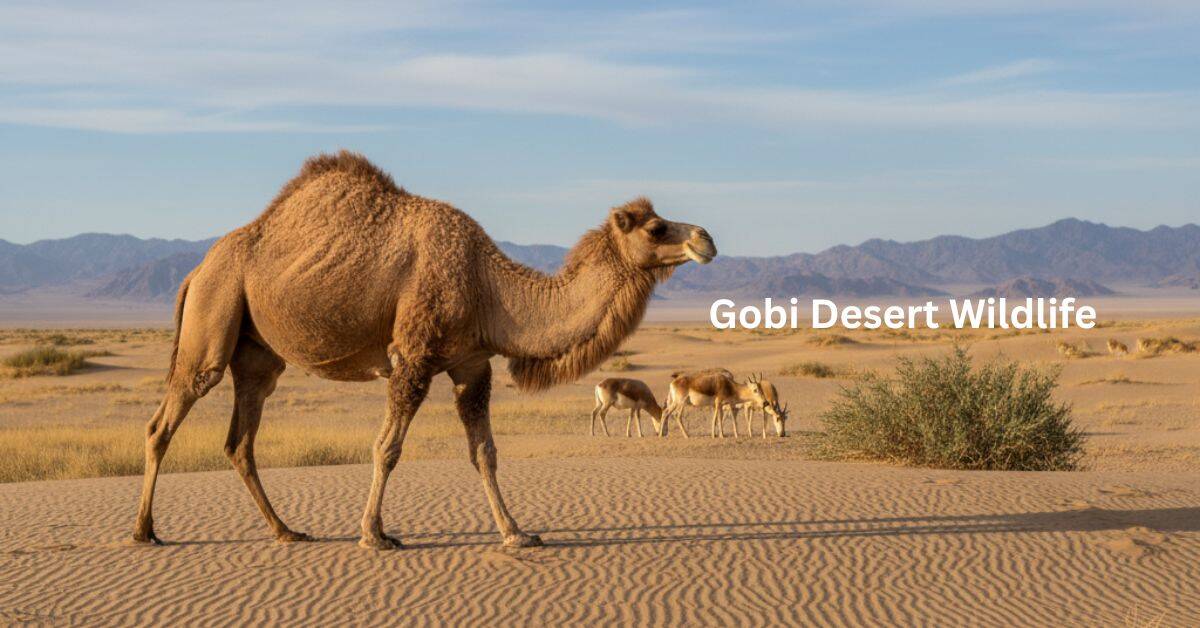
The Gobi Desert might look barren at first glance, but it’s bursting with life. Stretching across Mongolia and northern China, this vast desert is home to some of the most resilient creatures on Earth. These animals have adapted to extreme conditions scorching summers, freezing winters, and limited water sources. Despite such harshness, the Gobi Desert wildlife continues to thrive, revealing nature’s incredible ability to adapt.
In this article, we’ll explore the remarkable animals that inhabit the Gobi, from ancient camels to rare bears. We’ll also uncover ten fascinating facts about these species and learn how conservationists are working to protect them.
The Harsh Yet Fascinating Environment of the Gobi Desert
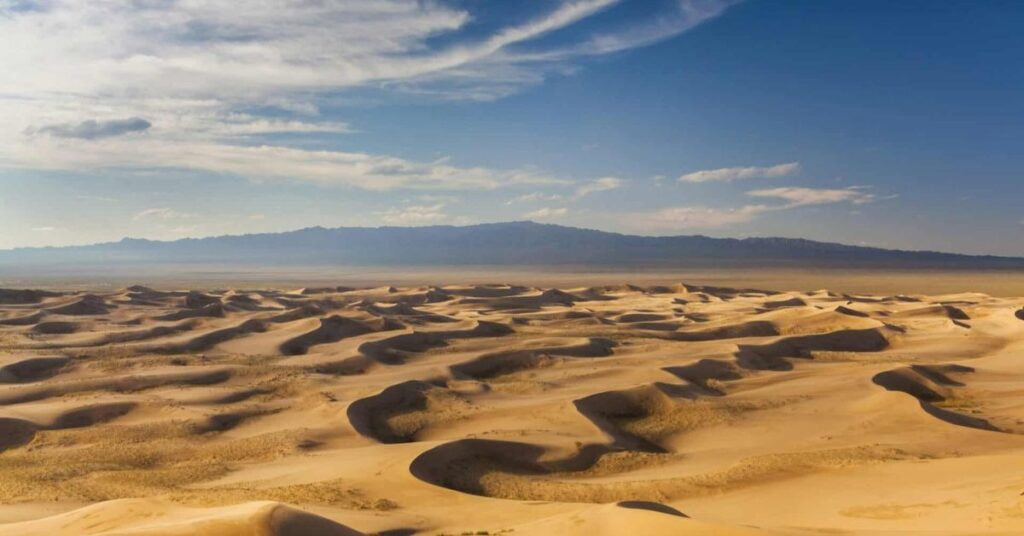
The Gobi Desert spans over 1.2 million square kilometers, making it the fifth-largest desert in the world. Unlike sandy deserts, much of the Gobi is rocky and dry grassland. Temperatures can range from -40°C in winter to over 45°C in summer.
These extremes shape the type of wildlife that can survive here. Every species whether mammal, bird, or reptile has evolved unique adaptations to endure temperature shifts, scarce food, and minimal rainfall.
Common and Iconic Gobi Desert Animals
While the Gobi may seem lifeless, it hosts a surprisingly rich variety of animals. Here are some of the most well-known inhabitants:
- Bactrian Camel (Camelus bactrianus)
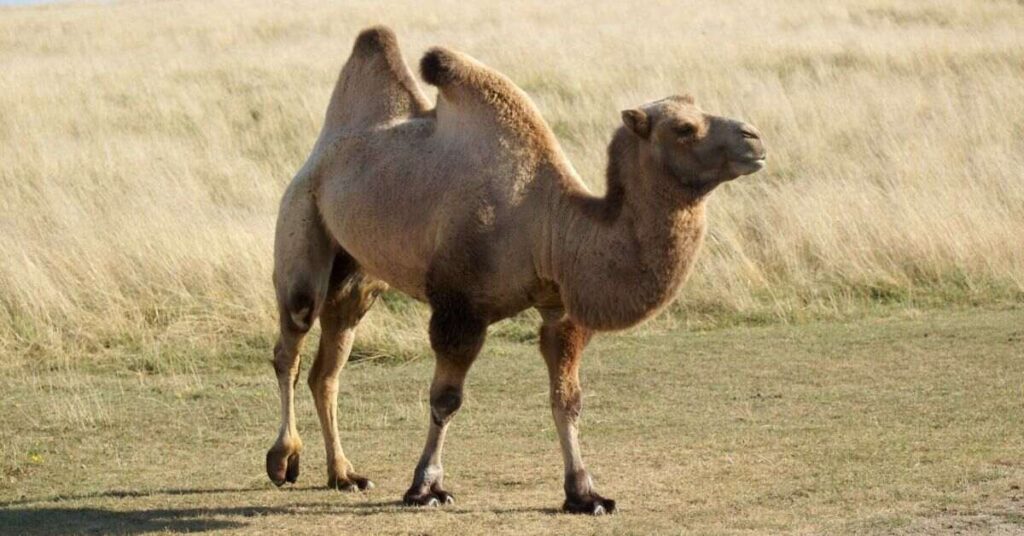
The double-humped Bactrian camel is the most iconic Gobi Desert animal. Its thick coat protects it from the cold, while it sheds in summer to survive the heat. These camels can go days without water and eat thorny desert plants that other animals avoid.
- Gobi Bear (Ursus arctos gobiensis)
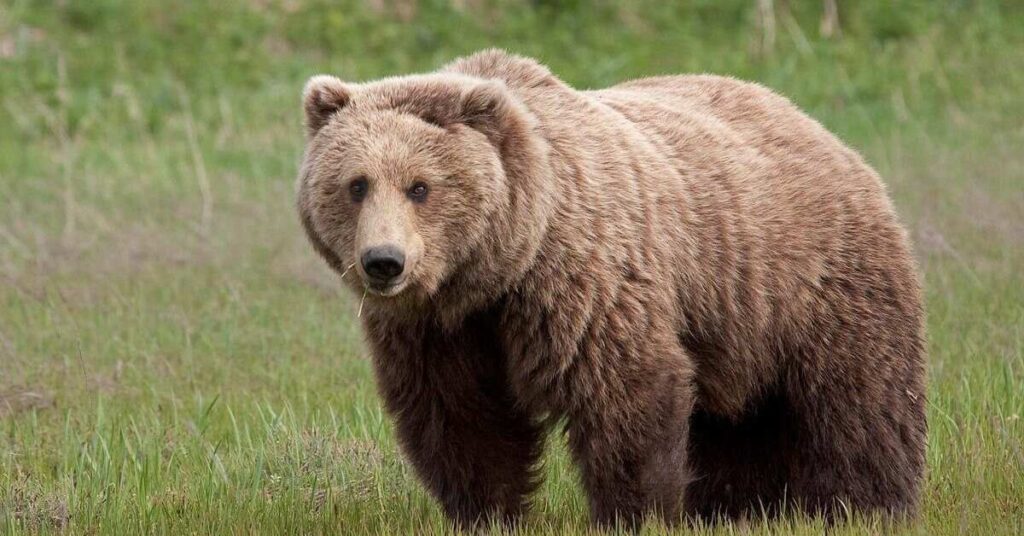
One of the rarest animals in the world, the Gobi bear or Mazaalai is a critically endangered subspecies of the brown bear. Fewer than 40 are believed to exist, making it one of the rarest Gobi Desert animals. They mainly eat roots, berries, and insects.
- Mongolian Wild Ass (Khulan)
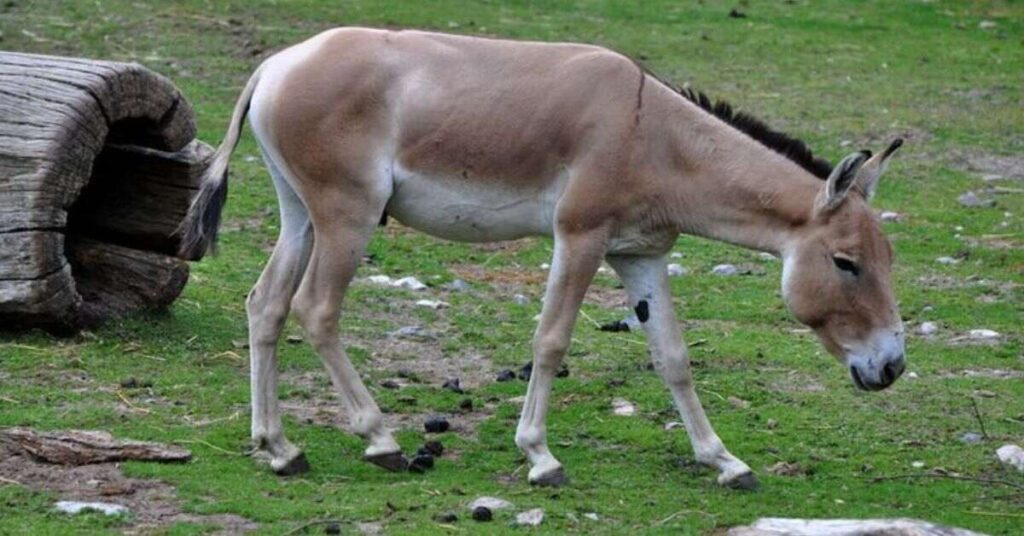
Fast and strong, the khulan can run up to 60 km/h and survive for long periods without water. It plays an important ecological role by spreading seeds and keeping vegetation balanced.
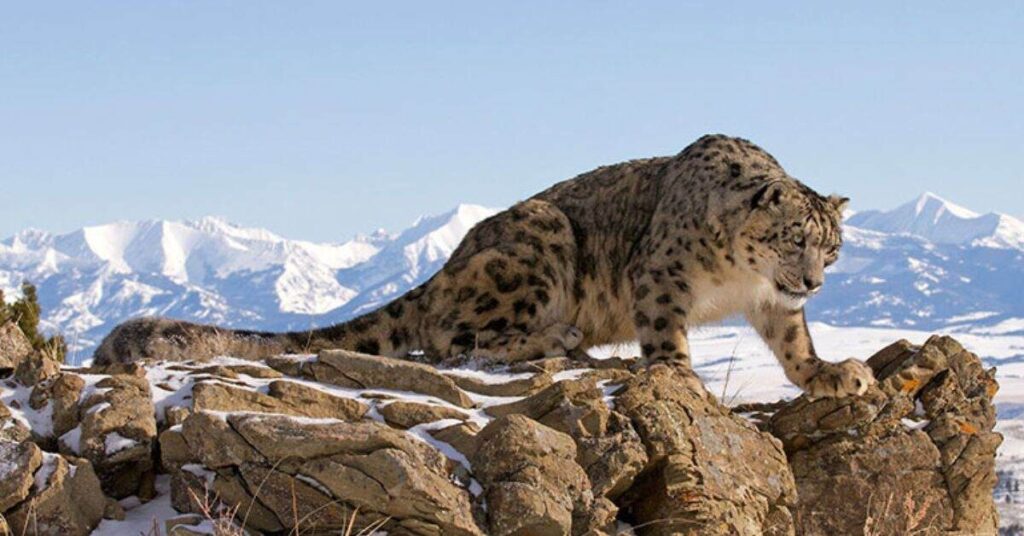
- Snow Leopard (Panthera uncia)
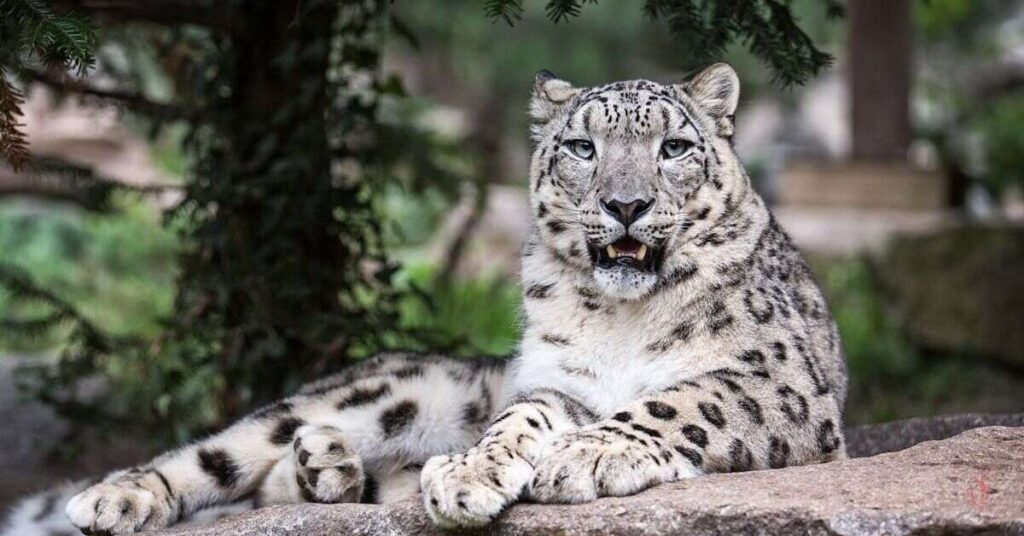
Though rare, the snow leopard roams the mountainous edges of the Gobi Desert. Its thick fur and powerful limbs make it a skilled hunter of ibex and argali sheep in rocky terrains.
- Saiga Antelope (Saiga tatarica)
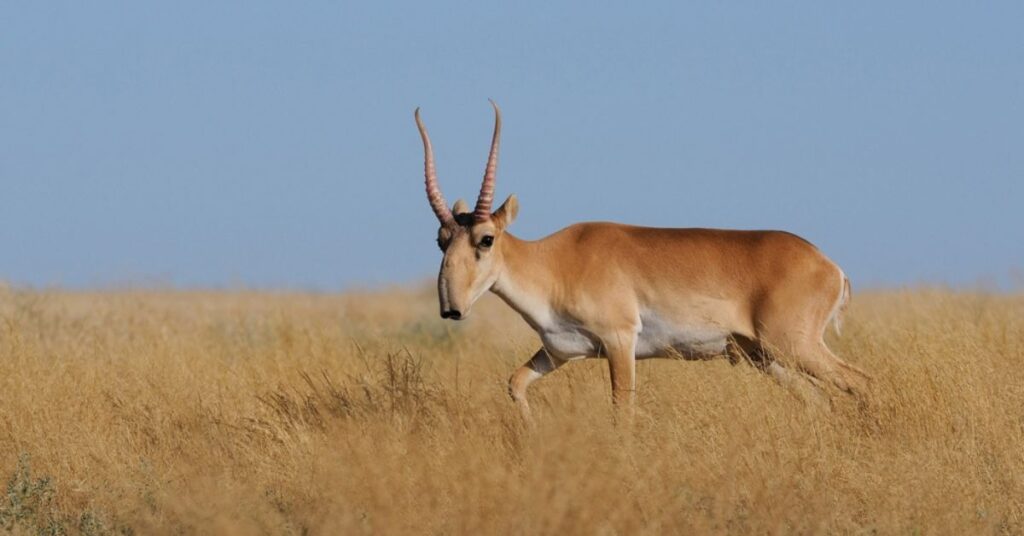
Known for its distinctive, bulbous nose, the saiga antelope helps filter dusty air and regulate body temperature. Once abundant, it is now endangered due to poaching and habitat loss.
- Jerboa
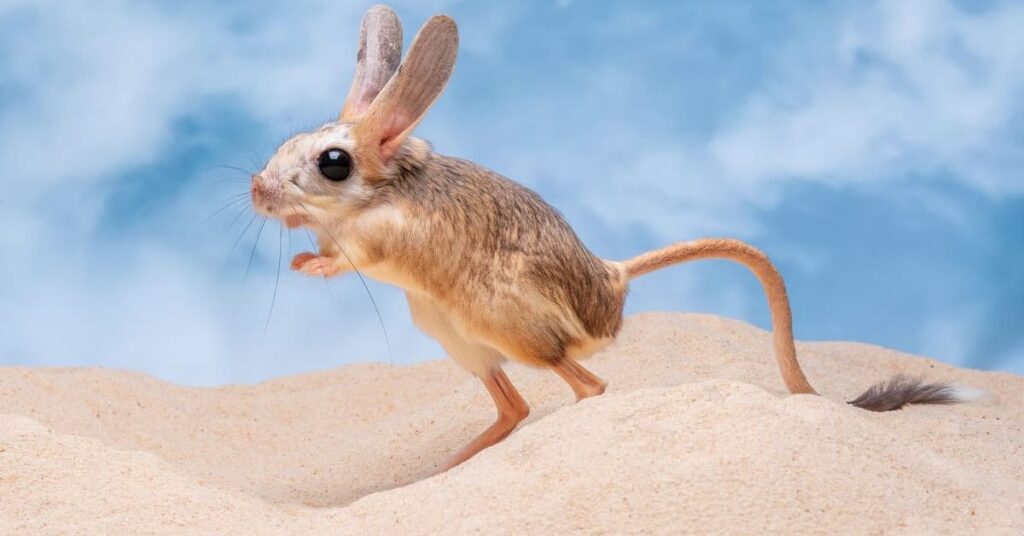
This tiny rodent hops like a kangaroo and has large ears for cooling. Jerboas are nocturnal, staying underground during the day to avoid heat.
- Golden Eagle
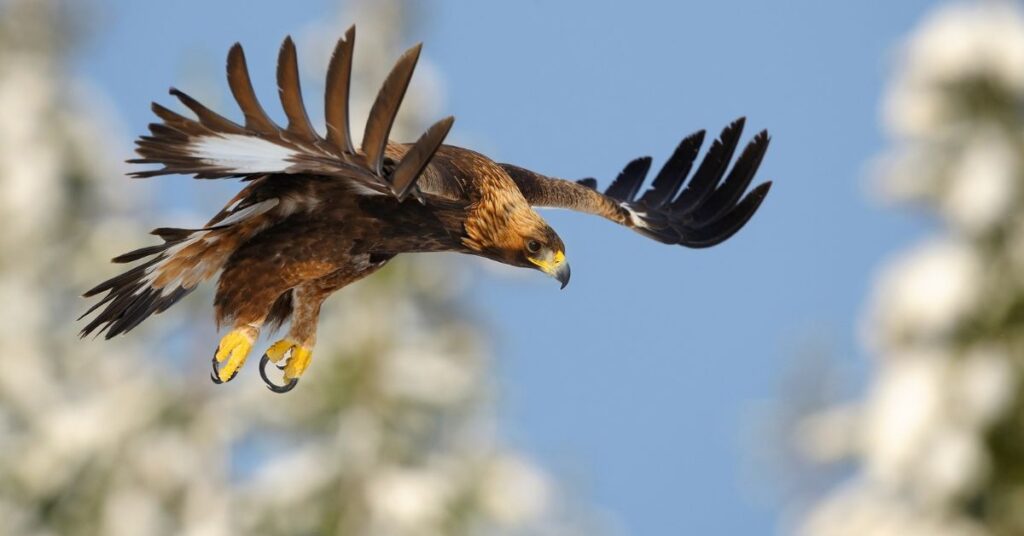
The Gobi’s vast skies are ruled by the golden eagle. It preys on small mammals and is admired in Mongolian culture for its strength and beauty.
- Pallas’s Cat (Otocolobus manul)
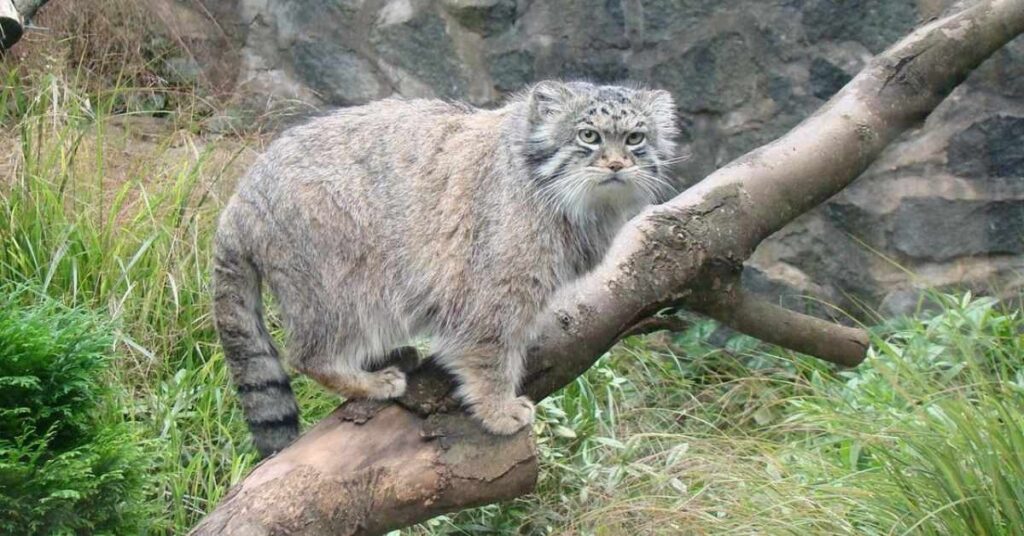
This small, fluffy wildcat looks like a domestic cat but is highly adapted to desert life. Its dense fur and low-profile hunting tactics make it a master of survival.
Rare Gobi Desert Animals You Might Not Know
Beyond the famous species, several lesser-known creatures also inhabit this desert:
- Gobi jerboa – a rare species that thrives in gravel plains.
- Gobi viper – a venomous snake camouflaged against rocky soil.
- Mongolian toad – one of the few amphibians capable of surviving Gobi conditions.
- Long-eared hedgehog – survives harsh nights by curling up and conserving heat.
- Desert monitor lizard – the Gobi’s top reptilian predator.
Gobi Desert Animals List
- Bactrian camel
- Gobi bear
- Mongolian wild ass
- Snow leopard
- Saiga antelope
- Jerboa
- Golden eagle
- Pallas’s cat
- Gobi viper
- Desert monitor lizard
- Long-eared hedgehog
- Mongolian toad
Each of these species plays a unique role in the desert’s ecosystem, helping it maintain balance despite the extreme environment.
Adaptations That Help Gobi Desert Wildlife Survive
Survival in the Gobi Desert requires special skills. Most animals have developed physical and behavioral adaptations:
- Water conservation: Camels can store fat in their humps, converting it into energy and water when needed.
- Temperature regulation: Thick fur in winter and shedding in summer allow mammals to cope with seasonal extremes.
- Nocturnal habits: Animals like jerboas and hedgehogs stay underground during the day and emerge at night to hunt.
- Camouflage: Many species, like the Pallas’s cat and Gobi viper, blend into their surroundings to hide from predators or sneak up on prey.
10 Interesting Facts About the Gobi Desert Animals
- The Gobi bear is the only bear species that lives exclusively in a desert.
- Bactrian camels can drink up to 57 liters of water in one go.
- The snow leopard’s tail can be as long as its body and helps it balance on steep cliffs.
- The Gobi Desert has both hot and cold climate zones, making it unique among deserts.
- Jerboas can jump over ten times their body length.
- Pallas’s cats are rarely seen because they are extremely shy and mostly nocturnal.
- Saiga antelopes’ noses warm the air before it reaches their lungs.
- Golden eagles are trained by Mongolian hunters for traditional falconry.
- The Mongolian wild ass can travel up to 20 km a day in search of water.
- The Gobi viper gives live birth instead of laying eggs, unlike most snakes.
What Is the Top Predator in the Gobi Desert?
The top predator in the Gobi Desert is the snow leopard. It is a powerful and silent hunter. Snow leopards live in the mountains and rocky areas of the desert. They have thick fur and strong legs that help them survive the harsh climate.
Snow leopards hunt animals like ibex, wild sheep, and smaller mammals. They move carefully and use their camouflage to stay hidden. These predators play an important role in keeping the ecosystem balanced. Their presence shows the desert’s rich and rare wildlife.
Threats to Gobi Desert Wildlife
Despite their resilience, Gobi Desert animals face growing threats. Climate change is altering rainfall patterns and vegetation. Mining and infrastructure projects disturb habitats. Poaching for fur and meat also impacts endangered species.
The Gobi bear, in particular, is on the brink of extinction. Conservation groups are setting up feeding stations and monitoring their movements to improve survival chances.
Conservation Efforts and What You Can Do
Efforts to protect Gobi Desert wildlife are increasing. The Mongolian government and international organizations are creating protected areas and running wildlife surveys.
Here’s how readers can help:
- Support NGOs focused on desert and wildlife conservation.
- Avoid buying products made from endangered animal parts.
- Raise awareness through social media or local campaigns.
- Choose eco-friendly travel options when visiting Mongolia.
Every small step contributes to preserving the Gobi’s delicate ecosystem.
Practical Takeaways for Wildlife Enthusiasts
For travelers or wildlife photographers, the Gobi offers a once-in-a-lifetime experience. When visiting:
- Travel with local guides who respect wildlife boundaries.
- Carry reusable bottles and avoid plastic waste.
- Observe animals quietly and from a distance.
- Learn about local conservation rules before your trip.
Best Time to Visit the Gobi Desert for Wildlife
Spring (April to June) and autumn (September to October) are the best seasons for spotting animals. During these months, temperatures are moderate, and wildlife activity increases around water sources.
Conclusion
The Gobi Desert is not just a vast stretch of emptiness it’s a living, breathing ecosystem full of wonders. From the rare Gobi bear to the swift khulan and majestic snow leopard, each species tells a story of survival against the odds.
Understanding and protecting Gobi Desert wildlife is essential for preserving one of the planet’s most unique natural landscapes. With awareness, conservation, and responsible tourism, we can ensure that the resilient creatures of the Gobi continue to thrive for generations to come.
FAQs
What is Gobi Desert wildlife known for?
Gobi Desert wildlife is known for its rare and resilient species, including snow leopards, Gobi bears, and unique reptiles.
Which animals are found in the Gobi Desert?
The Gobi Desert hosts animals like the Gobi bear, wild camels, snow leopards, jerboas, and various desert birds.
Are any Gobi Desert wildlife species endangered?
Yes, several species like the Gobi bear and snow leopard are critically endangered and need protection.
What do Gobi Desert wildlife eat?
Animals in the Gobi Desert eat plants, insects, small mammals, and other desert-adapted prey.
How do Gobi Desert wildlife survive extreme conditions?
They survive by adapting to scarce water, harsh temperatures, and limited food sources in the desert.
