

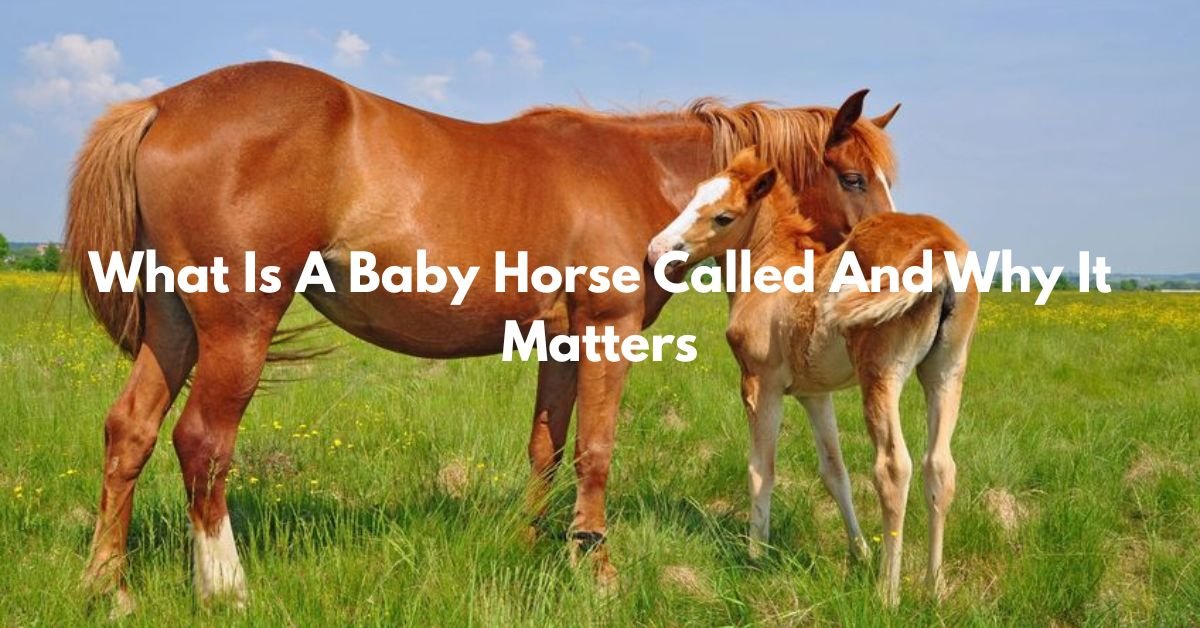
A baby horse is one of nature’s most charming sights. Long legs, soft eyes, and wobbly first steps make foals instant favorites among animal lovers.
But there is more to a baby horse than its cute looks. These young animals grow fast. They learn survival skills within hours of birth. Understanding how a baby horse develops helps us appreciate the incredible design of nature.
In this guide, we will explore what a baby horse is called, how it grows, what it eats, and how it behaves. We will also answer common questions people ask about foals. Whether you are a horse owner, a student, or simply a wildlife enthusiast, this article will give you a complete picture of the early life of a horse.
Let’s start with the basics.
What Is A Baby Horse Called?
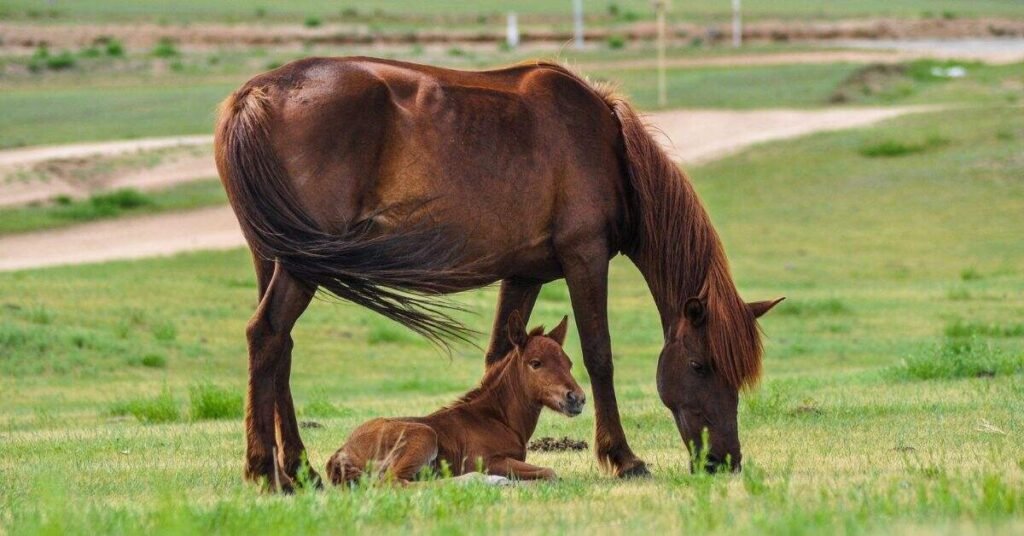
A baby horse is officially called a foal.
Once we know the gender, more specific names come into play. A male baby horse is called a colt. A female baby horse is called a filly. These terms are used until the horse reaches about four years of age, after which they are called stallions or mares.
Interestingly, the word foal is not exclusive to horses. Baby donkeys are also called foals. Baby zebras can be called foals or colts too.
Knowing these terms helps when reading about horse breeding or watching equestrian events.
| Term | Meaning | Age Range |
| Foal | General term for baby horse | Birth to 1 year |
| Colt | Male baby horse | Birth to 4 years |
| Filly | Female baby horse | Birth to 4 years |
| Yearling | Horse of either gender | 1 to 2 years |
| Mare | Adult female horse | 4 years and older |
| Stallion | Adult male horse | 4 years and older |
How A Baby Horse Is Born And Its First Hour Of Life
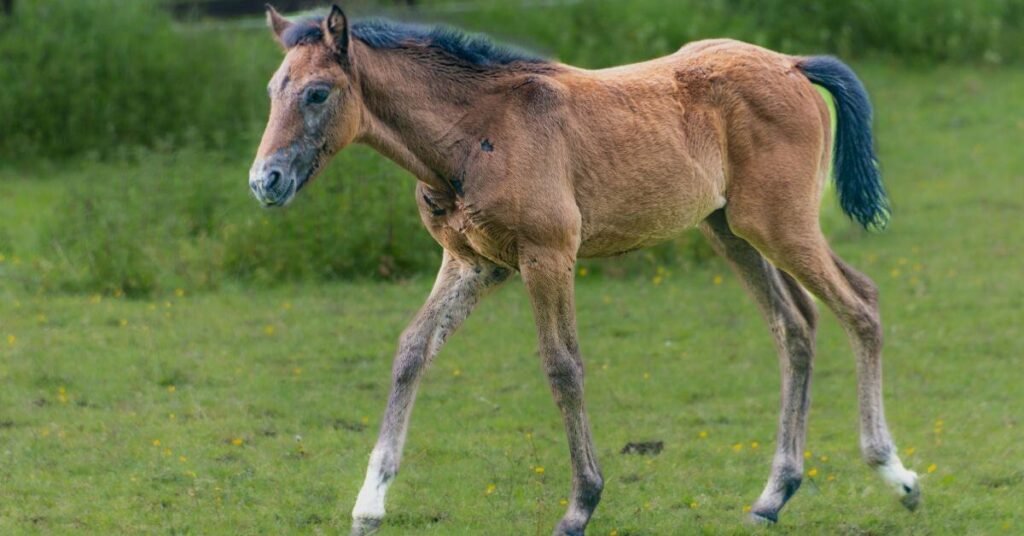
The birth of a baby horse is a fast and dramatic event. Unlike many mammals, horses give birth quickly, often within twenty to thirty minutes once labor begins.
This speed is an evolutionary advantage. Horses are prey animals in the wild. A long birthing process would leave the mother and foal exposed to predators. Nature designed the process to be quick for survival.
Right after birth, a baby horse already has fully formed hooves. However, these hooves look unusual. They are covered in a soft, rubbery layer called the eponychium. Many horse owners call this covering fairy fingers or golden slippers because of its delicate appearance.
This soft covering protects the mother during birth. It prevents the sharp edges of the hoof from injuring the birth canal. Within a day or two, this covering dries out and falls away naturally as the foal starts walking and putting weight on its feet.
A newborn baby horse also attempts to stand almost immediately. Most foals make their first attempt to rise within fifteen minutes of birth. Full standing usually happens within an hour. This quick mobility is essential because the foal needs to nurse soon after birth to gain strength and immunity.
Growth And Physical Development
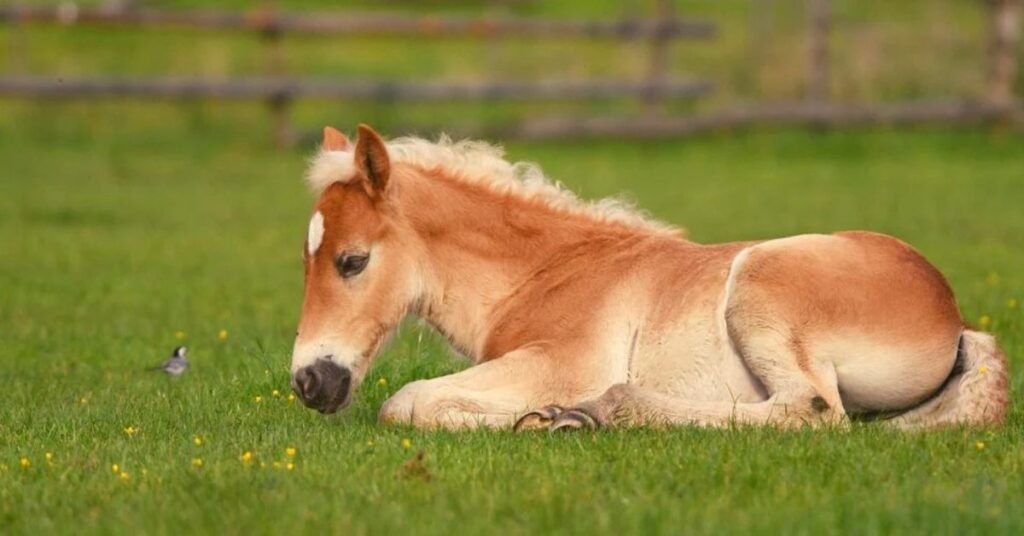
One of the most surprising facts about a baby horse is how tall it already is at birth. A newborn foal has legs that make up nearly eighty to ninety percent of its adult leg length.
This means a baby horse looks disproportionately tall compared to its body when it is born. Over time, the rest of the body catches up in proportion, but the legs barely grow much longer after birth.
This long-legged design helps foals keep pace with the herd from a very young age. Since horses are grazing animals that move constantly to find food and avoid danger, a baby horse must be able to run within hours of being born.
Growth continues rapidly during the first year. Proper nutrition, exercise, and veterinary care during this period shape the horse’s frame for life.
Hoof growth is also fast during this stage. A foal’s hooves grow at nearly double the rate of an adult horse. This rapid growth means regular trimming and check-ups from a farrier are necessary starting around three to four weeks of age.
Feeding And Nutrition Needs Of A Baby Horse
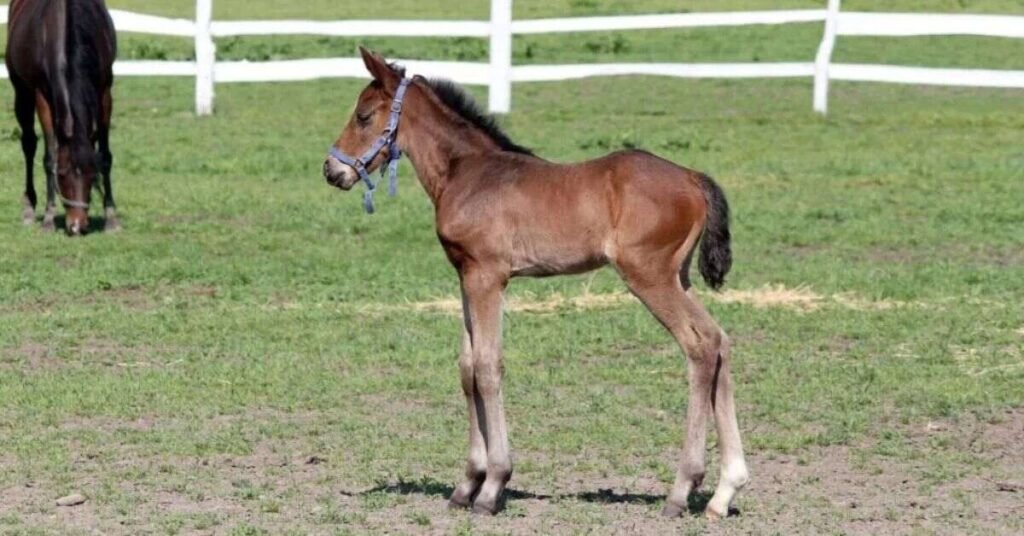
Like all mammals, a baby horse depends entirely on its mother’s milk in the earliest stage of life. This milk provides essential nutrients, energy, and antibodies that protect the foal from infections.
The first milk, known as colostrum, is especially important. It must be consumed within the first few hours after birth. Colostrum carries antibodies that give the newborn horse its early immune protection since foals are not born with strong immunity of their own.
As weeks pass, a baby horse starts nibbling on grass and hay, mimicking its mother’s grazing behavior. This is a gradual learning process. By the time the foal is a few months old, it begins eating more solid food alongside milk.
Weaning typically happens around four to six months of age. At this point, the baby horse shifts entirely to solid food such as grass, hay, and specially formulated foal feed. Proper nutrition during weaning is critical since this is when the horse experiences one of its fastest growth phases.
Owners and caretakers must ensure the diet includes the right balance of proteins, vitamins, and minerals. Poor nutrition at this stage can affect bone development and overall health later in life.
Sleep Patterns And Daily Behavior Of A Baby Horse
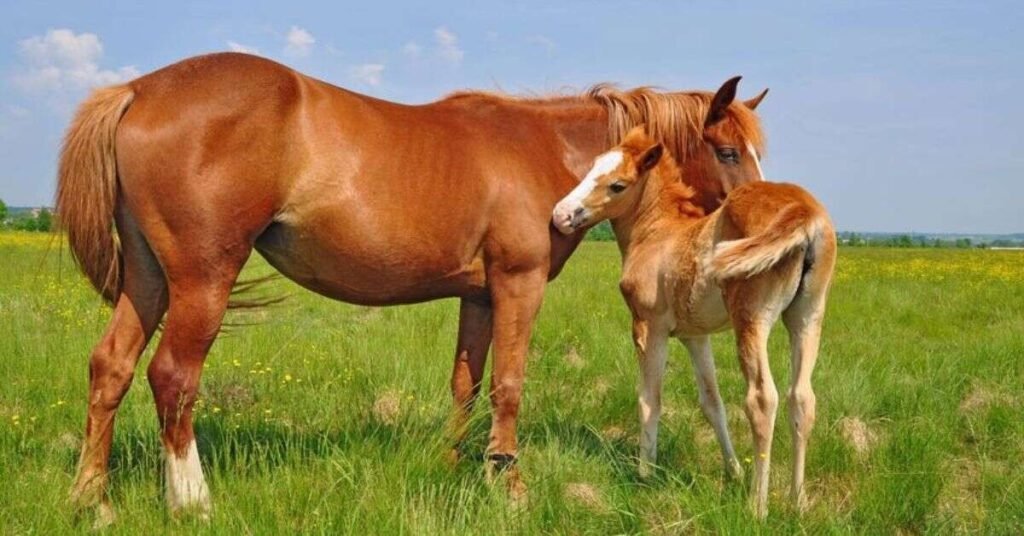
A baby horse sleeps very differently compared to human babies. Instead of long, continuous sleep, a foal rests in short bursts throughout the day.
Foals can sleep both standing up and lying down. Standing sleep allows for a quick escape if danger appears, which is a useful trait for a prey animal. Lying down sleep, however, allows deeper rest, including the important REM stage of sleep.
In the first three months, a baby horse may sleep for nearly half the day, broken into many small naps of around thirty minutes each. As the horse grows older, total sleep time decreases. By adulthood, a horse sleeps for only about three hours a day, spread across several short naps.
Beyond sleep, a baby horse is highly active once awake. It spends time running, playing, and staying close to its mother. This play behavior is not just for fun. It builds muscle strength, coordination, and social skills needed for herd life.
Mothers play an enormous role in shaping this behavior. They teach the foal how to graze, how to identify danger, and how to interact with other horses. Fathers, on the other hand, typically play no role in raising the young after mating.
Common Health Concerns In A Baby Horse
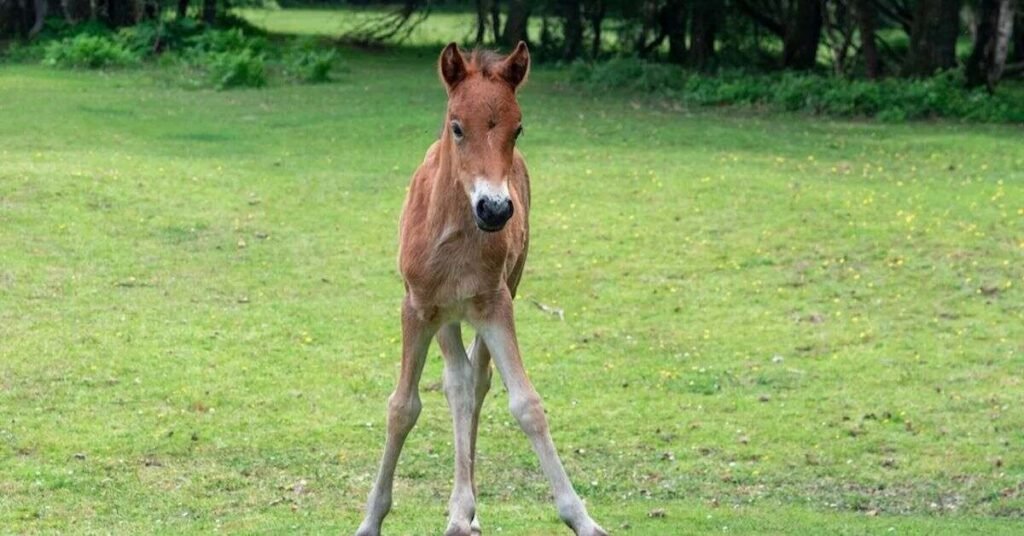
Like any young animal, a baby horse can face certain health challenges during its early development. Being aware of these issues helps owners act quickly and avoid long-term complications.
One common concern involves the legs. Some foals are born with angular limb deformities, where the legs do not align perfectly straight. Others may develop tendon laxity or contracture, which affects how the foal stands and walks. Early veterinary evaluation usually helps manage these conditions successfully.
Hoof care also needs attention from an early age. Since foal hooves grow quickly, missing regular trims can lead to uneven growth and posture problems. A farrier visit around three to four weeks of age, followed by monthly checks, keeps hoof development on track.
Vaccinations and deworming schedules, guided by a veterinarian, further protect a baby horse from common infections and parasites during its most vulnerable growth period.
Practical Tips For Caring For A Baby Horse
Caring for a baby horse requires patience, consistency, and attention to detail. A calm environment helps a foal feel secure, especially during its first few weeks.
Regular handling from an early age builds trust between the foal and its caretakers. Gentle touch, slow movements, and short training sessions make the horse comfortable with humans without causing stress.
Scheduling routine hoof trims and veterinary check-ups keeps physical development on track. Watching for changes in behavior, appetite, or mobility can help catch problems early before they become serious.
Socialization with other horses is equally important. A baby horse that grows up around a herd learns natural behaviors faster and develops better social skills than one raised in isolation.
How A Baby Horse Compares To Other Young Animals
A baby horse stands out when compared to babies of other species. Many newborn mammals, like puppies or kittens, are born blind, weak, and entirely helpless. A foal, on the other hand, is born ready to move.
This difference comes down to survival strategy. Horses belong to a group of animals known as precocial species. Precocial animals are born in an advanced state of development, with open eyes, functioning senses, and the ability to stand and walk almost immediately.
Compare this to a human baby, which takes nearly a year to walk independently, or a kitten, which needs weeks before its eyes even open. A baby horse achieves both within hours. This rapid readiness is shared by other prey animals such as deer, zebras, and giraffes, all of which must keep up with their herd soon after birth to avoid predators.
This comparison highlights just how remarkable a baby horse truly is. Its biology is built entirely around speed, mobility, and quick learning, traits shaped over thousands of years of evolution in open grasslands where safety depends on staying with the group.
Conclusion
A baby horse is far more than an adorable animal to admire from a distance. From its unusual soft hooves at birth to its rapid growth and unique sleep patterns, every stage of its early life reflects nature’s careful design for survival.
Understanding how a baby horse grows, feeds, and behaves gives us a deeper appreciation for these remarkable creatures. Whether you are caring for one directly or simply fascinated by wildlife, knowing these facts connects us more closely to the natural world.
Horses have shared a bond with humans for thousands of years. Learning about their earliest days helps us protect and care for them better, ensuring future generations of these graceful animals continue to thrive.
Frequently Asked Questions
What is a baby horse called?
A baby horse is called a foal. Males are called colts and females are called fillies.
How long does a baby horse stay with its mother?
A baby horse usually stays close to its mother until weaning, which happens around four to six months of age.
Why does a baby horse have soft hooves at birth?
The soft covering, called the eponychium, protects the mother during birth and hardens within a day or two after delivery.
When can a baby horse walk after birth?
Most foals attempt to stand within fifteen minutes of birth and are walking within an hour.
What do baby horses eat?
A baby horse drinks its mother’s milk at first, then gradually starts eating grass and hay before fully switching to solid food after weaning.
