

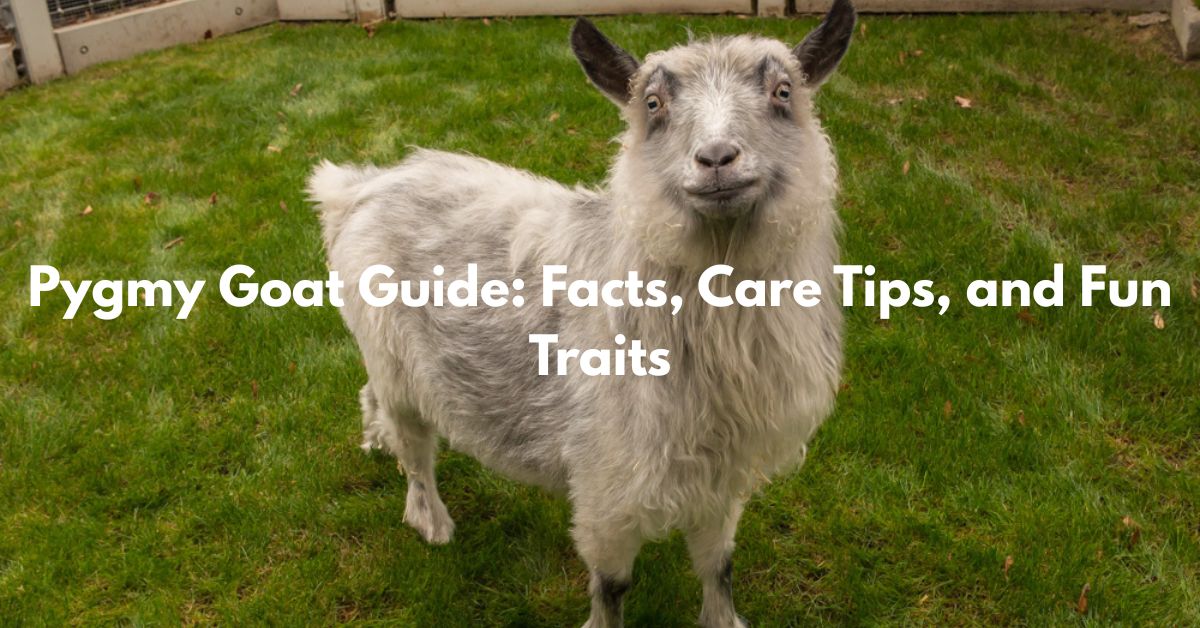
Picture a goat that stands barely knee high, has a round barrel body, and greets you with a curious tilt of the head. That is the pygmy goat, one of the most beloved small livestock breeds in the world.
These little animals pack a huge personality into a tiny frame. They are playful, social, and surprisingly tough for their size.
Whether you are a wildlife lover, a homesteader thinking about small livestock, or simply curious about this pint sized breed, this guide covers everything worth knowing about the pygmy goat. You will learn where they come from, how they look and behave, what they eat, and what it takes to keep them healthy and happy.
What Is a Pygmy Goat?
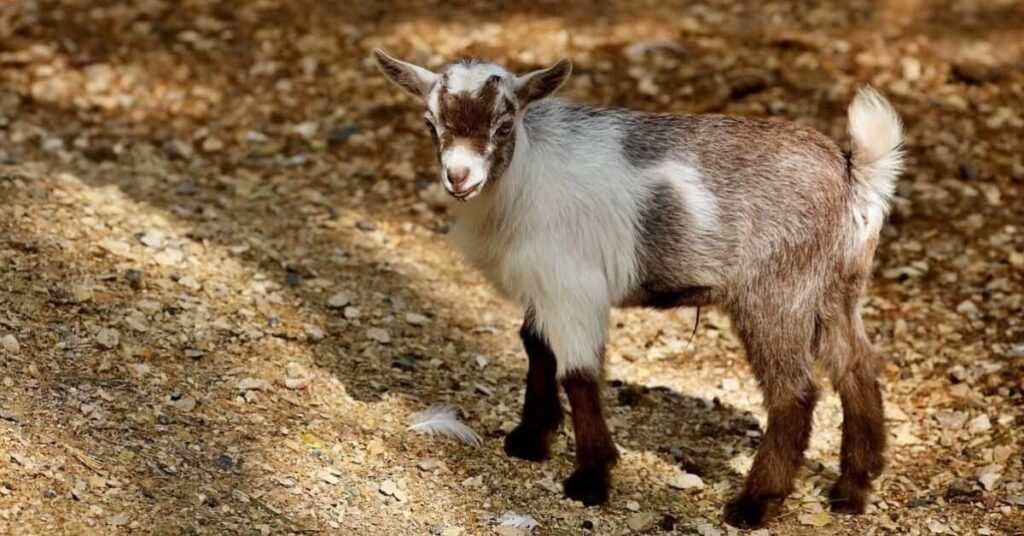
The pygmy goat traces its roots back to West Africa, particularly the Cameroon Valley region. Local farmers there kept the ancestor of this breed, known as the West African Dwarf goat, for meat, milk, and general farm use.
During the twentieth century, breeders in Europe and North America began importing these small African goats. Many first appeared in zoos across Germany and Sweden, where they were displayed as exotic animals. From there, shipments reached Britain, Canada, and the United States.
In the late 1950s, the first documented pygmy goats arrived in the United States, and their descendants soon found homes in zoos, research centers, and private farms. By the 1970s, breeders in America had shaped a distinct type, and the National Pygmy Goat Association formed to guide the breed standard.
Today, the pygmy goat is recognized as a separate breed from its larger cousins. In West Africa, people still raise similar dwarf goats for meat and milk. In most of the Western world, though, the pygmy goat is kept mainly as a companion animal and a favorite at petting zoos and small farms.
What Does a Pygmy Goat Look Like?
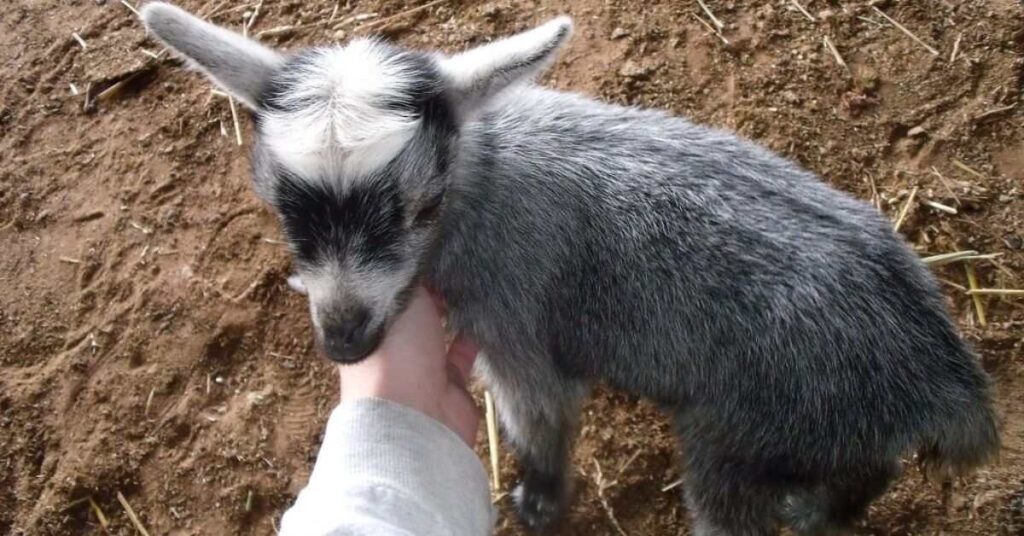
A pygmy goat is small, stocky, and solidly built. Adults typically stand between sixteen and twenty three inches tall at the shoulder, which is roughly the height of a large dog.
Despite their short legs, these goats carry a surprising amount of muscle. Their body shape is often described as cobby, meaning wide and compact rather than long and lean. This gives them a sturdy, rounded look that many owners find instantly endearing.
Weight varies by sex and age. Does, or female goats, usually weigh between thirty five and fifty pounds. Bucks, the males, tend to be heavier and more muscular, often reaching sixty pounds or more.
Coat colors add to the charm of the breed. Common patterns include solid black, grey agouti, black agouti, and caramel with darker markings on the face and legs. Many goats also show lighter frosting around the muzzle, eyes, and ears.
Both male and female pygmy goats can grow horns unless they are disbudded as kids. Their ears stand upright and alert, and their eyes often carry a rectangular pupil, which is typical of goats in general and helps them keep watch for predators while grazing.
Pygmy Goat Temperament and Personality
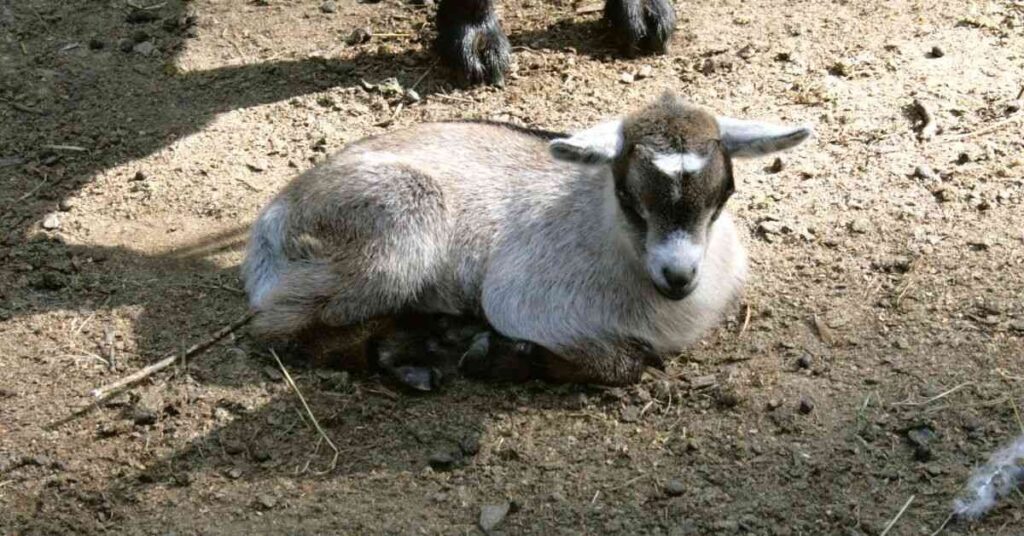
Ask any owner why they love the pygmy goat, and personality usually tops the list. These animals are friendly, curious, and full of energy.
Pygmy goats are highly social. In the wild and on farms, goats naturally live in herds, and this instinct carries over into how they behave as pets. A lone pygmy goat can become stressed, anxious, or destructive, so most experts recommend keeping at least two together.
They bond closely with their companions, whether that means another goat, a friendly dog, or their human caretaker. Many owners report that their goats follow them around the yard, nuzzle for attention, and even call out when it is feeding time.
Play is a huge part of pygmy goat behavior. Adult goats keep much of this playful streak too, especially when given climbing structures or open space to explore.
This friendly, easygoing nature makes the pygmy goat a popular choice for families, 4-H projects, and educational farms. Children usually find them approachable, though supervision is still wise since goats are strong and curious by nature.
Read about it more:https://thriftyhomesteader.com/pygmy-goats-everything-you-need-to-know/
What Do Pygmy Goats Eat?
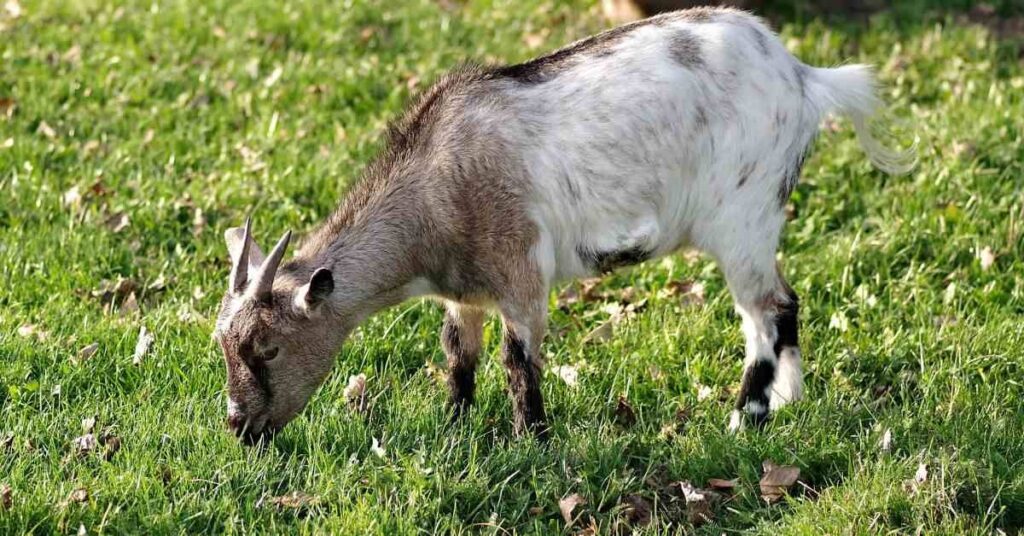
Feeding a pygmy goat correctly is one of the most important parts of keeping the breed healthy. Like all goats, pygmies are ruminants, meaning they have a multi chambered stomach built to break down fibrous plant material.
Good quality grass hay should form the bulk of the diet. Hay provides the fiber goats need for healthy digestion and keeps their rumen working properly. Fresh pasture and browse, such as leaves, twigs, and shrubs, are also excellent since goats naturally prefer nibbling on varied plants rather than grazing short grass like sheep do.
Grain and commercial pellets should only make up a small part of the diet. Too much grain can lead to obesity, since pygmy goats gain weight easily. It can also raise the risk of urinary stones, a painful condition that affects male goats more often than females.
A loose mineral mix formulated for goats helps fill nutritional gaps that hay and pasture cannot cover alone. Fresh, clean water should always be available, and it needs to be changed daily to stay appealing.
Owners should also learn which common plants are toxic to goats. Azaleas, rhododendrons, and certain ornamental shrubs can cause serious harm, so supervised grazing areas are the safest choice for any pygmy goat.
Housing and Space Needs for a Pygmy Goat
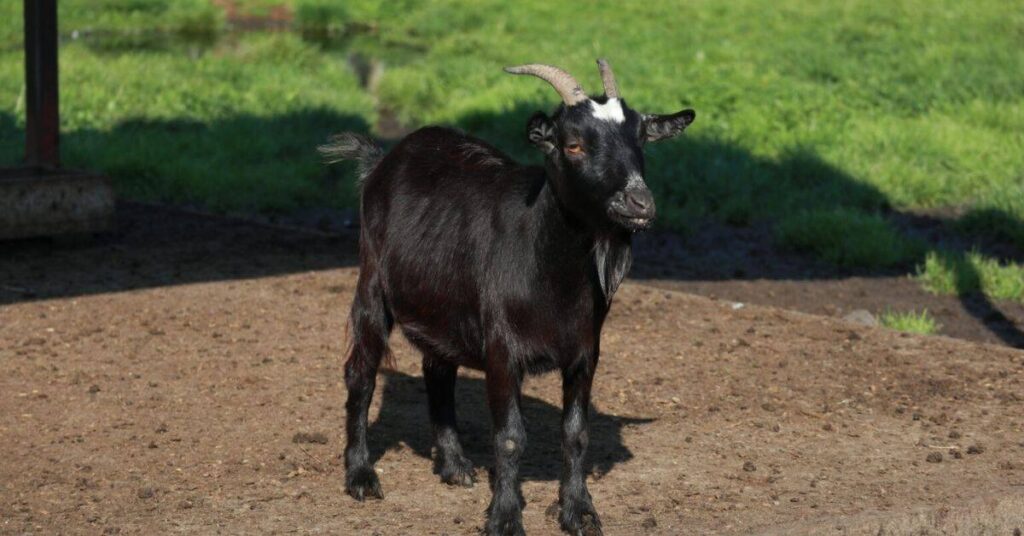
Even though the pygmy goat is small, it still needs proper shelter and room to roam. A cramped hutch or converted dog kennel is not enough for this active, herd oriented breed.
Most guides recommend at least fifteen to twenty square feet of indoor shelter per goat, along with a larger outdoor area for exercise and play. The shelter should stay dry and free from drafts, since goats dislike dampness far more than cold.
Ventilation matters too. A stuffy, humid shed can lead to respiratory problems, so airflow should be part of any housing plan. Deep straw or shaving bedding helps keep goats warm and comfortable, especially during colder months.
Fencing deserves special attention. Goats are known escape artists, and a pygmy goat will test weak spots in a fence line. Sturdy woven wire or livestock panels at least four feet tall usually work well, and gates should latch securely to prevent curious noses from pushing them open.
Adding enrichment, such as low platforms, sturdy stumps, or simple ramps, gives goats a chance to climb and play, which matches their natural instincts. A well designed space keeps a pygmy goat both safe and mentally stimulated.
Common Health Concerns in Pygmy Goats
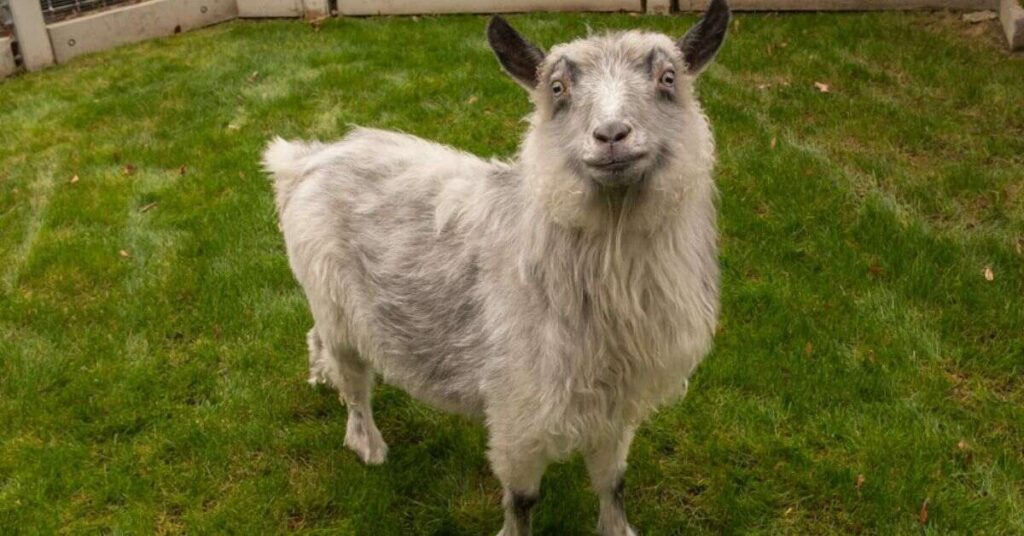
Pygmy goats are generally hardy animals, but a few health issues appear often enough that owners should watch for them. Understanding these risks helps keep a pygmy goat comfortable for its full lifespan, which typically runs between ten and fifteen years with good care.
Urinary calculi, or bladder stones, affect male goats more frequently, particularly if their diet contains too much grain or calcium imbalance. Ensuring plenty of fresh water and limiting concentrated feed lowers this risk considerably.
Internal parasites are another concern, since goats graze close to the ground where worm larvae often live. Routine fecal testing and a parasite control plan, guided by a veterinarian, keep worm loads in check.
Hoof care is a simple but essential task. Hooves should be trimmed every four to six weeks to prevent overgrowth, cracking, or infection. Annual vaccination against diseases like tetanus and enterotoxemia, often called overeating disease, rounds out a solid preventative health routine for any pygmy goat.
Read about it more: https://a-z-animals.com/animals/american-pygmy-goat/
Pygmy Goat vs Nigerian Dwarf Goat
People often confuse the pygmy goat with the Nigerian Dwarf goat, since both are small breeds that trace back to West Africa. They differ in build, purpose, and appearance, though, as shown below.
| Feature | Pygmy Goat | Nigerian Dwarf Goat |
| Body Shape | Cobby, wide, and heavily muscled | Slender, more like a miniature dairy goat |
| Primary Use | Companionship, exhibition, light utility | Dairy production and companionship |
| Milk Production | Small amount, mainly for personal use | Higher volume with rich, creamy milk |
| Typical Height | 16 to 23 inches | Similar range, slightly leaner frame |
| Personality | Friendly, playful, sturdy | Gentle, social, often described as elegant |
Both breeds share a friendly temperament and need companionship, proper fencing, and a fiber rich diet. The main difference comes down to build and purpose, with the pygmy goat favored for its stocky frame and the Nigerian Dwarf chosen more often for home dairy use.
Are Pygmy Goats Good Pets? Practical Tips
For many families, the answer is a clear yes. The pygmy goat offers a rare combination of manageable size, friendly temperament, and genuine personality that larger livestock breeds cannot match.
Before bringing one home, check local zoning rules, since goats count as livestock in many areas even if only two are kept in a backyard. A holding registration may be required depending on where you live.
Plan to keep at least two goats together, since isolation causes stress in this social breed. Budget time each day for feeding, water changes, and simple companionship, since pygmy goats thrive on interaction with their owners.
Invest in secure fencing and a dry, ventilated shelter before the goats arrive rather than after. Retrofitting housing later often costs more time and effort than building it right from the start.
Finally, find a veterinarian experienced with goats before any health issue arises. Establishing that relationship early makes routine care, vaccinations, and emergencies far easier to manage. With the right preparation, a pygmy goat can bring years of laughter, companionship, and charm to a family or homestead.
Conclusion
The pygmy goat proves that big personality does not require a big body. From its West African origins to its modern role as a beloved companion animal, this breed has won hearts around the world with its playful nature and manageable size.
Caring for a pygmy goat means paying attention to diet, housing, companionship, and routine health checks. In return, owners get a curious, affectionate animal that becomes a true part of the family.
Whether you plan to keep pygmy goats as pets, learn about them for a school project, or simply enjoy wildlife content from afar, this small breed offers a big reminder that nature’s most charming creatures often come in the smallest packages.
Frequently Asked Questions
How big does a pygmy goat get?
A pygmy goat usually reaches sixteen to twenty three inches tall at the shoulder and weighs between thirty five and eighty pounds, depending on sex and age.
How long do pygmy goats live?
With proper diet, shelter, and veterinary care, a pygmy goat typically lives between ten and fifteen years.
Can you keep just one pygmy goat?
It is not recommended. Pygmy goats are herd animals and need at least one companion to stay calm and emotionally healthy.
What do pygmy goats eat daily?
Their diet should center on grass hay and browse, with only small amounts of grain, plus a goat specific mineral mix and fresh water at all times.
Are pygmy goats good with children?
Yes, their friendly and gentle nature makes them a popular choice for families, though adult supervision is still wise during playtime.
