

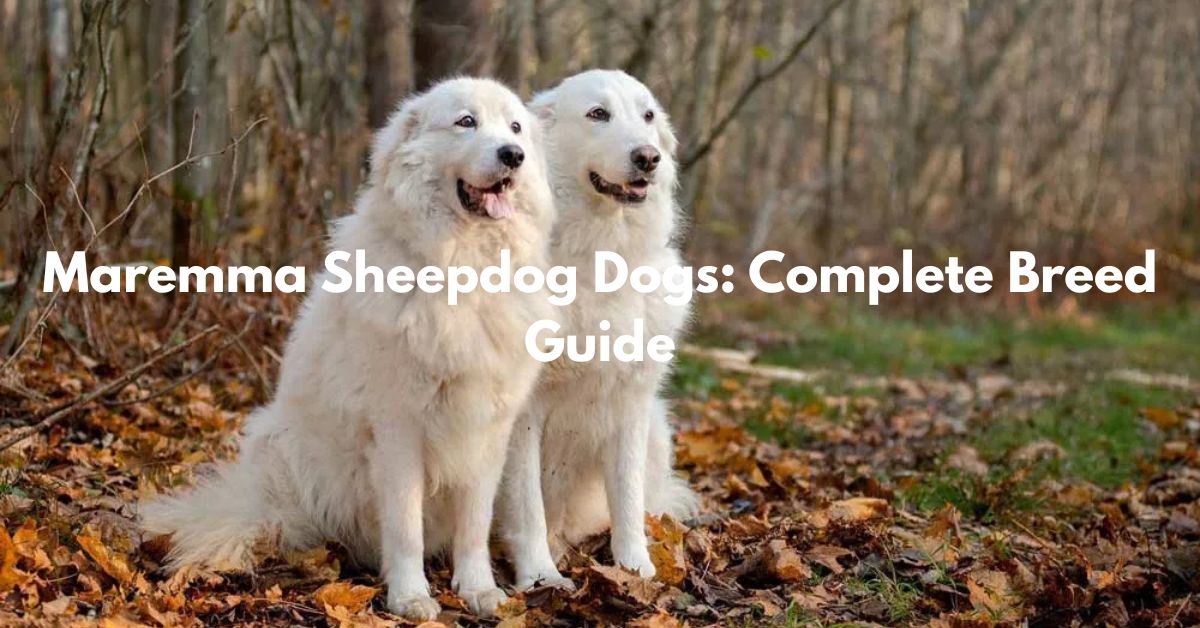
Picture a snowy Italian hillside. A giant white dog stands still on a ridge, watching over a flock of sheep. It does not bark for attention. It does not chase a ball. It simply guards, day and night, without being told to. That is the true spirit of maremma sheepdog dogs.
These dogs have protected Italian farms for over two thousand years. They are not just pets. They are working partners bred for one job: keeping livestock safe from wolves and other predators.
If you love wildlife, farm life, or simply big fluffy dogs with a strong personality, this breed will fascinate you. In this guide, we will explore everything about maremma sheepdog dogs, including their history, looks, temperament, health, and care needs.
By the end, you will know if this ancient Italian guardian fits your lifestyle.
What Is a Maremma Sheepdog
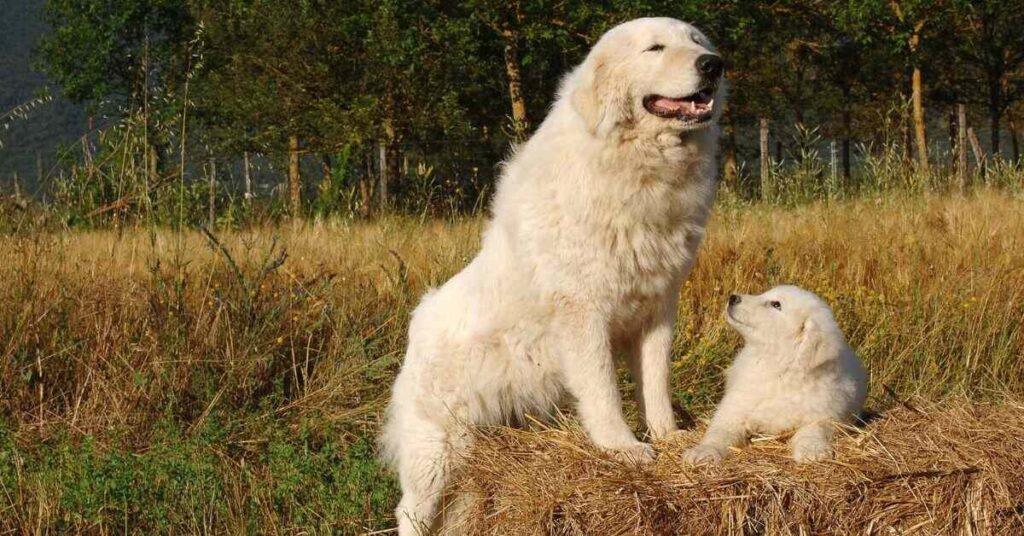
A maremma sheepdog is a large livestock guardian breed from central Italy. It comes from the Maremma and Abruzzo regions, which is why the breed carries both names.
Farmers bred this dog for one main purpose. They needed a dog that could live outdoors with sheep and protect them from wolves and bears. Unlike herding dogs, this breed does not push or drive livestock around. It simply stays close and guards.
The maremma sheepdog dog breed is often called Maremmano or Maremmano-Abruzzese. All these names point to the same working dog with a thick white coat.
This breed is not a city dog. It thrives on open land with a job to do. Its calm confidence and independent thinking make it very different from typical family pets.
Many people confuse this breed with the Great Pyrenees. Both dogs share a similar job and a fluffy white coat. However, the maremma sheepdog has its own distinct history rooted deeply in Italian shepherd culture.
Understanding this background helps explain almost everything about how the dog behaves today.
History and Origin of the Maremma Sheepdog

The story of maremma sheepdog dogs goes back further than most people expect. Roman writers mentioned a similar white sheepdog from northern Italy as early as 100 BC. That makes this one of the oldest working dog breeds still around today.
For centuries, shepherds in the Maremma lowlands and the Abruzzo mountains relied on this dog to protect their flocks. Wolves were a constant threat, and a lone shepherd could not watch every sheep at once. The solution was a dog large enough to fight off predators and smart enough to work without constant instruction.
Shepherds even used spiked collars on these dogs, called roccale, to protect their necks during wolf attacks. This detail alone shows how seriously this breed took its guarding role.
The dog’s bright white coat served a practical purpose too. At night or in fog, shepherds could easily tell their guardian dog apart from a wolf.
Today, working lines of the maremma sheepdog breed still guard sheep, goats, and poultry across Italy and other countries. Some conservation projects even use them to protect endangered wildlife from predators without the need for lethal control.
This long, practical history explains why the breed remains independent, watchful, and deeply loyal to whatever flock or family it considers its own.
Physical Appearance and Size
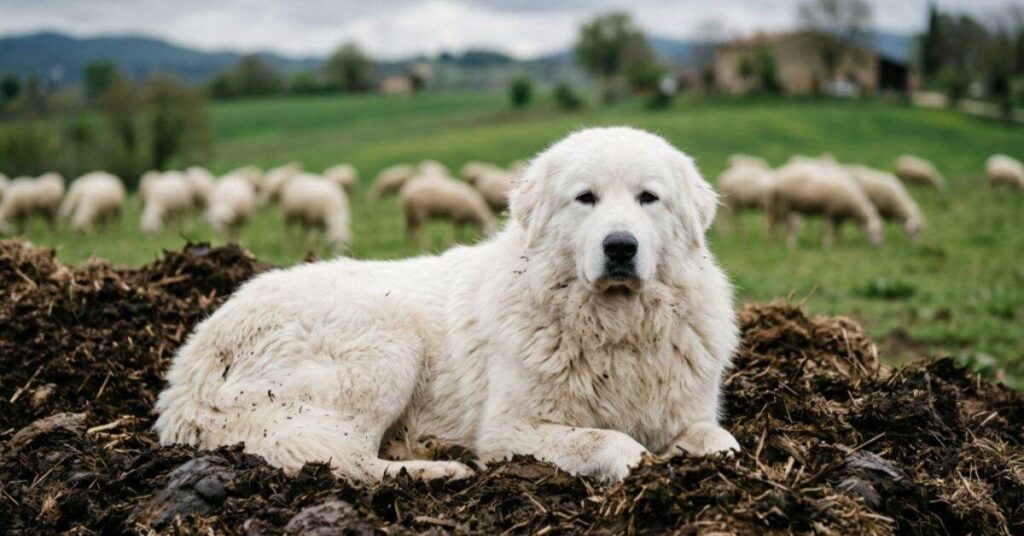
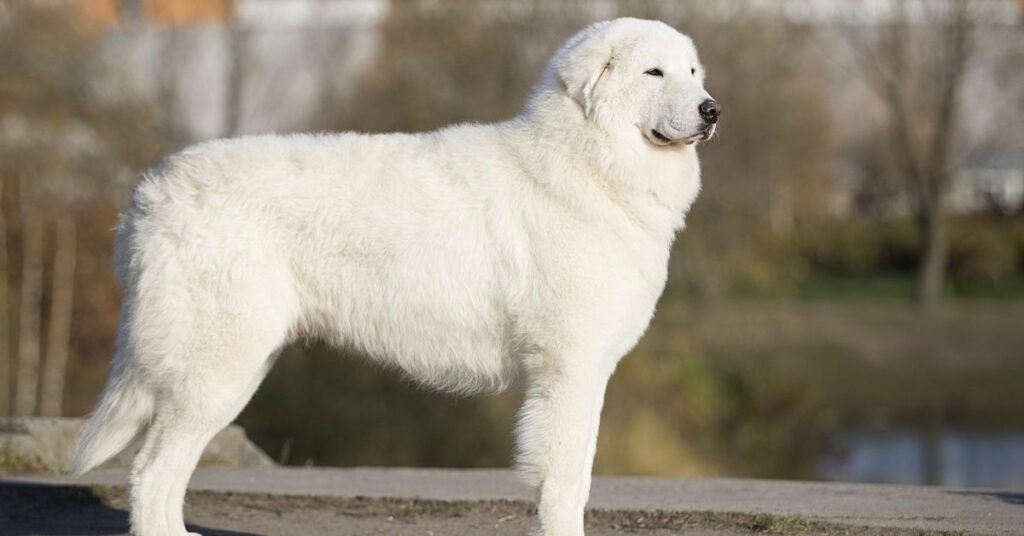
You will notice a maremma sheepdog from a distance. This breed carries a strong, muscular frame covered in a thick, weatherproof white coat.
Adult males typically stand between 25 and 29 inches tall and can weigh close to 100 pounds. Females are usually slightly smaller, standing around 24 to 27 inches and weighing about 85 pounds. This places the breed firmly in the large dog category.
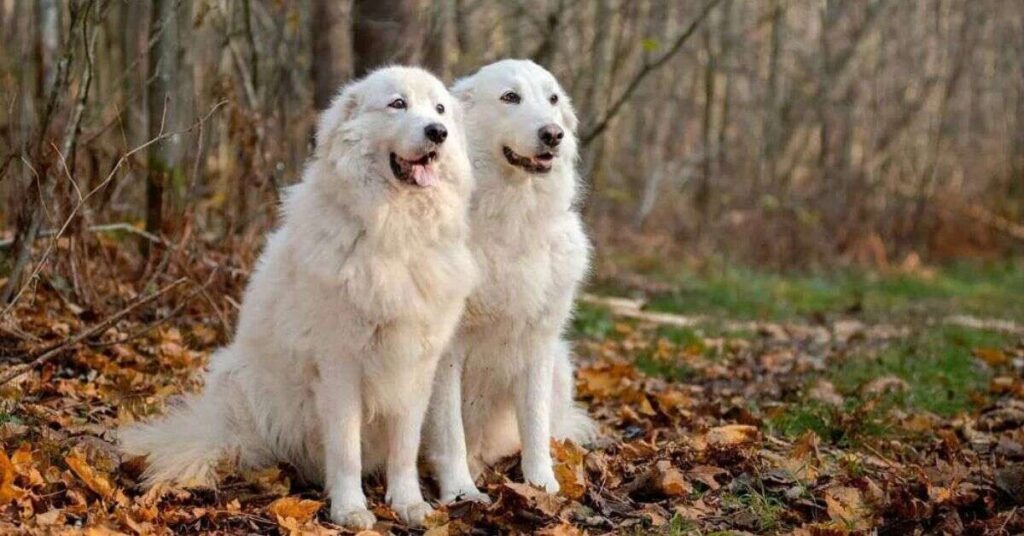
The coat is where this breed truly stands out. It has a dense undercoat paired with a coarser outer layer. This double coat protects the dog from cold winters, wind, and rain while working outdoors. Some dogs show light cream or pale markings around the ears, but the coat is mostly solid white.
Here is a quick look at the breed’s key physical traits.
| Trait | Details |
| Height (male) | 25 to 29 inches |
| Height (female) | 24 to 27 inches |
| Weight (male) | Up to 100 pounds |
| Weight (female) | Around 85 pounds |
| Coat type | Dense double coat |
| Coat color | White, sometimes cream markings |
| Lifespan | 11 to 13 years |
| Origin | Maremma and Abruzzo, Italy |
Beyond size, the breed has a broad head, dark eyes, and drop ears that give it a calm, watchful expression. Its tail is thick and carried low, and its overall build reflects endurance rather than speed. This is a dog built to work long hours on rough terrain, not to sprint after a ball.
Temperament and Personality
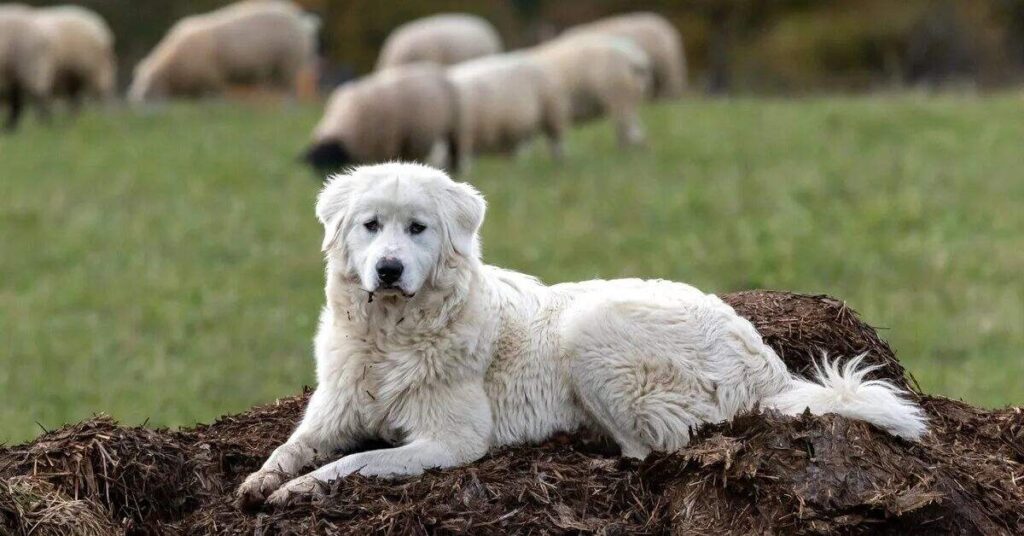
The maremma sheepdog temperament is unlike most family dog breeds. This dog was never bred to please people constantly. It was bred to think for itself and make decisions without waiting for commands.
This independence can surprise new owners. A maremma sheepdog may ignore a command if it conflicts with what the dog believes is right in that moment. It is not stubbornness for its own sake. It is a dog trusting its own judgment, exactly as generations of shepherds needed it to.
With family, this breed tends to be calm, gentle, and deeply loyal. Many Maremmas bond closely with children and treat them as part of the flock they protect. They often lean into loved ones during quiet moments, showing surprising softness for such a large, tough dog.
Strangers are a different story. This breed is naturally cautious and reserved around unfamiliar people. Without proper socialization, that caution can turn into overprotective or territorial behavior.
The maremma sheepdog also has a strong guarding instinct. It patrols boundaries, barks to announce its presence, and stays alert, especially at night when predators are most active. This behavior is completely natural for the breed, though it needs management in a home setting.
Owners who understand and respect this instinct usually build a trusting, rewarding relationship with their dog.
Read about it more:https://a-z-animals.com/animals/maremma-sheepdog/
Training and Socialization Needs
Training a maremma sheepdog requires patience and a different mindset than training breeds like retrievers or collies. This dog is highly intelligent, but intelligence does not mean obedience.
Early socialization is the single most important step for this breed. Puppies should meet a wide range of people, sounds, animals, and environments as soon as vaccinations allow. This early exposure teaches the dog what counts as normal, everyday activity versus a genuine threat.
Firm, consistent, and positive training works best. Harsh methods tend to backfire with this breed, increasing distrust rather than obedience. Short, calm training sessions focused on manners, boundaries, and leash behavior are far more effective than long drills aimed at strict command obedience.
Because this breed makes independent decisions, recall training deserves extra attention. A Maremma allowed to roam off leash without solid recall may wander far from home while patrolling its territory.
Crate training also helps puppies feel secure and gives them a defined space of their own. This can reduce anxiety and make handling easier during vet visits or travel.
Consistency matters more than intensity with this breed. A calm, confident owner who sets clear boundaries will earn far more trust than one who relies on pressure or punishment.
With the right approach, a maremma sheepdog becomes a devoted, well-mannered companion despite its independent streak.
Exercise, Living Space and Environment
Despite their size, maremma sheepdog dogs do not need intense exercise like sporting breeds. They were bred to patrol slowly and steadily, not to sprint or fetch for hours.
Most Maremmas do well with 45 to 60 minutes of daily walking or secure outdoor time. Long, calm walks suit them better than high-energy games. Many enjoy hiking alongside their owners and make excellent companions for slower, longer outdoor adventures.
Living space matters just as much as exercise for this breed. A maremma sheepdog is not suited to apartment living or small yards. This dog needs room to patrol and a secure, well-fenced property to prevent roaming.
Rural or semi-rural homes tend to suit this breed best. Farms, hobby properties, and large fenced yards give the dog the space and purpose it naturally craves. Without enough room or a job to focus on, a Maremma may become bored, which can lead to digging, barking, or attempts to escape and patrol beyond its boundary.
This breed also does not cope well with long periods of isolation in small spaces. It thrives on having a role, whether that means guarding livestock, watching over a family property, or simply patrolling a large garden.
Matching this breed to the right environment from the start prevents most behavior problems before they begin.
Grooming and Coat Care
The thick white coat of a maremma sheepdog is beautiful, but it demands real commitment. This breed sheds heavily, especially during seasonal coat changes in spring and autumn.
Regular brushing is essential to prevent mats and tangles. Most owners brush their Maremma two to three times a week, increasing to daily brushing during heavy shedding seasons. This keeps the undercoat from matting against the outer coat.
Interestingly, the coat is naturally somewhat self-cleaning. Mud and dirt often dry and simply brush out, which means Maremmas do not need frequent baths. Bathing every six to eight weeks, or when the dog is visibly dirty, is usually enough.
Beyond brushing, routine care includes checking ears for dirt or debris, trimming nails monthly, and brushing teeth regularly. Dogs that spend a lot of time outdoors should also be checked for burrs, ticks, and grass seeds caught in their thick coat.
Here is a simple grooming schedule to follow.
| Grooming Task | Recommended Frequency |
| Brushing | 2 to 3 times weekly, daily when shedding |
| Bathing | Every 6 to 8 weeks |
| Nail trimming | Monthly |
| Ear checks | Weekly |
| Tick and burr checks | After outdoor time |
Staying consistent with grooming does more than keep the coat looking good. It also gives owners a chance to spot skin irritation, ticks, or early signs of health issues.
Common Health Issues
Overall, maremma sheepdog dogs are considered a fairly healthy breed with a typical lifespan of 11 to 13 years. Still, like most large breeds, they face a few health risks worth watching.
Hip and elbow dysplasia are among the most common concerns. This condition affects joint development and can lead to discomfort or mobility issues later in life. Choosing a breeder who screens parent dogs for hip health, along with maintaining a healthy weight during puppyhood, helps lower this risk.
Bloat, also known as gastric dilatation-volvulus, is another concern for deep-chested breeds like this one. Feeding smaller, more frequent meals and avoiding heavy exercise right after eating can help reduce this risk.
Eye conditions such as entropion, where the eyelid turns inward, also appear in some Maremmas. Regular eye checks with a vet can catch this early.
Routine veterinary visits, a balanced diet, and steady exercise all play a role in keeping this breed healthy well into its senior years. Responsible breeding practices also make a real difference, so choosing a breeder who tests for common conditions is a smart step for future owners.
Feeding and Nutrition
A large, active breed like the maremma sheepdog needs a diet that supports muscle, joints, and coat health. Quality matters more than quantity here.
Puppies typically need two to three meals a day using a balanced large-breed puppy formula. Controlled growth is important during this stage, since rapid weight gain can strain developing joints and increase the risk of hip dysplasia.
Adult Maremmas usually do well on two meals a day rather than one large meal, which also helps reduce bloat risk. Portion sizes depend on the dog’s weight, age, and activity level, so checking with a vet is the best way to set an accurate feeding plan.
Look for food with strong protein content, healthy fats for coat condition, and added joint support such as omega-3 fatty acids. Fresh water should always be available, especially for a breed that spends a lot of time outdoors and stays physically active while patrolling.
Avoiding overfeeding is just as important as choosing quality food. Keeping this breed lean, especially while young, protects their joints and supports a longer, healthier life.
Maremma Sheepdogs With Children and Other Pets
Families often wonder if a maremma sheepdog can safely live with children and other animals. The answer is generally yes, with the right upbringing.
This breed tends to be gentle, patient, and even affectionate with children it grows up around. Many Maremmas treat kids much like they would treat young livestock, staying close and watchful during play. However, supervision remains important, especially with visiting children the dog does not know well.
With other pets, this breed often does very well, particularly with livestock like sheep, goats, and poultry. Their low prey drive toward animals they are raised with makes them excellent companions on farms with multiple species.
Introducing a Maremma to unfamiliar dogs requires more care. This breed can be assertive or territorial with strange dogs, especially of the same sex. Slow, controlled introductions and consistent supervision help prevent conflict.
The key theme across all these relationships is early exposure. A maremma sheepdog raised around children, other pets, and varied situations from puppyhood grows into a far more balanced and predictable adult dog.
Is a Maremma Sheepdog Right for You
Before bringing home a maremma sheepdog, it helps to honestly consider your lifestyle. This breed suits a specific type of owner and home far better than others.
Ideal owners have experience with independent or working breeds. They also have access to a secure, spacious property, ideally rural or semi-rural, where the dog can patrol safely. Families who want a calm, structured household with consistent training routines tend to succeed with this breed.
On the other hand, first-time dog owners, apartment dwellers, and those seeking a highly obedient off-leash companion may find this breed challenging. The independent nature that makes Maremmas excellent guardians can frustrate owners expecting quick, eager obedience.
If you can offer space, patience, early socialization, and respect for this dog’s natural instincts, a maremma sheepdog can become an incredibly loyal and rewarding companion. This breed rewards understanding owners with steady devotion that lasts a lifetime.
Conclusion
The maremma sheepdog is far more than a pretty white coat and a calm expression. It carries thousands of years of working history, built entirely around loyalty, protection, and quiet independence.
This breed is not for every household, but for the right owner, it offers an unmatched bond. Whether guarding a flock in the Italian hills or watching over a family on a quiet rural property, this dog’s purpose remains the same: protect what it loves without ever needing to be asked twice.
If you value wildlife, farm life, and dogs with real character, the maremma sheepdog deserves a spot on your list of remarkable guardian breeds.
Frequently Asked Questions
Is a Maremma Sheepdog good for a family?
Yes, a maremma sheepdog can be a wonderful family dog when properly socialized. They are gentle and protective with their own children but naturally cautious around strangers.
Do Maremma Sheepdogs bark a lot?
Yes, barking is part of their natural guarding instinct. They bark to alert their family of anything unusual, though early training can help manage excessive barking.
Are Maremma Sheepdogs the same as Great Pyrenees?
No, they are different breeds. Both share a similar guardian role and white double coat, but the maremma sheepdog comes from Italy while the Great Pyrenees originates from the Pyrenees mountains between France and Spain.
How much exercise does a Maremma Sheepdog need?
This breed generally needs 45 to 60 minutes of daily walking or secure outdoor activity. They prefer steady, calm movement over high-intensity exercise.
Can a Maremma Sheepdog live in an apartment?
It is not recommended. A maremma sheepdog needs space to patrol and a secure yard, making rural or semi-rural homes a much better fit than apartments.
