

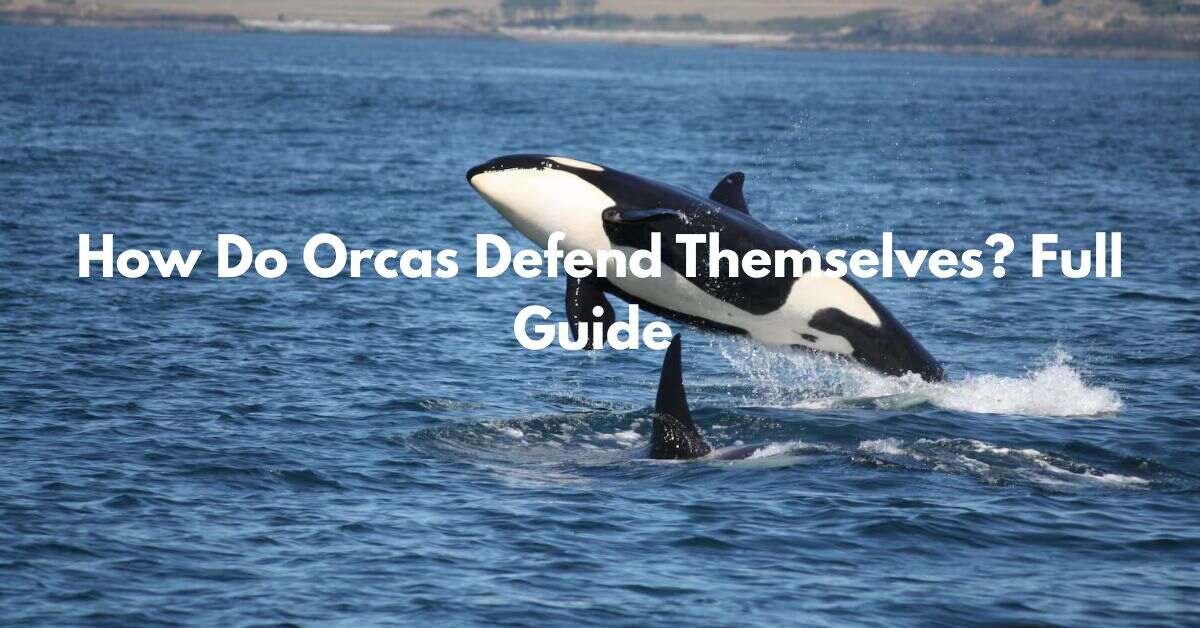
Imagine being the most feared predator in the ocean. You have no natural enemies. Nothing dares to challenge you. Yet, you still have powerful tools built into your body and behavior to protect yourself and your family.
That is the world of the orca.
Orcas, also known as killer whales, sit at the very top of the ocean food chain. They are apex predators, which means no other animal naturally hunts them. But that does not mean they are completely free from danger.
So how do orcas defend themselves?
The answer is fascinating. Orcas use a smart mix of physical strength, sharp intelligence, tight family bonds, and advanced communication to stay safe. They do not just react to danger. They prepare for it, work together against it, and sometimes even outsmart it.
In this guide, we take a deep look at every way orcas protect themselves, their young, and their pods.
Do Orcas Have Any Natural Predators?
Before we explore how do orcas defend themselves, it helps to understand what they are actually defending against.
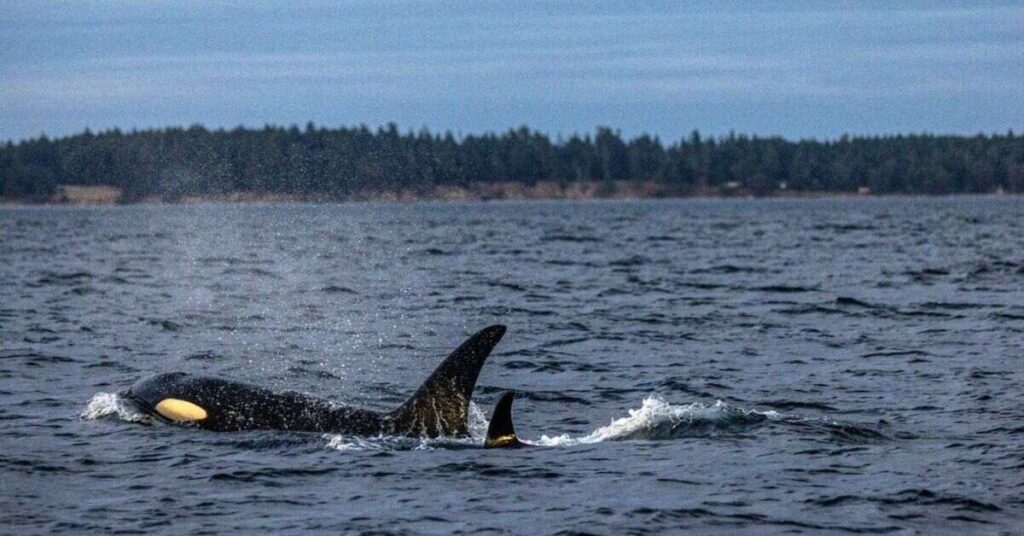
Orcas have no natural predators in the wild. No shark, no whale, and no other ocean creature regularly hunts them. They are the top of the food chain in every ocean on the planet.
However, that does not mean they face zero threats.
Young orcas, called calves, can sometimes be vulnerable. Older or sick orcas may face challenges. And the biggest modern threats to orcas do not come from other animals at all. They come from humans, pollution, and climate change.
Even without natural predators, orcas have developed strong defense systems over millions of years. These systems help them handle unexpected situations, protect their calves, and survive in changing ocean conditions.
How Do Orcas Defend Themselves Using Physical Strength?
One of the most obvious answers to how do orcas defend themselves is simply their size and physical power.
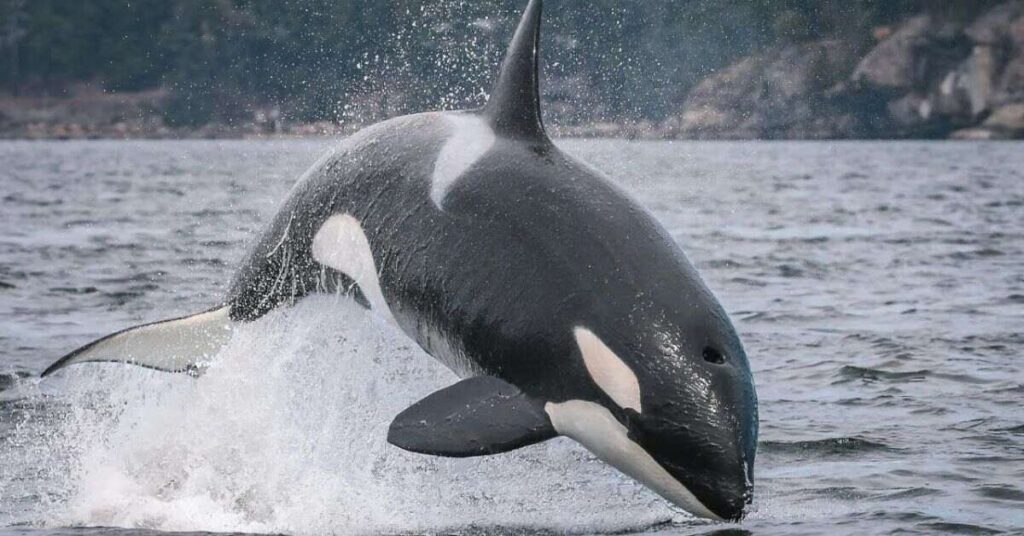
Adult orcas are massive animals. They can grow between 20 to 26 feet in length. They can weigh anywhere from 6,000 to 11,000 pounds. That is heavier than most trucks on the road.
This size alone is enough to discourage most threats.
But size is only part of the picture. Orcas also have powerful, muscular bodies that move with surprising speed and agility. They can swim up to 34 miles per hour in short bursts. That makes them one of the fastest large marine animals in the ocean.
Their strong tail fins, called flukes, can deliver devastating blows. A single swipe of an orca’s tail can cause serious injury to any animal that gets too close. Orcas use this tail power both when hunting and when they feel threatened.
Their teeth are another major physical defense. Orca teeth are large, interlocking, and incredibly strong. They are designed to grip and tear. While orcas use their teeth mainly for hunting, they can also use them to defend themselves or their pod members if needed.
| Physical Feature | Role in Defense |
| Large body size | Intimidates potential threats |
| Powerful tail flukes | Delivers strong defensive blows |
| Sharp teeth | Used for gripping and as a last-resort defense |
| High swim speed | Allows quick escape or pursuit |
| Muscular build | Provides raw strength in confrontations |
How Do Orcas Defend Themselves Through Echolocation?
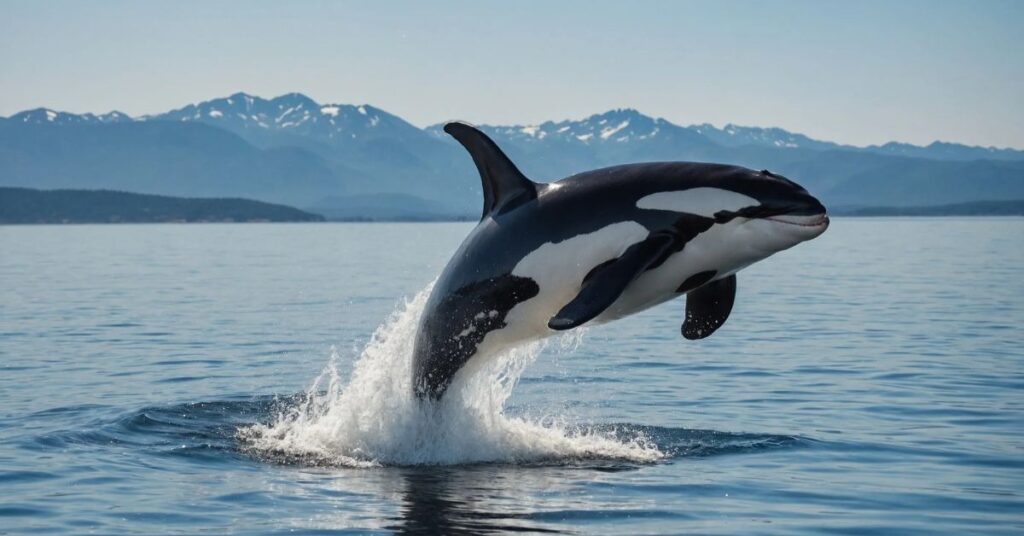
Physical strength is important, but orcas are also brilliant animals. One of their greatest defensive tools is something you cannot even see. It is echolocation.
Orcas produce clicks and high-frequency sounds from a special organ in their head called the melon. These sounds travel through the water and bounce off objects around them. The returning echoes tell the orca everything it needs to know.
How far away is that object? What size is it? Is it moving? Which direction is it heading?
Echolocation works like a biological sonar system. It allows orcas to “see” their environment even in dark or murky water. They can detect other animals, underwater obstacles, and potential dangers from a great distance.
This gives orcas a serious advantage. They know about a threat long before it knows about them. They can change course, alert their pod, or position themselves safely before any direct confrontation takes place.
Early detection is often better than physical defense. And orcas are masters of it.
The Power of the Pod: How Social Bonds Protect Orcas
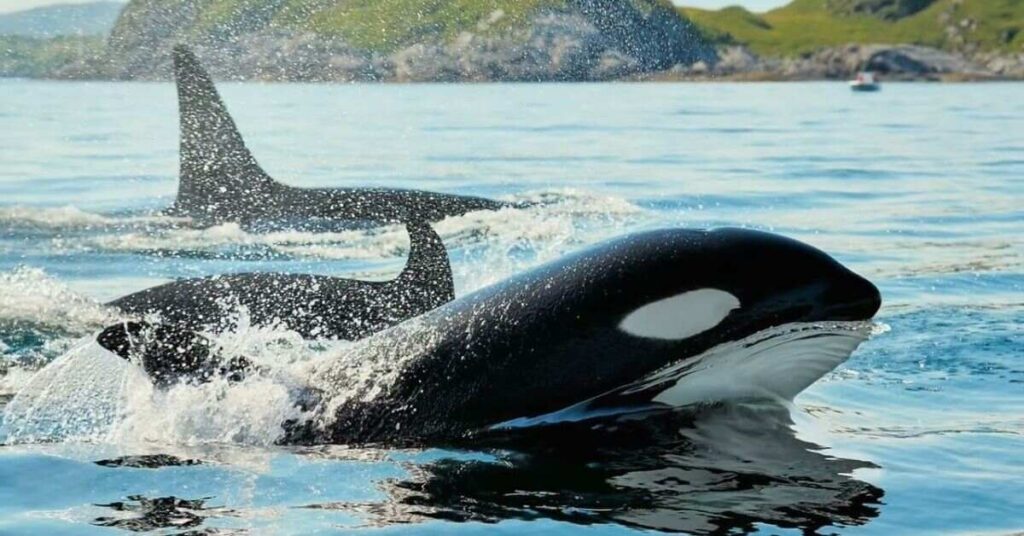
Ask any wildlife expert how do orcas defend themselves, and they will almost certainly mention the pod.
Orcas are deeply social animals. They live in close family groups called pods. These pods can range from just a few individuals to more than 40 members. Every orca in a pod has a role, and one of the most important roles is protection.
When danger appears, the pod acts as a single unit.
Older and larger orcas move to the outside of the group. They place themselves between the threat and the more vulnerable members. Young calves and injured individuals move to the center of the pod, where they are shielded on all sides.
This formation is not random. It is a practiced, coordinated response that pods repeat instinctively. It shows just how advanced orca social behavior really is.
Pods also work together to respond to threats actively. Multiple orcas can circle, charge, or use noise to drive away a perceived danger. This group action makes the pod far more powerful than any single orca could be alone.
Scientists have even observed that orca pods remember threats. If a certain boat, location, or situation caused problems before, orcas avoid it in the future. Their memory is long, and their learning is fast.
Orca Communication: Vocal Defense in Action
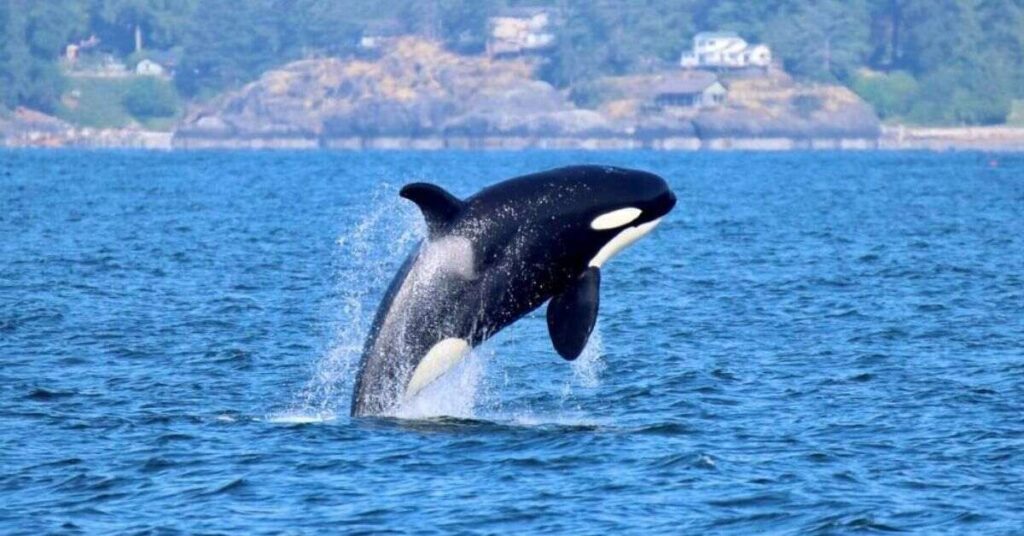
Orcas are among the most vocal animals on Earth. They use a wide range of clicks, whistles, and calls to communicate with each other. These sounds travel far through the ocean and carry a lot of information.
When one orca detects something unusual or threatening, it sends out specific calls. Other pod members hear these calls and respond immediately. The entire group can shift behavior within seconds based on a single vocal alert.
Each orca pod has its own unique set of calls, known as a dialect. Pod members learn these calls from birth. This means orcas can instantly tell whether a sound comes from their own family or from strangers.
This communication system is a key part of how do orcas defend themselves. It allows the pod to coordinate without hesitation. There is no confusion about what to do. Every member knows the signal, and every member responds.
Research has also found that orcas can mimic sounds, including sounds made by other animals and even boats. This ability may help them gather information about their surroundings or communicate in new ways.
How Orcas Protect Their Young
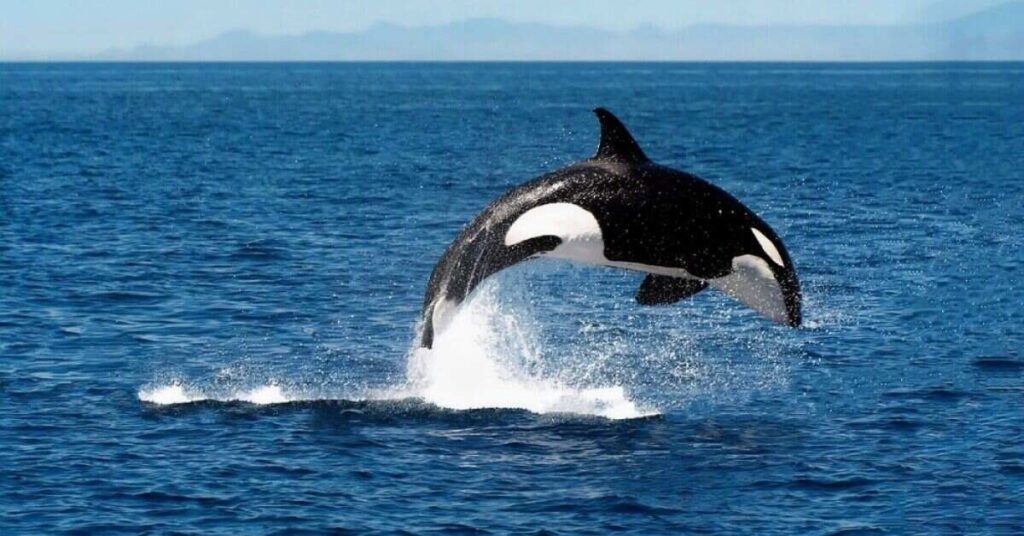
Calves are the most vulnerable members of any orca pod. They are small, slow, and still learning. Protecting them is one of the pod’s highest priorities.
Mother orcas stay extremely close to their calves. In the first months of life, a calf rarely leaves its mother’s side. The mother positions herself between her calf and any perceived threat at all times.
The wider pod also plays a role. Allomothering, where other females in the pod help care for a calf, is common in orca groups. This means more experienced adults are always nearby, watching and protecting.
If a threat approaches, the pod tightens immediately. Adults form a ring around the calves, facing outward. Their powerful tails point toward the threat. Anyone who tries to break through that ring faces multiple large, aggressive orcas.
This level of group protection makes it extremely difficult for any outside animal to target a calf.
Intimidation and Bluffing as a Defense Strategy
Not every defense has to be physical. Orcas also use intimidation as a powerful tool.
When an orca feels threatened or wants to warn another animal away, it may perform what is called a spy hop. This is when the orca rises vertically out of the water, lifting its head high to look around and be seen. It is a visible display of size and awareness.
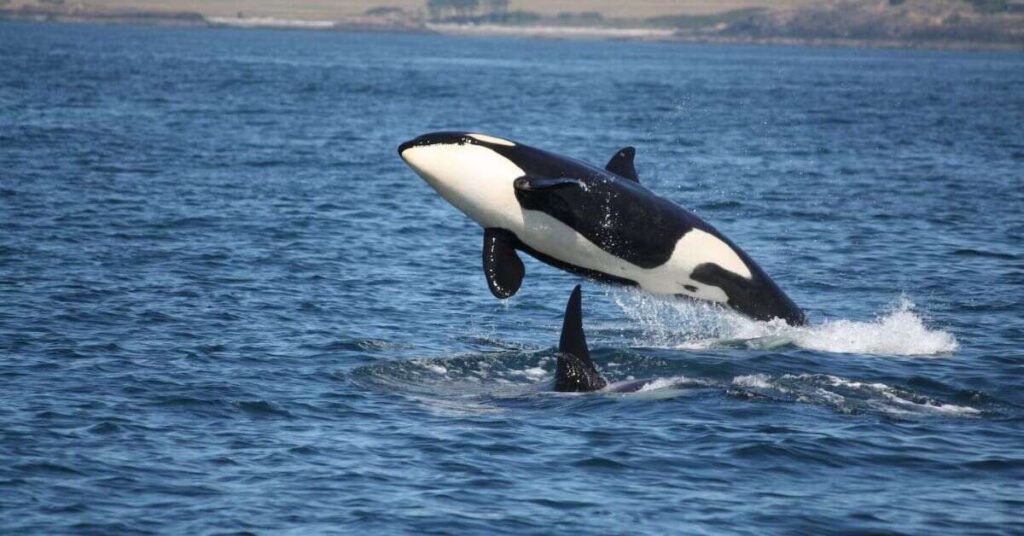
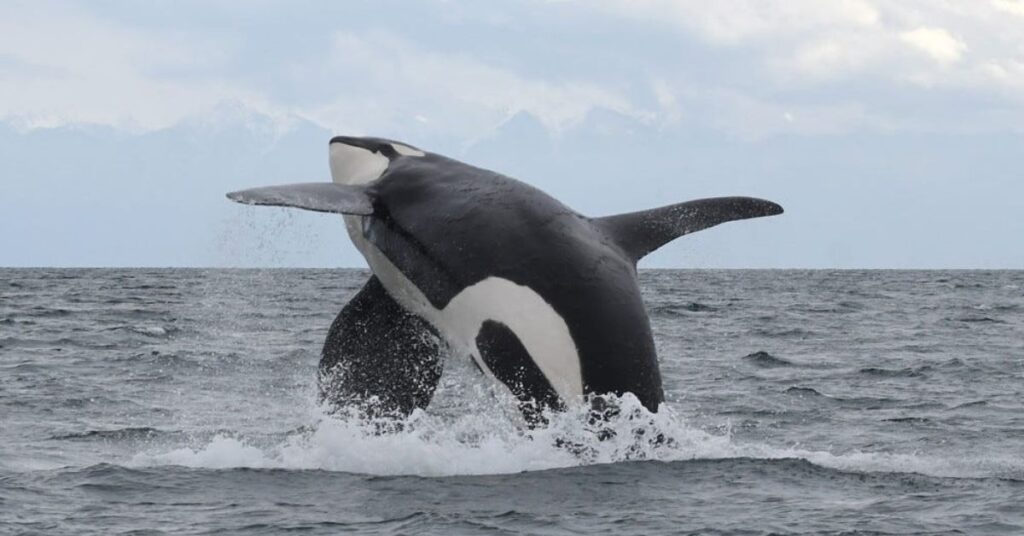
Orcas also breach, launching their massive bodies out of the water and crashing back down. This creates a huge splash and a loud noise. For many animals, just seeing and hearing a breaching orca is enough to leave the area.
Tail slapping is another intimidation behavior. The orca smacks its tail flat against the water surface, producing a sharp, loud crack. This sound carries far underwater and above water alike. It sends a clear message: back off.
These behaviors cost the orca very little energy but communicate a great deal. They are smart, efficient ways to resolve a potential conflict without physical contact.
Threats That Orcas Cannot Fully Defend Against
Despite all their strengths, there are threats that even orcas struggle to handle. Understanding these threats helps explain why orca conservation is so important.
Noise pollution from ships and sonar disrupts orca communication and echolocation. When the ocean becomes too loud, orcas cannot hear each other or navigate properly. Their most powerful tools become less effective.
Chemical pollution, including PCBs and other toxins, builds up in orca blubber over time. These chemicals weaken the immune system, affect reproduction, and reduce overall health. A weakened orca is a less capable defender.
Food shortages caused by overfishing and climate change mean orcas must travel further for less food. Hungry orcas are weaker orcas. Their physical and mental performance drops.
Entanglement in fishing gear is a serious danger, especially for young orcas that have not yet learned to avoid nets and lines.
These threats remind us that even the ocean’s greatest defenders need help sometimes.
Interesting Facts About Orca Defense Behavior
There is always more to learn about how do orcas defend themselves. Here are some remarkable facts that show just how clever these animals really are.
Humpback whales have been observed rushing toward orca hunting groups, making loud trumpeting sounds, and swimming directly into pods to disrupt their activity. Scientists believe this behavior may happen partly because humpbacks recognize orcas as a threat to their own calves, so they respond even when orcas are targeting other animals entirely.
Some orca populations have developed highly specific hunting strategies that also double as defensive techniques. The B1 orcas of Antarctica, for example, create underwater shockwaves to knock prey off ice floes. This same technique could be used to disorient or push away a threat.
Orcas have also been observed responding to boats in unusual ways. Some researchers believe this behavior is a response to stress caused by human activity. It shows that orcas are aware of and react to changes in their environment.
Why Orca Defense Strategies Matter for Conservation
Understanding how do orcas defend themselves is not just fascinating. It is also deeply relevant to conservation.
Orcas are a keystone species. They regulate prey populations and keep marine ecosystems in balance. When orca populations decline, entire ocean food webs are affected.
Their defense mechanisms, especially their reliance on pod communication and social structure, make them vulnerable to disruptions. Anything that breaks up a pod, silences their communication, or reduces their food supply weakens their ability to survive and thrive.
Protecting orcas means protecting the ocean systems that all life depends on.
We can help by supporting clean ocean initiatives, reducing plastic and chemical pollution, advocating for sustainable fishing practices, and choosing responsible wildlife tour operators who follow safe whale-watching guidelines.
Conclusion
So how do orcas defend themselves? They use strength, teamwork, intelligence, and communication. These traits make them powerful and smart animals.
Orcas are not just predators. They are also careful and strategic. They protect each other and adapt to challenges.
Learning about how do orcas defend themselves helps us understand the beauty of wildlife. It also shows why conservation is important.
Frequently Asked Questions
How do orcas defend themselves from sharks?
Orcas use teamwork and strength. They may chase sharks away or attack together. Sharks usually avoid them.
Do orcas have natural predators?
Orcas have very few natural predators. They are at the top of the food chain.
How do orcas protect their babies?
Adults surround calves in the pod. They keep them safe in the center of the group.
Can orcas defend themselves from humans?
Orcas try to avoid humans. They change their behavior to stay safe, but human threats still affect them.
Why are orcas so hard to attack?
Their size, speed, intelligence, and teamwork make them very difficult targets.
