

Introduction
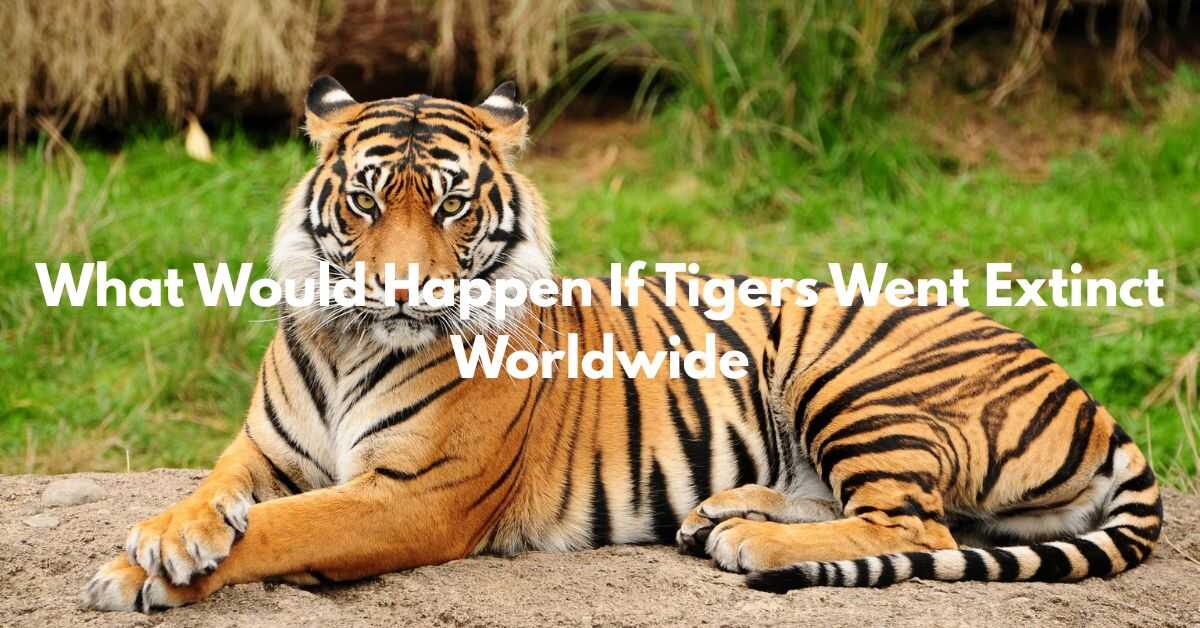
Tigers are one of the most powerful and beautiful animals on Earth.Asia is home to forests, grasslands, and mangroves where they live. Many people admire them for their strength, hunting skill, and bright orange coat. But tiger numbers have fallen fast in the last century. Habitat loss, hunting, and illegal wildlife trade continue to threaten their survival.
Many people ask what would happen if tigers went extinct. This question matters because tigers are not just another animal. The role they play in maintaining the balance of nature cannot be overstated. When a top predator disappears, the whole ecosystem can change. Forests, rivers, and other animals may suffer.
Understanding what would happen if tigers went extinct helps us see why wildlife protection is important. It also shows how deeply connected animals, plants, and humans are. Let us explore how tiger extinction could affect ecosystems, prey populations, forests, and people.
The Role of Tigers in the Ecosystem
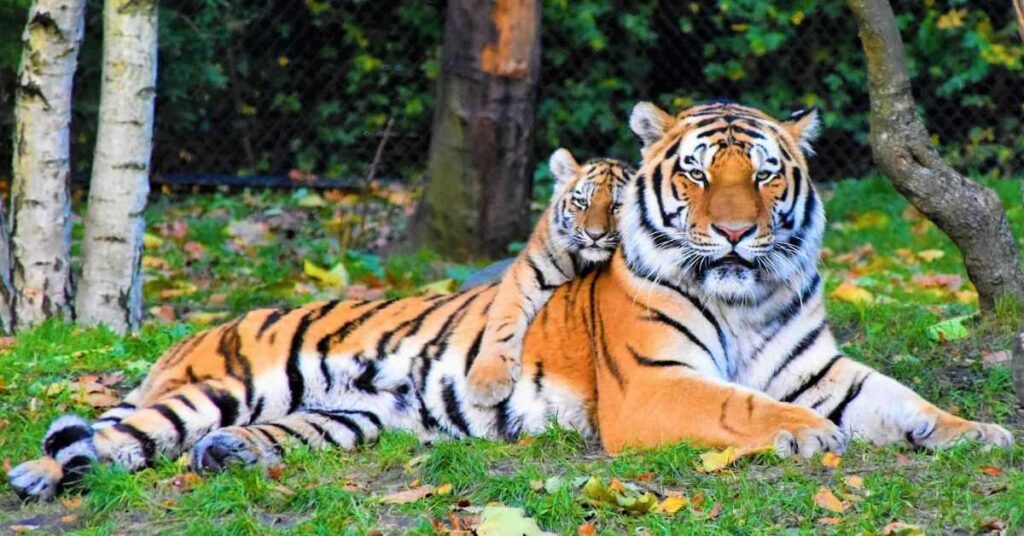
In the food chain, tigers are at the top. Scientists call them apex predators. This means they control the number of herbivores such as deer and wild boar. When tigers hunt, they usually target weak or sick animals. This keeps prey populations healthy and prevents overgrazing.
If we think about what would happen if tigers went extinct, the first change would appear in prey numbers. Without tigers, herbivore populations could grow very fast. More animals would eat more grass, leaves, and young trees. Over time, this heavy feeding could damage forests and grasslands.
Healthy forests support birds, insects, and small mammals. They also store carbon and help control climate. By protecting forests, tigers indirectly protect many other species. Their presence keeps nature stable. When they vanish, this balance weakens, and the ecosystem may slowly decline.
Impact on Prey Animals and Food Chains
One major effect of tiger extinction would be an increase in prey animals. Deer, antelope, and wild pigs could multiply quickly. At first, this may sound positive. More animals seem like a good thing. But nature needs balance to survive.
If we look closely at what would happen if tigers went extinct, we see that too many herbivores can harm their own environment. They would eat young plants before they grow. Forest regeneration would slow down. Grasslands could turn into dry and damaged land.
When plants disappear, smaller animals lose food and shelter. Insects decline. Birds move away. This creates a chain reaction across the food web. Even predators such as leopards or wild dogs may struggle if habitats degrade. So tiger extinction would not only affect one species. It could reshape entire wildlife communities.
Effects on Forest Health and Biodiversity
Tigers help forests stay strong and diverse. By controlling grazing animals, they allow plants to grow naturally. Trees, shrubs, and grasses develop in healthy numbers. This supports rich biodiversity.
To understand what would happen if tigers went extinct, imagine forests without natural control on herbivores. Overgrazing would reduce plant cover. Soil would become loose and dry. Rain could wash soil away more easily. Rivers might fill with sediment.
Poor forest health affects many species. Monkeys lose trees. Birds lose nesting areas. Small mammals lose hiding places. Plant diversity also drops. When biodiversity falls, ecosystems become weaker and less able to recover from drought, fires, or disease.
Protecting tigers therefore protects forests and the countless species that live inside them. Tigers act as a natural shield for biodiversity.
Read about it more:https://www.wildlifenomads.com/blog/are-tigers-endangered-animals/
Consequences for Local Communities and Humans
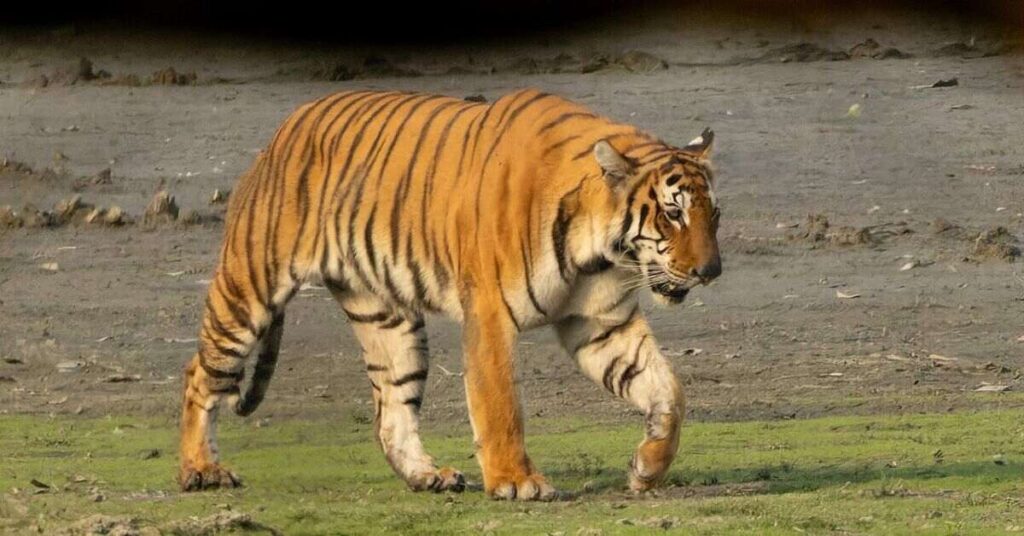
Tiger extinction would also affect humans. Many communities live near tiger habitats. These forests provide clean water, wood, medicine plants, and food sources. When forests decline, local people feel the impact first.
Thinking about what would happen if tigers went extinct also means looking at tourism. Wildlife tourism brings income to many regions in Asia. People travel long distances hoping to see a tiger in the wild. This tourism supports local jobs such as guides, drivers, and hotel workers.
If tigers disappeared, tourist interest could fall. Local economies might suffer. Governments could lose funds used for conservation and park protection. This could lead to more forest clearing and illegal hunting, creating a harmful cycle.
Tigers also act as umbrella species. When we protect tiger habitats, we protect water systems and forests that humans depend on. Saving tigers therefore supports both nature and human wellbeing.
Characteristics of Big Cats
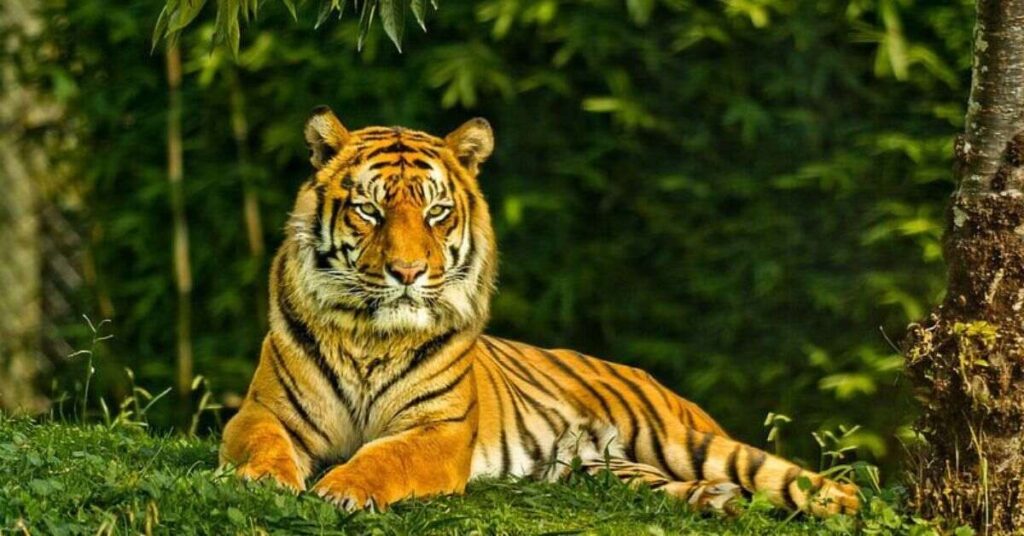
Big cats are strong, fast, and skilled hunters. They have powerful muscles and sharp claws that help them catch prey. Their teeth are long and made for tearing meat. Most big cats have excellent night vision, so they can hunt in low light. They move quietly and use stealth to get close to their target. Their bodies are built for speed, balance, and sudden jumps.
Big cats also have unique patterns and colors that help them hide in nature. Tigers have stripes, leopards have spots, and lions have sandy fur that blends with dry grass. Many big cats live alone and protect their territory. They communicate through sounds, scent marks, and body signals. These traits help them survive in forests, grasslands, and mountains around the world.
Physical Appearance and Coat of Tigers
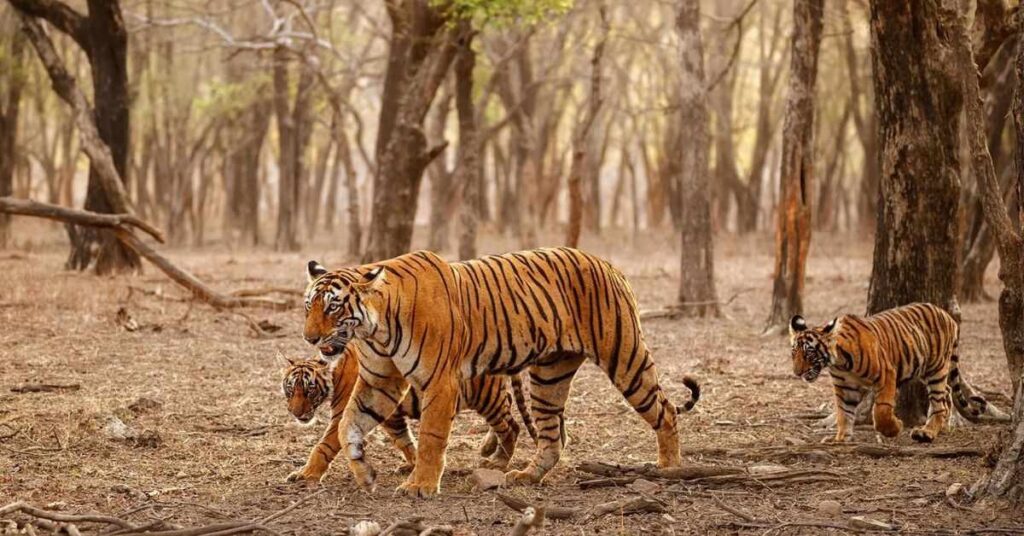
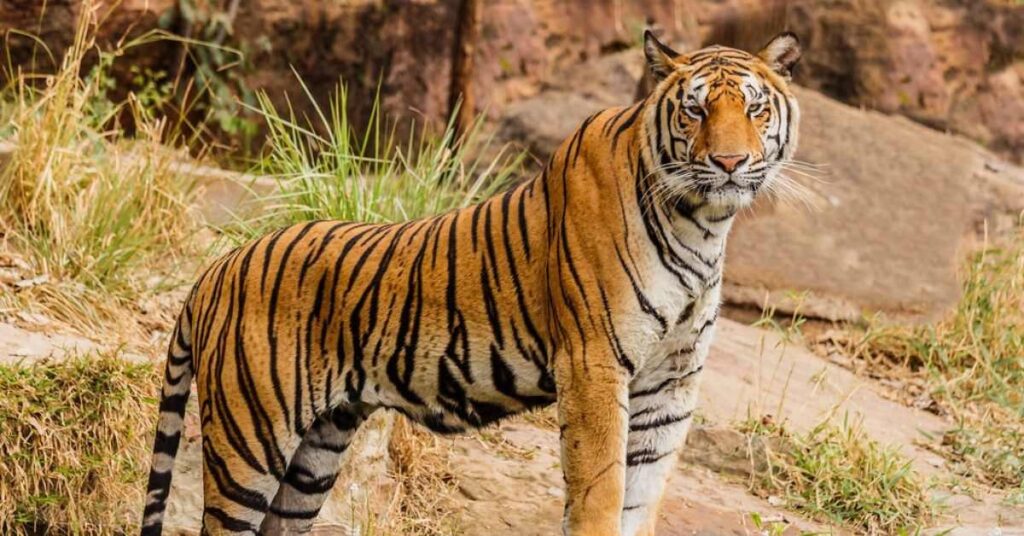
Tigers are large and powerful animals with strong bodies and long tails. They have broad heads, sharp teeth, and bright eyes that help them hunt. Their legs are muscular, which allows them to run fast and jump far. Male tigers are usually bigger than females. Their paws are wide and soft, so they can walk quietly while stalking prey.
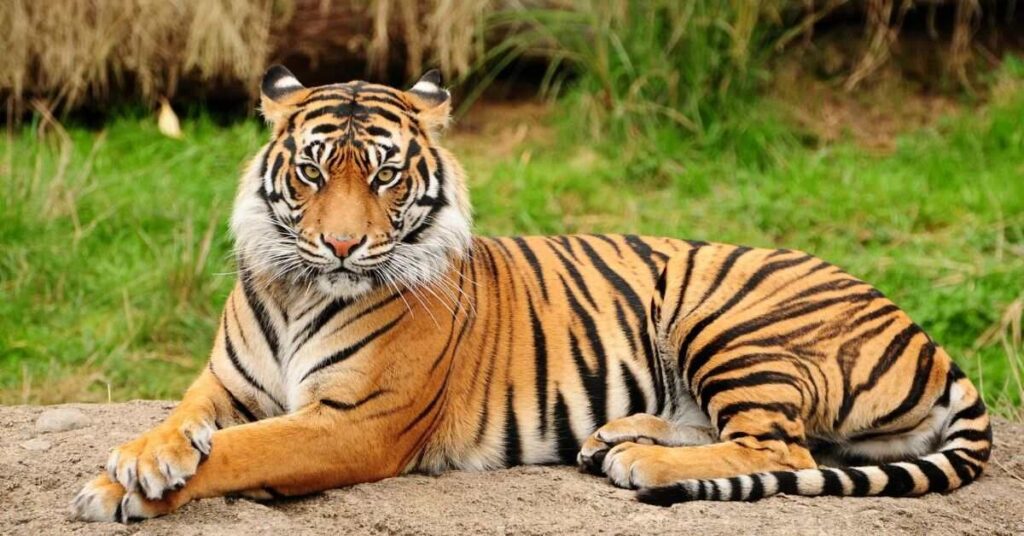
A tiger’s coat is orange with black stripes and a white belly.Similar to human fingerprints, each tiger has a unique stripe pattern. The stripes help them blend into tall grass and forest shadows. This natural camouflage helps them hide while hunting. Their thick fur also protects them from cold weather in some regions.
How Many Tigers Are Left in the Wild?
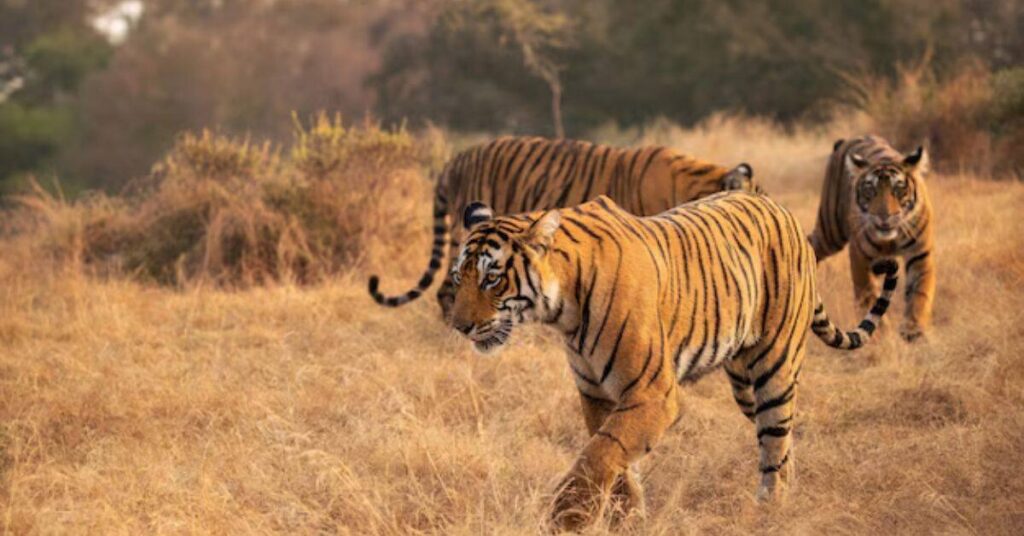
There are only a few thousand tigers left in the wild today. Experts estimate that around 5,000 wild tigers survive across Asia. These tigers live in countries like India, Nepal, Bhutan, Russia, and Indonesia. Most of them are found in protected forests and national parks. India has the largest number of wild tigers in the world.
Tiger numbers once dropped very low because of hunting and habitat loss. Forests were cut down, and illegal poaching reduced their population. In recent years, conservation programs have helped increase tiger numbers in some areas. Governments and wildlife groups now protect tiger habitats and stop illegal trade. Even with this progress, tigers remain endangered and still need strong protection to survive.
Why Tigers Are Endangered Today
To fully understand what would happen if tigers went extinct, we must know why they are at risk. Habitat loss is the biggest threat. Forests are cleared for farms, roads, and cities. This reduces the space tigers need to hunt and breed.
Poaching is another serious danger. Some people hunt tigers for their skin, bones, or other body parts used in illegal trade. Human wildlife conflict also increases as people move closer to tiger areas. When prey becomes scarce, tigers may attack livestock, leading to retaliation.
Climate change also affects tiger habitats, especially mangrove forests such as the Sundarbans. Rising sea levels and storms can damage these ecosystems.
These threats show that tiger survival depends on strong conservation efforts and public awareness.
What Conservation Efforts Can Prevent Tiger Extinction
The future of tigers is not hopeless. Many conservation programs have shown success. Protected national parks give tigers safe space to live and hunt. Anti poaching patrols help reduce illegal hunting. Wildlife corridors connect forests so tigers can move safely between habitats.
If we care about what would happen if tigers went extinct, we must support these actions. Governments, wildlife groups, and local communities all play a role. Education programs teach people why tigers matter. Sustainable farming reduces pressure on forests.
Individuals can help by supporting conservation organizations, spreading awareness, and avoiding products linked to wildlife trade. Small actions from many people can create big change.
Saving tigers means saving ecosystems, forests, and biodiversity for future generations.
Table: Key Impacts If Tigers Went Extinct
| Area | Possible Impact |
| Ecosystem balance | Herbivore populations increase and disturb food chains |
| Forest health | Overgrazing reduces plant growth and damages soil |
| Biodiversity | Many species lose habitat and food sources |
| Local economy | Wildlife tourism declines and jobs may be lost |
| Human wellbeing | Forest resources and water systems become less stable |
Conclusion
Tigers are more than symbols of strength. They are guardians of the ecosystems they live in. Asking what would happen if tigers went extinct helps us understand how nature works as a connected system. Without tigers, prey numbers could rise, forests could weaken, and biodiversity could fall. Local communities and economies might also suffer.
Protecting tigers is therefore not just about saving one animal. It is about protecting forests, wildlife, and human livelihoods. Conservation efforts have already helped increase tiger numbers in some regions. With continued support, awareness, and responsible environmental choices, we can ensure that tigers continue to roam the wild.
When we save tigers, we help protect the balance of nature itself.
FAQs
What would happen if tigers went extinct in the wild?
If tigers went extinct in the wild, prey populations would likely grow too large, forests could degrade, and ecosystem balance would weaken, affecting many species and human communities.
Why are tigers important to the ecosystem?
Tigers control herbivore populations, protect forests from overgrazing, and support biodiversity. Their presence keeps ecosystems stable and healthy.
How many tigers are left in the world?
There are only a few thousand wild tigers left today. Conservation programs have helped increase numbers in some countries, but they remain endangered.
Can tiger extinction still be prevented?
Yes. Strong habitat protection, anti poaching action, and public awareness can help ensure tigers survive and recover in the wild.
