

Introduction
Manta rays are among the most graceful creatures in the ocean. Their wide wings, calm nature, and smooth movement attract divers and wildlife lovers from across the world. Many people dream of swimming beside these gentle giants at least once in their life.
Finding the right manta ray location makes this dream possible. Manta rays travel through warm oceans and gather in specific places where food is rich and water conditions suit them. Knowing these locations helps travelers plan better trips and increases the chance of seeing manta rays in their natural habitat.
This guide explains where manta rays live, the best countries to visit, and how to choose the perfect manta ray location for your adventure. You will also learn helpful tips for responsible wildlife viewing and protecting these amazing animals.
Where Manta Rays Live in the World
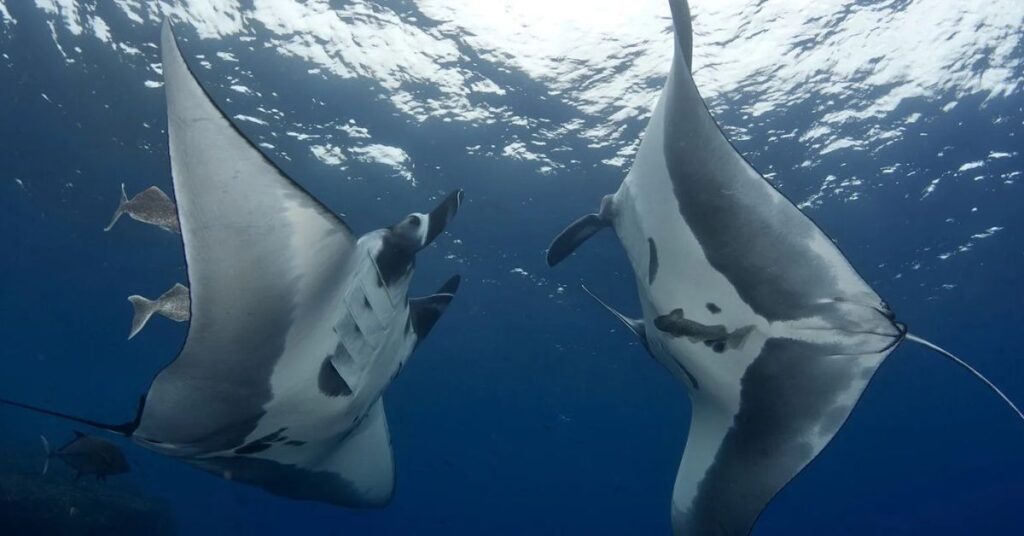
Manta rays live in tropical and subtropical oceans. They prefer warm water and often stay near coral reefs, islands, and coastal cleaning stations. These cleaning stations are areas where small fish remove parasites from the manta rays. Because manta rays visit these spots often, they become reliable manta ray location choices for divers.
There are two main types of manta rays. Reef manta rays usually stay near coastlines and reefs. Oceanic manta rays travel long distances across open seas. Both types need plankton rich waters for food, so they appear more often in places where currents bring nutrients.
You can find a manta ray location in the Pacific Ocean, Indian Ocean, and parts of the Atlantic. Regions close to the equator offer the highest chance of sightings. Clear water and stable temperatures make these areas ideal for manta ray gatherings. Understanding their habitat helps travelers focus on destinations where sightings are more predictable.
Top Countries Known for the Best Manta Ray Location
Several countries stand out as famous manta ray location hotspots. These places offer regular sightings, healthy marine ecosystems, and safe diving conditions.
Indonesia
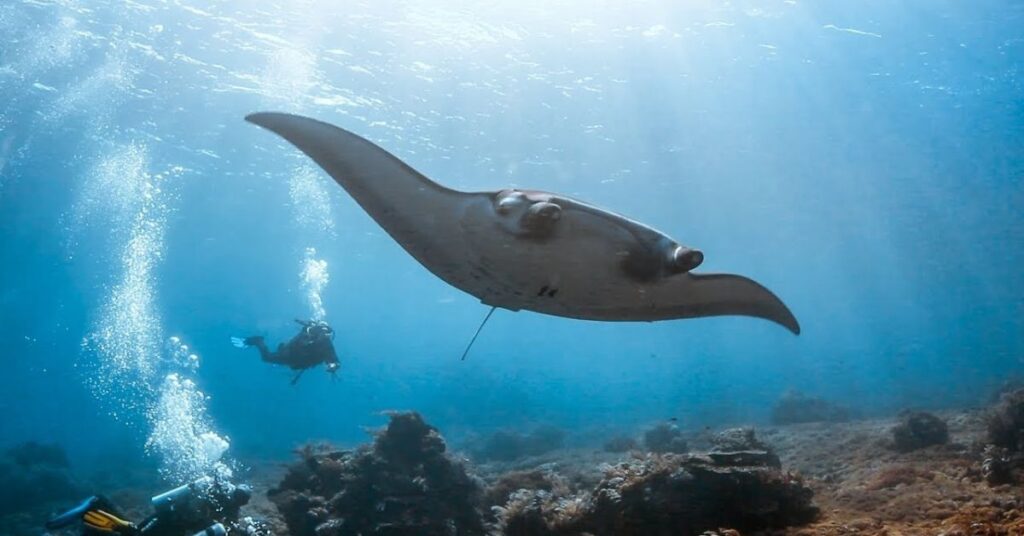
Indonesia ranks high on the list. Areas like Raja Ampat and Komodo attract manta rays throughout the year. Strong currents bring plankton, which draws large groups of manta rays. Divers often see multiple rays during one trip.
Maldives
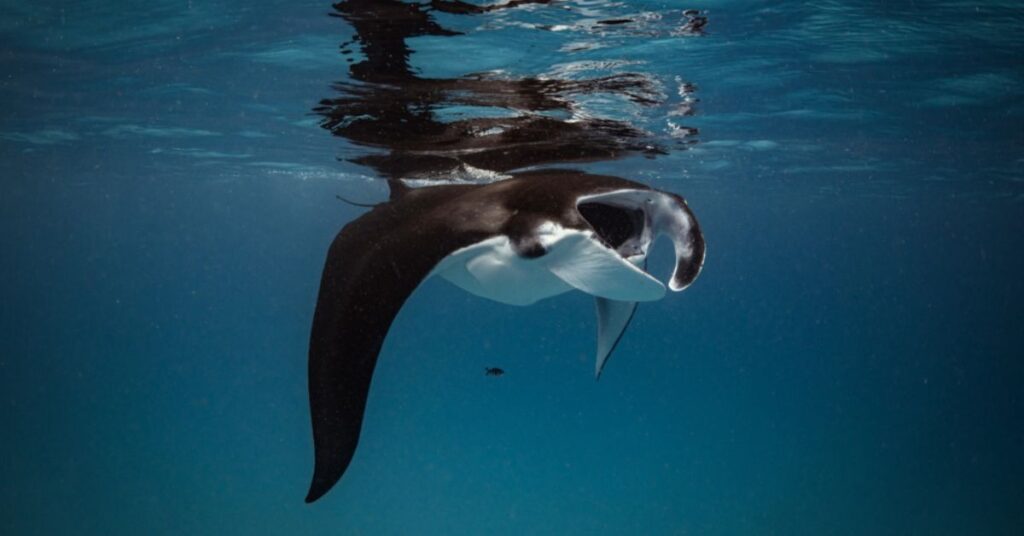
The Maldives is another excellent manta ray location. Seasonal plankton blooms bring manta rays close to cleaning stations and shallow lagoons. Many resorts organize guided snorkeling trips where visitors can observe them closely.
Australia
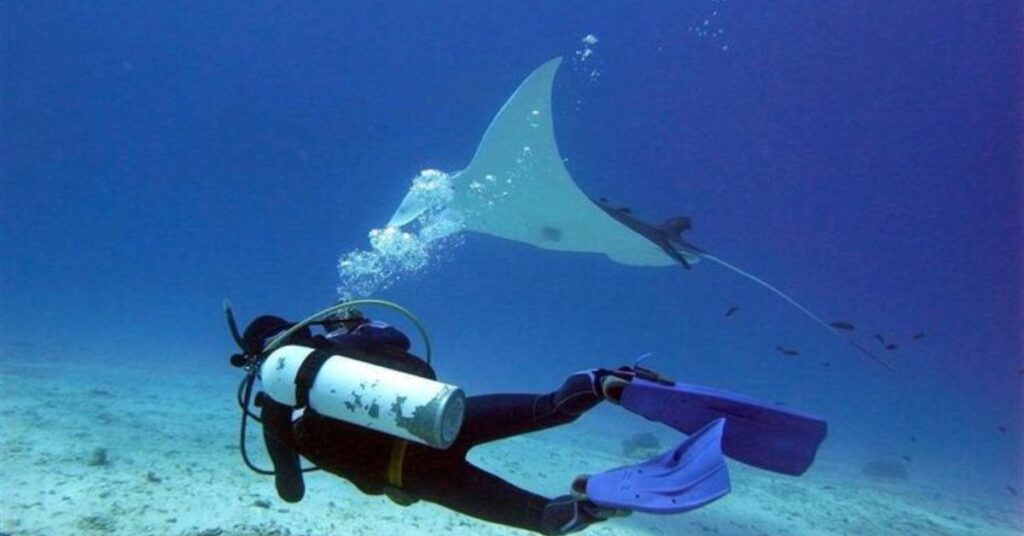
Australia also offers reliable manta ray encounters. Ningaloo Reef is known for seasonal gatherings. The reef supports diverse marine life, making it a favorite destination for wildlife tourism.
Mexico
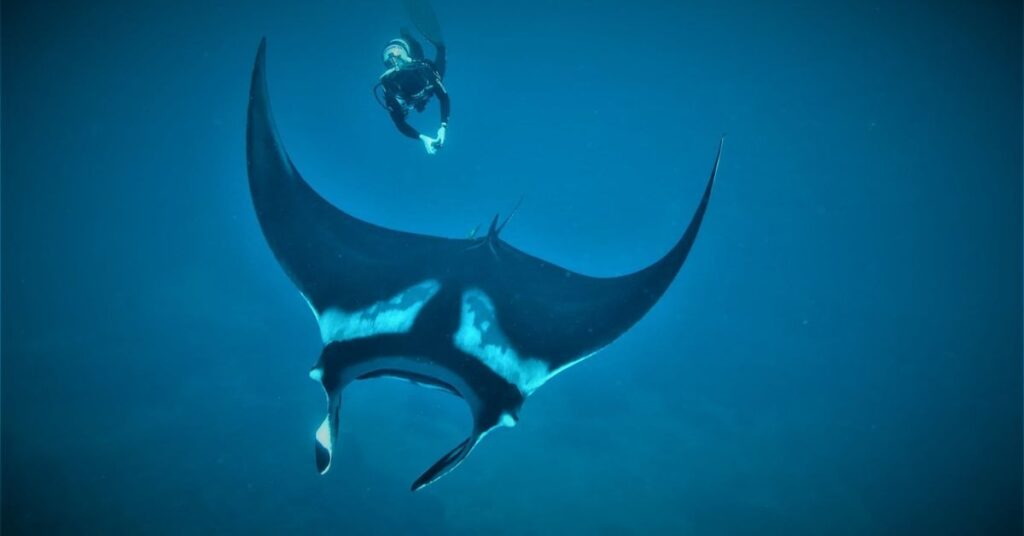
Mexico provides another strong manta ray location, especially around Socorro Island. Here, oceanic manta rays grow very large and often interact curiously with divers. These encounters feel special because the rays sometimes circle swimmers slowly.
These destinations show how ocean conditions, food supply, and conservation efforts combine to create perfect manta ray viewing opportunities.
Read about it more: https://www.wildlifenomads.com/blog/where-to-see-manta-rays-top-10-destinations/
Best Time to Visit a Manta Ray Location
Choosing the right season improves your chance of seeing manta rays. While some places offer year round sightings, many manta ray locations depend on plankton cycles and ocean currents.
In the Maldives, the best manta ray location shifts during the year. The western atolls see more manta rays from May to November. The eastern atolls become more active from December to April. This seasonal movement follows plankton flow driven by monsoon winds.
Indonesia offers sightings almost all year, but peak seasons vary by region. Komodo often sees more manta rays from December to March, while Raja Ampat becomes more active from October to April.
In Australia, Ningaloo Reef sees manta rays most often between May and November. Calm weather and good visibility make this period popular among divers.
Mexico’s Socorro Island usually provides the best manta ray location from November to May. During this time, ocean conditions remain stable and attract large oceanic manta rays.
Checking seasonal patterns before travel helps you choose the most reliable manta ray location and increases the chance of unforgettable encounters.
How to Choose the Right Manta Ray Location for Your Trip
Selecting the perfect manta ray location depends on your experience level, travel budget, and comfort in the water. Some places suit beginners, while others work better for experienced divers.
Snorkelers may prefer shallow lagoons such as those in the Maldives or Hawaii. These areas allow safe surface viewing without deep diving skills. Calm waters and guided tours make the experience relaxed and enjoyable.
Certified divers may enjoy stronger current regions like Komodo or Socorro. These manta ray locations often offer closer encounters but require better diving control and awareness.
Travel time also matters. Some remote manta ray locations require long boat rides or multiple flights. If you want an easier journey, choose destinations with direct access and strong tourism infrastructure.
Weather, water temperature, and visibility should also guide your decision. Researching these factors helps you match your skill level and expectations with the right manta ray location.
Famous Manta Ray Locations and Their Key Features
| Location | Ocean Region | Best Viewing Season | Type of Manta Rays | Viewing Style |
| Maldives | Indian Ocean | Year round with seasonal shifts | Reef manta rays | Snorkeling and diving |
| Indonesia | Pacific Ocean | Mostly October to April | Reef manta rays | Diving and liveaboard trips |
| Ningaloo Reef, Australia | Indian Ocean | May to November | Reef manta rays | Reef diving and snorkeling |
| Socorro Island, Mexico | Pacific Ocean | November to May | Oceanic manta rays | Advanced diving trips |
| Hawaii, USA | Pacific Ocean | Year round night tours | Reef manta rays | Night snorkeling and diving |
This table helps travelers quickly compare each manta ray location and choose the one that fits their travel style.
Responsible Tourism at Any Manta Ray Location
Protecting manta rays is important because their populations grow slowly. Responsible tourism ensures that future generations can enjoy these animals in the wild.
Always follow local wildlife rules at any manta ray location. Keep a safe distance and avoid touching the rays. Human contact can remove their protective mucus layer and harm their skin.
Choose eco friendly dive operators that follow conservation guidelines. Good operators limit group size and teach visitors how to behave near marine life.
Avoid chasing manta rays or blocking their path. Let them move freely and approach on their own. Calm behavior often leads to better and longer encounters.
Supporting marine conservation programs also helps protect manta ray locations. Many organizations track manta ray populations and work to preserve coral reefs and plankton rich waters.
Simple respectful actions can make a big difference in keeping manta ray habitats healthy.
Tips to Increase Your Chance of Seeing Manta Rays
Planning smartly can improve your experience at any manta ray location. Booking trips during peak season gives you the best chance of sightings.
Early morning or late afternoon dives often work well because manta rays feed more actively during these times. Local guides usually know the most reliable cleaning stations and feeding zones.
Stay patient in the water. Manta rays move gracefully and may take time to appear. Remaining calm and still often attracts curious rays closer.
Use proper snorkeling or diving gear that fits comfortably. Clear masks and good fins allow you to focus fully on the experience instead of adjusting equipment.
Listening to trained guides also helps. Their knowledge about local manta ray location patterns can turn a normal dive into a memorable wildlife encounter.
Conclusion
Finding the perfect manta ray location opens the door to one of the ocean’s most magical wildlife experiences. These gentle giants gather in warm, plankton rich waters across the world, from Indonesia and the Maldives to Australia and Mexico.
Understanding their habitat, seasonal movements, and preferred environments helps travelers plan smarter trips. Choosing responsible tour operators and respecting wildlife rules ensures that manta rays remain safe and protected.
Whether you choose a shallow snorkeling lagoon or a remote diving expedition, visiting a manta ray location offers a rare chance to connect with marine nature. With proper planning and respect for the ocean, your encounter with manta rays can become an unforgettable memory.
FAQs
What is the best manta ray location in the world?
Indonesia, the Maldives, and Mexico rank among the best manta ray locations because they offer regular sightings and healthy marine ecosystems.
Can beginners visit a manta ray location safely?
Yes. Many manta ray locations offer snorkeling tours in calm shallow water, which makes them suitable for beginners.
Do manta rays stay in one location all year?
Some reef manta rays stay near the same area, but many move seasonally depending on food supply and ocean conditions.
Is it safe to swim near manta rays?
Manta rays are gentle and harmless to humans. You should keep a respectful distance and follow guide instructions.
Why do manta rays gather in specific locations?
Manta rays gather where plankton is abundant and where cleaning stations help remove parasites from their bodies.
