
Introduction
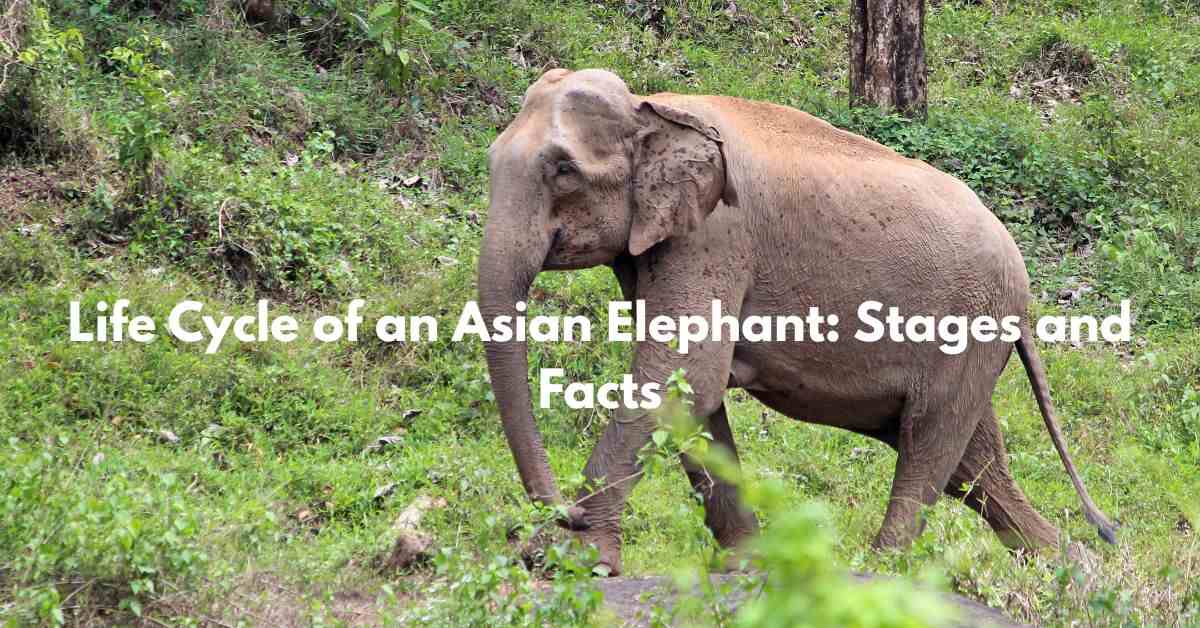
The Asian elephant is one of the most majestic creatures on Earth. Known for its intelligence, memory, and social behavior, it has fascinated humans for centuries. Understanding the life cycle of an Asian elephant is crucial for wildlife enthusiasts, conservationists, and anyone interested in the animal kingdom. From birth to old age, every stage of an elephant’s life is full of learning, challenges, and growth. These stages show how these magnificent animals survive, thrive, and contribute to their environment.
Asian elephants live in forests, grasslands, and sometimes near human settlements in South and Southeast Asia. They are social animals and live in groups called herds. Observing their life cycle can teach us about family structures, survival strategies, and the importance of protecting their habitats. In this article, we will explore each stage of an Asian elephant’s life in detail, providing facts, behaviors, and conservation insights.
Birth and Early Calf Stage
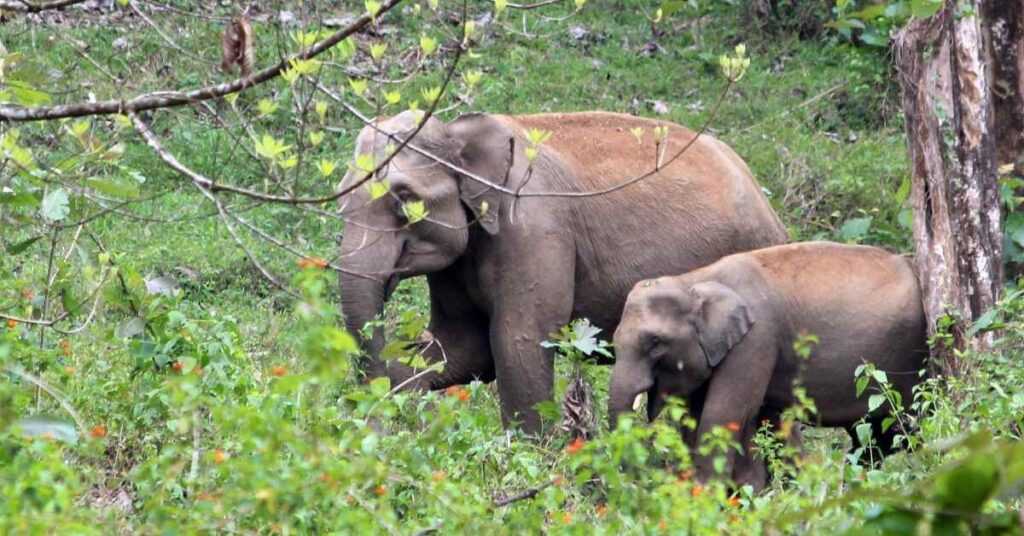
The life cycle of an Asian elephant begins with birth. A female elephant, known as a cow, carries her calf for about 22 months, making it one of the longest pregnancies in the animal kingdom. When a calf is born, it usually weighs between 100 and 150 kilograms. Calves are blind at birth but start walking within hours with the help of their mothers and other herd members.
During the early stages, calves rely entirely on their mother’s milk for nutrition. They feed frequently and grow rapidly. The herd plays an essential role in protecting the young ones. Older females in the group, called allomothers, assist in caring for calves. This social support increases the calf’s chances of survival, especially in areas with predators or human threats.
Calves are highly playful and curious. They explore their surroundings under the watchful eyes of adults. This stage lasts up to five years, and during this period, calves learn essential skills such as finding food, recognizing dangers, and social interactions. The early life of a calf is critical, as it sets the foundation for survival and growth in later stages.
Juvenile Stage
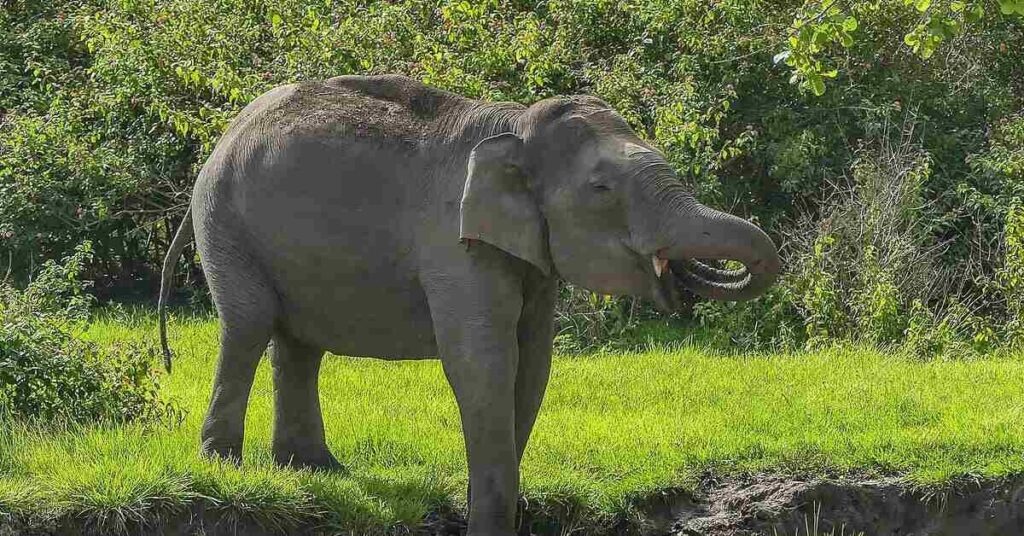
After the calf stage, Asian elephants enter the juvenile stage, which lasts from around five to ten years of age. At this stage, they become more independent but still stay close to their mothers and the herd. Juveniles start exploring larger areas, learning about water sources, types of vegetation, and safe places to rest.
This period is essential for social development. Young elephants engage in play fights and mimic adult behaviors. These interactions teach them communication, hierarchy, and cooperation skills. Male juveniles often spend time with other males, forming loose groups that will influence their adult social life.
Nutrition also changes during this stage. Juveniles start eating solid food, including grass, leaves, bark, and fruits. They gradually reduce dependency on milk and develop the strength and skills to survive on their own. Juveniles also face challenges such as avoiding predators, navigating human settlements, and coping with environmental changes.
Adulthood and Maturity
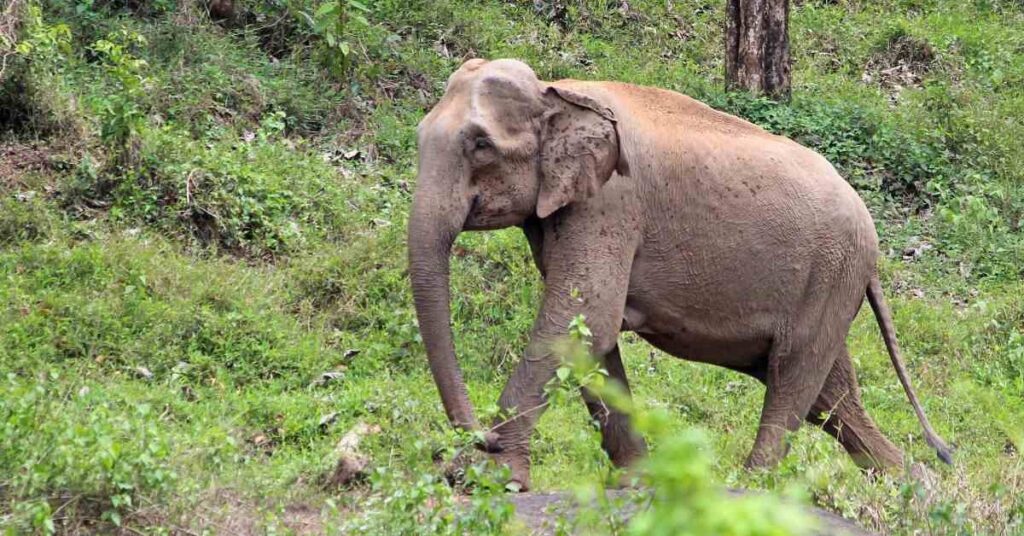
Asian elephants reach adulthood around the age of 10 to 15 years. Females often mature earlier than males. Adult elephants are responsible for maintaining herd stability, guiding younger members, and protecting the group. Females usually remain in the herd for life, while males often leave to live solitary lives or form bachelor groups.
Adult elephants are impressive in size, with females weighing 2,000 to 3,000 kilograms and males up to 5,000 kilograms. Their physical strength allows them to travel long distances in search of food and water. Adult elephants are also highly intelligent. They use memory to locate watering holes, avoid dangerous areas, and recognize other elephants.
Reproduction begins during adulthood. Females enter estrus every few years, and males compete for mating rights. Males in musth, a period of high testosterone, become aggressive and actively seek females. Reproduction ensures the continuation of the life cycle of an Asian elephant and contributes to the population’s stability.
Aging and Longevity
The life cycle of an Asian elephant continues into old age. Elephants can live up to 60 years in the wild. As they age, physical activity may decrease, but their wisdom and knowledge about the environment increase. Older elephants guide the herd, especially in finding food and water during difficult seasons.
Older males may become more solitary, while elderly females often lead family groups. Aging elephants may face challenges such as tooth wear, which affects their ability to eat, and reduced mobility. Despite these challenges, their social role remains vital for herd survival.
Conservation efforts have shown that protecting older elephants is as important as protecting younger ones. Their experience helps the herd survive environmental changes, human encroachment, and natural disasters. Observing elephants throughout their life stages provides insights into animal behavior, ecology, and the importance of preserving wildlife.
Behavior and Social Life Throughout the Life Cycle
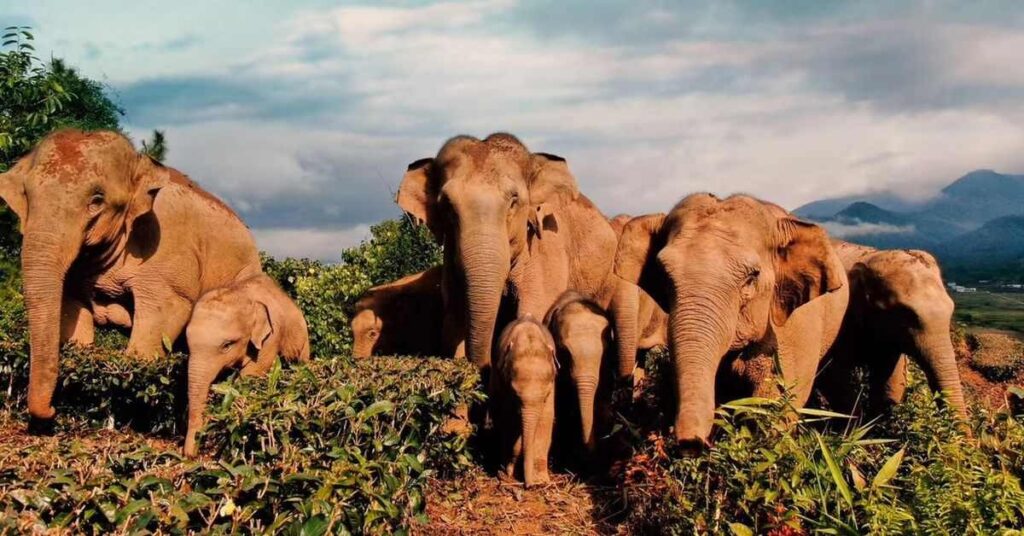
The life cycle of an Asian elephant is closely linked to its social behavior. From birth, elephants rely on strong social bonds. Calves learn from mothers, aunts, and older herd members. Play, communication, and cooperation are essential skills that are taught from a young age.
Social hierarchies exist within herds. Older females often lead, making decisions about movement, feeding, and safety. Males have looser social ties and may form temporary groups. Communication includes vocalizations, body language, and touch. Elephants also show empathy and help each other during injuries or stress.
These social skills are vital for survival. They influence feeding, protection, mating, and migration. Social life continues through adulthood and old age. Herd cohesion ensures that calves grow safely, juveniles learn necessary skills, and older elephants contribute wisdom to the group.
Read about it more: https://www.wildlifenomads.com/blog/asian-elephant-facts/
Conservation and Protection
Understanding the life cycle of an Asian elephant highlights the importance of conservation. Habitat loss, poaching, human-elephant conflict, and climate change threaten their survival. Protecting forests and grasslands ensures that elephants have food, water, and space to thrive.
Conservation efforts focus on anti-poaching measures, wildlife corridors, and sanctuary programs. Educating local communities helps reduce conflicts and promotes coexistence. Organizations work to rehabilitate injured or orphaned elephants, ensuring that they can continue their life cycle safely.
Protecting elephants at every stage of life is crucial. From calves to seniors, each age group contributes to the ecosystem. Their presence supports biodiversity, forest regeneration, and soil health. Understanding their life cycle can inspire action, raising awareness about wildlife protection and sustainable coexistence.
Diet and Feeding Habits
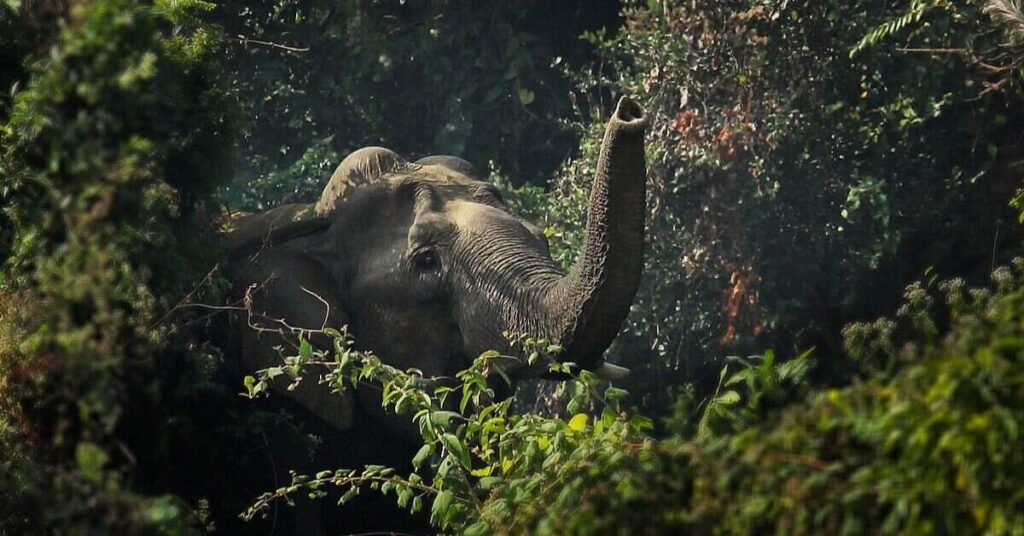
The life cycle of an Asian elephant includes changing feeding habits. Calves start with milk, but juveniles and adults consume a variety of plant-based foods. They eat grass, leaves, fruits, bark, and roots. Their diet varies depending on the season and habitat.
Elephants spend many hours feeding each day. Adults may consume up to 150 kilograms of food daily. Feeding supports growth, reproduction, and overall health. Elephants also help disperse seeds, contributing to forest regeneration.
Water is essential. Elephants drink up to 200 liters a day and enjoy bathing. Access to clean water is vital for survival. Understanding feeding habits across life stages helps conservationists plan habitats, protect resources, and ensure elephants thrive in the wild.
Migration and Habitat Use
Throughout the life cycle of an Asian elephant, movement plays a key role. Elephants migrate in search of food, water, and safe areas. Calves learn routes from adults. Juveniles start exploring independently, while adults lead longer migrations.
Habitats include tropical forests, grasslands, and wetlands. Human activities often reduce available space, leading to conflicts. Migration allows elephants to access seasonal resources and maintain herd health. Protecting corridors ensures safe passage and reduces the risk of accidents.
Elephants impact the environment positively. They create paths, disperse seeds, and influence vegetation patterns. Their migration and habitat use are critical for both their survival and ecosystem balance.
Reproduction and Parenting
Reproduction is a central part of the life cycle of an Asian elephant. Females reach sexual maturity around 10 to 15 years. Males reach maturity later and enter musth to compete for females. Successful mating ensures population continuity.
Pregnancy lasts about 22 months, the longest among land animals. Mothers give birth to a single calf, rarely twins. Mothers and the herd provide extensive care, teaching calves survival skills. Parenting continues for several years, as calves gradually become independent.
Understanding reproduction helps conservationists manage populations. Protecting reproductive females, reducing threats, and maintaining habitats are essential for sustaining healthy elephant populations.
Life Cycle Table of an Asian Elephant
| Stage | Age Range | Key Features | Behavior |
| Calf | 0-5 years | Dependence on mother, rapid growth | Learning, play, milk feeding |
| Juvenile | 5-10 years | Gradual independence | Social skills, solid food introduction |
| Young Adult | 10-20 years | Sexual maturity, growth | Herd guidance, mating |
| Adult | 20-50 years | Full size, reproduction | Leadership, migration, foraging |
| Senior | 50+ years | Aging, reduced mobility | Herd wisdom, guiding younger members |
Migration Patterns of Asian Elephants
Asian elephants move from one place to another in search of food and water. They usually follow seasonal patterns. During dry seasons, they travel to areas with rivers and green forests. In wet seasons, they spread out to find fresh grass and plants. These movements help them survive in changing environments.
Elephants often use the same paths every year. They travel in herds led by older female elephants called matriarchs. Migration also helps them find mates and safe places to raise calves. Human activities like deforestation and roads sometimes block their routes. Conservation efforts aim to protect these paths so elephants can continue their natural journeys.
African and Asian Elephants Similarities
African and Asian elephants are both large and strong animals. They have thick gray skin and long trunks. Both use their trunks to eat, drink, and communicate. They live in herds and care for their young. Elephants also have big ears, although the shape is different, and strong tusks, though some Asian elephants may have smaller tusks.
Both types are herbivores and eat grass, leaves, and fruits. They are very intelligent and can remember places and other elephants. Elephants communicate using sounds and body movements. Both face threats from humans, like hunting and habitat loss. Protecting them is important for nature and the environment.
Asian Elephants in the Wild
Asian elephants live in forests, grasslands, and near rivers. They prefer warm and tropical areas in countries like India, Sri Lanka, and Thailand. They move in groups called herds, led by older female elephants. These herds help them find food and protect the young from predators.
In the wild, Asian elephants eat plants, fruits, and bark. They drink water every day and sometimes bathe in rivers to cool down. They communicate with trumpets, rumbles, and body movements. Human activities like deforestation and farming make their life harder. Protecting their habitat is important for their survival.
Human Impact on Asian Elephants
Humans affect Asian elephants in many ways. Deforestation and farming reduce the forests where they live. Roads and cities block their migration paths. Sometimes elephants are captured for work or tourism. These actions make it harder for them to find food and water.
Human-elephant conflicts also happen when elephants enter farms. They can damage crops, and people may hurt them in return. Poaching for tusks and body parts is another big threat. Conservation efforts try to protect elephants and their habitats. Education and safe corridors help reduce problems between humans and elephants.
Conclusion
Asian elephants have a fascinating life journey. Each stage of life, from calf to senior, is full of learning and growth. Calves depend on mothers and the herd. Juveniles learn social and survival skills. Adults guide herds and reproduce. Seniors share wisdom and keep herds safe. Every elephant plays a role in the ecosystem.
Protecting Asian elephants is very important. Habitat loss, poaching, and human conflicts are major threats. Conservation helps ensure they survive at all life stages. Understanding their life cycle helps people appreciate them more. It also encourages efforts to protect these amazing creatures for future generations.
FAQs
What is the life expectancy of an Asian elephant?
Asian elephants can live up to 60 years in the wild, depending on habitat and threats.
How long is an Asian elephant pregnant?
Pregnancy lasts about 22 months, one of the longest among land animals.
When do elephants start eating solid food?
Calves begin eating solid food around six months, gradually reducing milk intake.
Do male and female elephants live together?
Females usually stay in herds for life, while males may live alone or in bachelor groups.
Why is understanding the life cycle important?
It helps in conservation, protecting habitats, and ensuring the survival of elephant populations.
