

Introduction
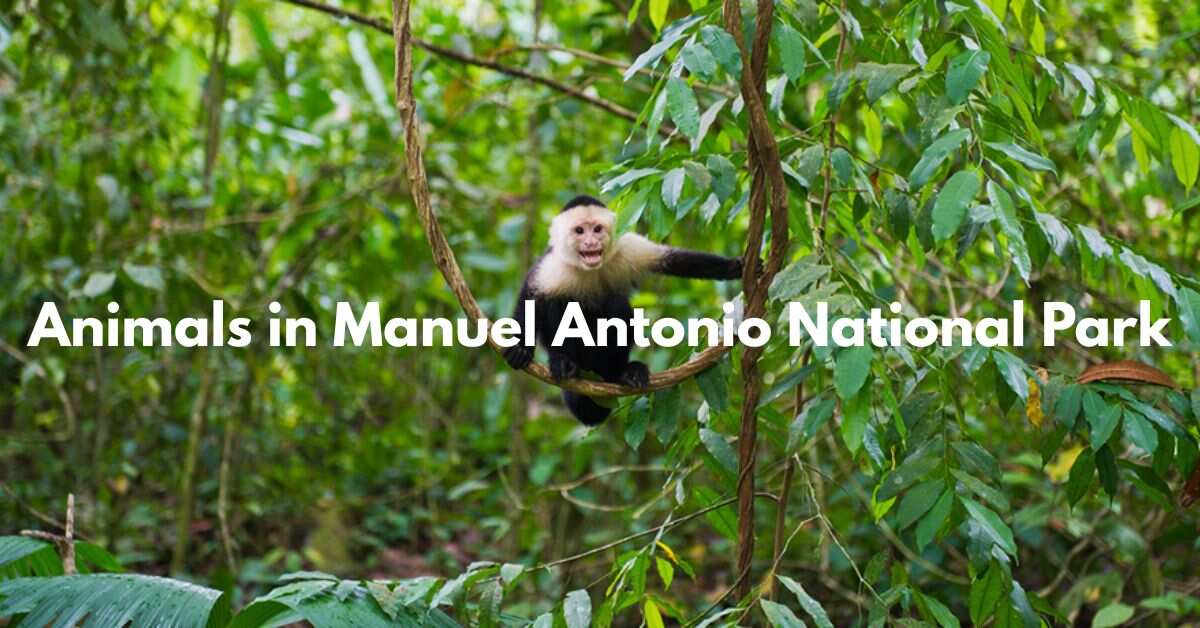
Manuel Antonio National Park is one of the most famous wildlife destinations in Costa Rica. It is small in size but very rich in life. Dense rainforests meet white sandy beaches here. Warm ocean waves touch green land full of animals. Visitors come from all over the world to see animals in Manuel Antonio National Park in their natural home.
This park offers a rare chance to see wildlife very close. Animals often move freely near walking trails. You do not need to go deep into the jungle to spot them. Monkeys jump between trees. Sloths rest calmly above your head. Bright birds fill the air with sound.
Animals in Manuel Antonio National Park play an important role in nature. Each species helps keep the forest healthy. This guide will help you understand what animals live here. You will also learn when and where to spot them. If you love wildlife and nature, this park will leave you amazed.
Why is Manuel Antonio National Park So Popular?
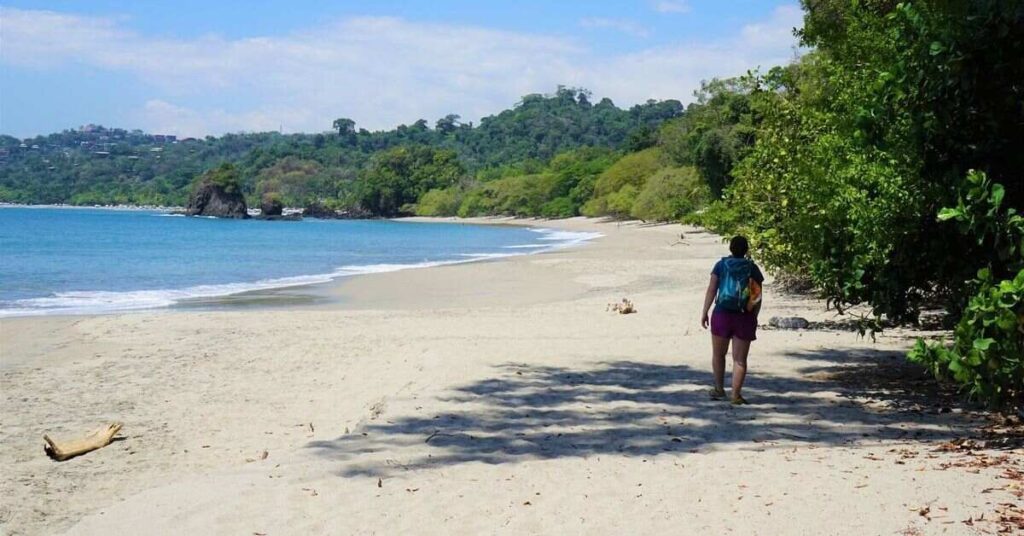
Manuel Antonio National Park is popular because it offers rich wildlife in a small area. Visitors can see animals without long hikes. Monkeys, sloths, and birds often appear near the trails. The park feels alive at every step. People love how close they can get to nature. The mix of rainforest and beach makes the experience special.
The park also has beautiful white sand beaches. These beaches sit right next to the jungle. Visitors can relax after walking the trails. Clear water makes swimming enjoyable. The park is clean and well protected. Easy access and well marked paths attract many travelers. This balance of wildlife and comfort makes the park very famous.
Most Common Manuel Antonio National Park Animals
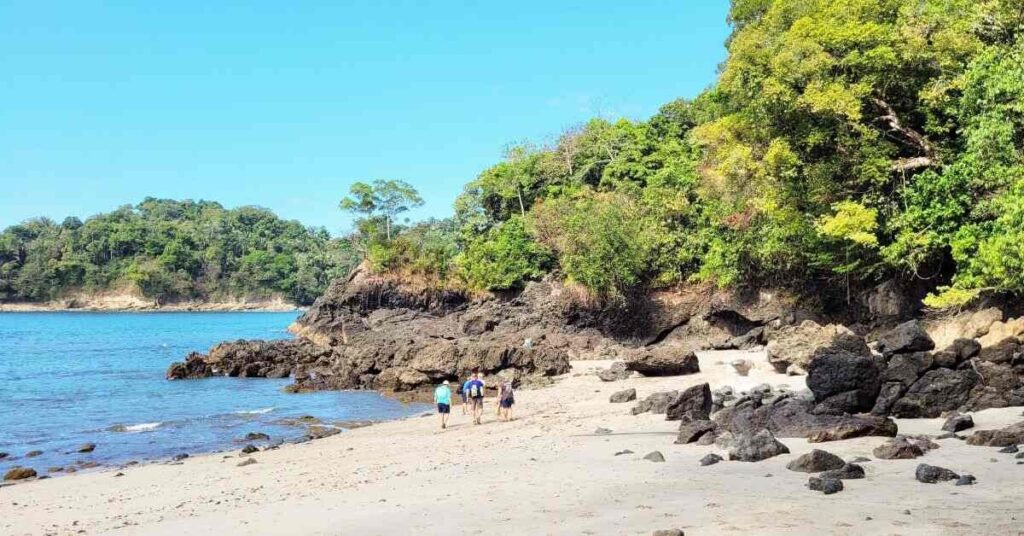
Manuel Antonio National Park is home to many animals that visitors see often. These animals live close to walking trails and beaches. Some of them are active during the day, which makes them easy to spot. Others rest quietly in trees and blend into the forest. With a little patience, visitors can see wildlife on almost every walk.
Common animals in the park include
• White faced capuchin monkeys that move in playful groups
• Howler monkeys known for their loud morning calls
• Sloths resting slowly in tree branches
• Iguanas sitting on rocks near the beach
• Colorful birds like macaws and toucans flying overhead
How Much Time is Needed at Manuel Antonio National Park
Most visitors need about half a day to enjoy Manuel Antonio National Park. This gives enough time to walk the main trails. You can stop often to watch animals. You can also enjoy the beaches inside the park. It is easy to follow the short trails. This makes the park suitable for all ages.
Some people choose to spend a full day in the park. This allows more time for wildlife watching and relaxing. Early morning visits are great for seeing animals. Later hours are perfect for swimming and resting. Taking your time helps you enjoy the park more. A slow visit often leads to better wildlife sightings.
Monkeys Living in Manuel Antonio National Park
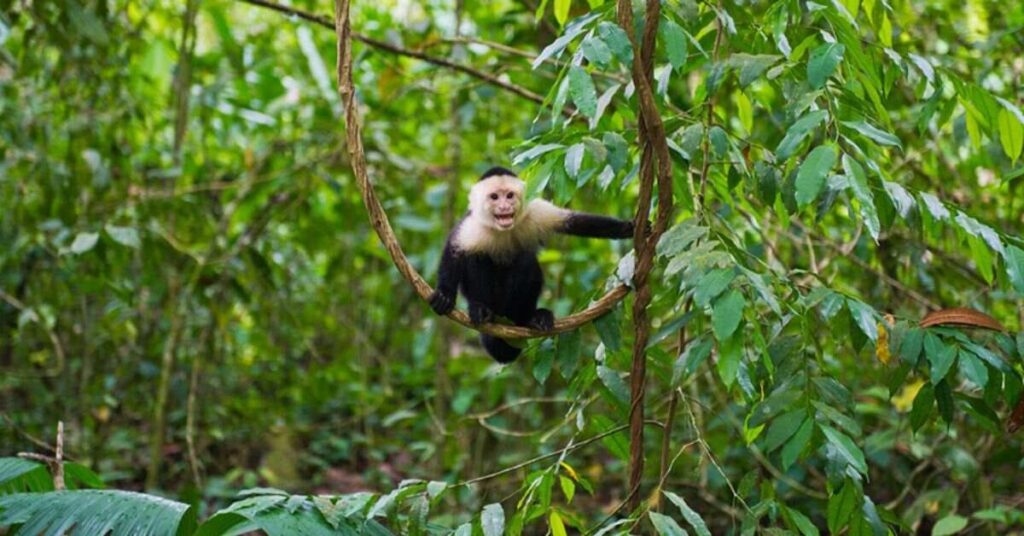
Monkeys are the most famous animals in Manuel Antonio National Park. They are easy to see and very active. The park is home to several monkey species that live close to each other.
White-faced capuchin monkeys are the most common. They are smart and curious. You often see them near trails and picnic areas. They move in groups and use many sounds to talk to each other. These monkeys use tools and show strong family bonds.
Howler monkeys are larger and louder. Their deep calls echo through the forest early in the morning. These sounds help them mark territory. Howlers move slowly and eat mostly leaves. You often see them resting high in trees.
Squirrel monkeys are smaller and faster. They move quickly through branches and rarely stop. These monkeys are more shy and usually stay deeper in the forest. Spotting them feels special.
Seeing monkeys in their natural home shows how alive the park really is.
Sloths and Slow Moving Wildlife
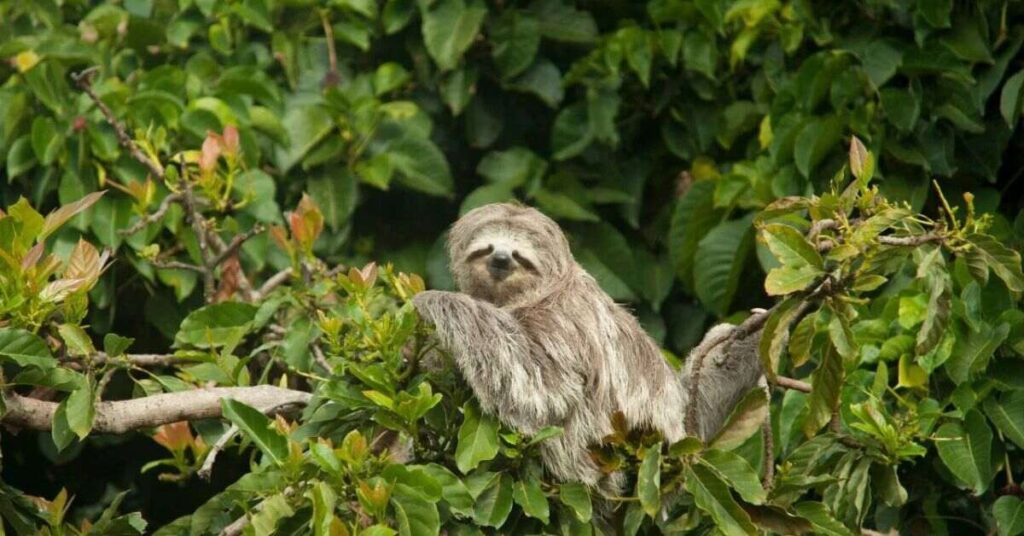
Sloths are among the most loved animals in Manuel Antonio National Park. They move slowly and stay calm. Many visitors miss them at first because they blend into trees so well.
Both two-toed and three-toed sloths live in the park. They spend most of their time hanging from branches. Their slow movement helps them save energy. Algae often grows on their fur. This gives them green color and helps with camouflage.
Sloths sleep many hours each day. They wake to eat leaves and move to new branches. They come down from trees only about once a week. This makes seeing them on the ground very rare.
Other slow moving animals also live here. Anteaters walk quietly through the forest floor. They use long noses to find ants and termites. These gentle animals avoid noise and people.
Sloths remind visitors to slow down and enjoy nature’s calm rhythm.
Read about it more: https://www.wildlifenomads.com/blog/tours-manuel-antonio/
Bird Species Found in the Park
Birds are colorful and lively animals in Manuel Antonio National Park. More than one hundred bird species live here. This makes the park perfect for bird lovers.
Scarlet macaws are the most eye-catching birds. Their bright red blue and yellow feathers shine in the sunlight. These birds often fly in pairs and make loud calls. They nest in tall trees and feed on seeds and fruits.
Toucans are another favorite. They have large beaks and playful behavior. Their beaks help them reach fruit on thin branches. You often see them early in the morning.
Herons and pelicans live near the coast. They hunt fish in shallow water. Kingfishers dive fast to catch prey. Their bright colors flash near rivers and beaches.
Owls parrots and hummingbirds also live in the forest. Each bird adds beauty and sound to the park. Watching birds here feels magical.
Reptiles and Amphibians of Manuel Antonio
Reptiles and amphibians are important animals in Manuel Antonio National Park. They help control insects and keep balance in nature.
Iguanas are easy to spot. They rest on branches and rocks near the beach. Their rough skin and long tails make them look ancient. Iguanas eat leaves flowers and fruit.
Lizards of many types move quickly across trails. Some change color to match their surroundings. This helps them stay safe from predators.
Snakes also live in the park. Most are shy and avoid people. Green vine snakes blend perfectly into trees. Boa constrictors move slowly and hunt at night. Seeing a snake here is rare and safe when you keep distance.
Frogs are active after rain. Tree frogs sing loudly at night. Their calls fill the forest with life. These small animals show how healthy the ecosystem is.
Mammals You May Spot on the Forest Floor
Many ground animals live quietly under the trees. These animals in Manuel Antonio National Park are harder to see but very important.
Agoutis look like large rodents. They walk slowly and search for seeds and fruit. They help spread plants by burying food. This helps forests grow.
Coatis move in groups and look like long nosed raccoons. They are curious and active during the day. Coatis search the ground for insects and small animals.
Armadillos come out mostly at night. They dig the soil looking for insects. Their hard shell protects them from danger.
Deer also live in the park but stay hidden. They move quietly and avoid open areas. Seeing one feels very special.
These animals show how rich and balanced the park environment is.
Marine Animals Along the Coast
The ocean is also home to many animals in Manuel Antonio National Park. The park protects both land and sea life.
Fish swim near coral and rocks close to shore. Snorkeling lets you see colorful species moving in clear water. Parrotfish and angelfish are common sights.
Sea turtles visit nearby beaches. Some come to lay eggs. Others swim near the coast. Protecting these turtles is very important for conservation.
Dolphins sometimes appear offshore. They swim in groups and jump above the waves. Whales pass by during migration seasons. Seeing them from shore feels unforgettable.
Crabs move across the sand at low tide. They clean the beach and recycle nutrients. The marine life here completes the wildlife story of the park.
Best Time to See Animals in Manuel Antonio National Park
Timing matters when you want to see animals in Manuel Antonio National Park. Early morning is the best time. Animals are active and the weather is cooler.
Late afternoon also offers good chances. Monkeys move to feeding spots. Birds return to nests. The light is softer and perfect for photos.
Dry season makes trails easier to walk. Rainy season brings more frogs and insects. Both seasons offer unique wildlife moments.
Quiet behavior helps a lot. Walking slowly and staying alert increases sightings. Listening to sounds often leads you to animals before you see them.
Guided walks help beginners. Guides know animal habits and spotting tricks. This makes wildlife viewing easier and richer.
Wildlife Conservation in Manuel Antonio
Conservation protects animals in Manuel Antonio National Park. Strict rules help keep nature safe. Feeding animals is not allowed. This keeps their natural behavior strong.
Trails protect plants and animal homes. Visitors must stay on paths. This reduces stress on wildlife. Waste rules keep the park clean.
Local groups work hard to protect habitats. Education programs teach visitors about wildlife care. These efforts help animals survive for future generations.
Tourism also supports conservation. Entry fees help fund protection and research. Responsible travel makes a real difference.
When people respect wildlife, nature stays healthy and beautiful.
Conclusion
Animals in Manuel Antonio National Park create one of the richest wildlife experiences in Costa Rica. The mix of forest beach and ocean supports many species. Every walk brings a new surprise.
This park shows how nature and protection can work together. Animals live freely and visitors learn to respect them. Each sighting creates lasting memories.
If you love wildlife and nature, this park deserves a place on your list. Watching animals in Manuel Antonio National Park helps you feel closer to the natural world.
FAQs
What animals are easiest to see in Manuel Antonio National Park?
Monkeys sloths and iguanas are the easiest animals to spot. They often stay close to trails and beaches.
Are animals dangerous in Manuel Antonio National Park?
Most animals avoid humans. Keeping distance and following rules keeps visits safe.
Can you see sloths without a guide?
Yes sloths are visible on trees near trails. A guide helps spot them faster.
What time is best to see wildlife in the park?
Early morning offers the best chances to see active animals.
Is Manuel Antonio National Park good for bird watching?
Yes the park has many bird species including macaws and toucans.
