


Introduction
Caring for an eastern indigo snake is both a responsibility and a privilege. This species is one of the most impressive snakes found in North America. It is known for its deep blue black shine and calm nature. Many wildlife lovers admire it for its size strength and gentle behavior.
Eastern indigo snakes play an important role in nature. Their presence helps control rodent populations. Because of habitat loss and human activity their numbers have dropped in the wild. This makes proper care education even more important.
This guide explains caring for an eastern indigo snake in simple and clear language. It focuses on habitat diet handling health and daily care. The goal is to help readers understand this species while promoting respect and conservation. Whether you are learning out of curiosity or responsibility this guide will help you make informed choices.
Understanding the Eastern Indigo Snake
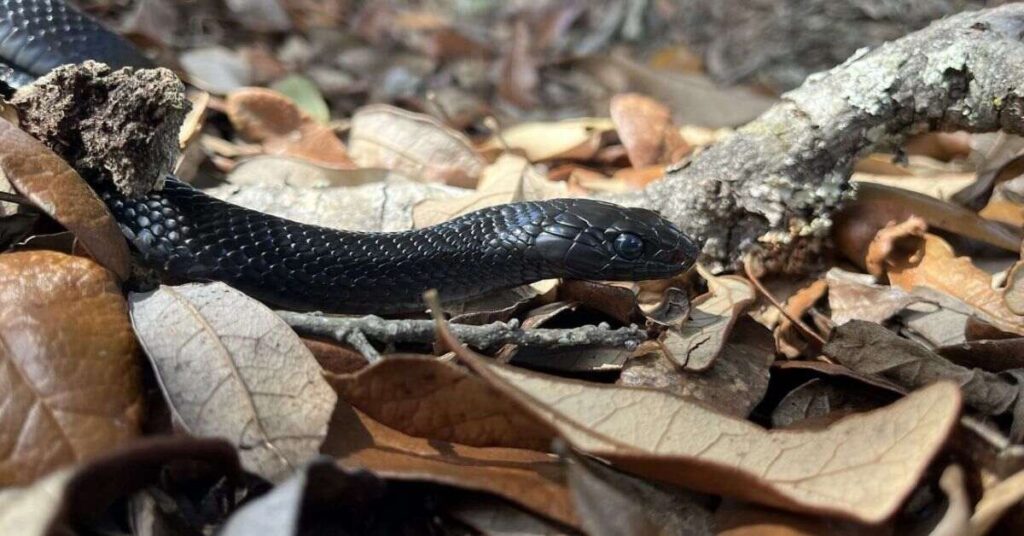
Caring for an eastern indigo snake starts with understanding its nature. This snake is native to the southeastern United States. It lives in pine forests scrublands and wetlands. It often uses burrows made by other animals to stay safe and cool.
North America’s longest native snake is the eastern indigo snake. Adults can grow over eight feet long. Despite their size they are calm and rarely show aggression. They rely on confidence rather than fear to survive.
This snake hunts during the day. It feeds on rodents frogs birds and even other snakes. It does not use venom. Instead it overpowers prey with strength. This makes it harmless to humans.
Understanding these traits helps create better care conditions. When people respect its natural behavior they reduce stress and health risks. Knowledge builds better care and supports long term wellbeing.
Facts about Eastern Indigo Snake
1. The Longest Native Snake in the U.S.
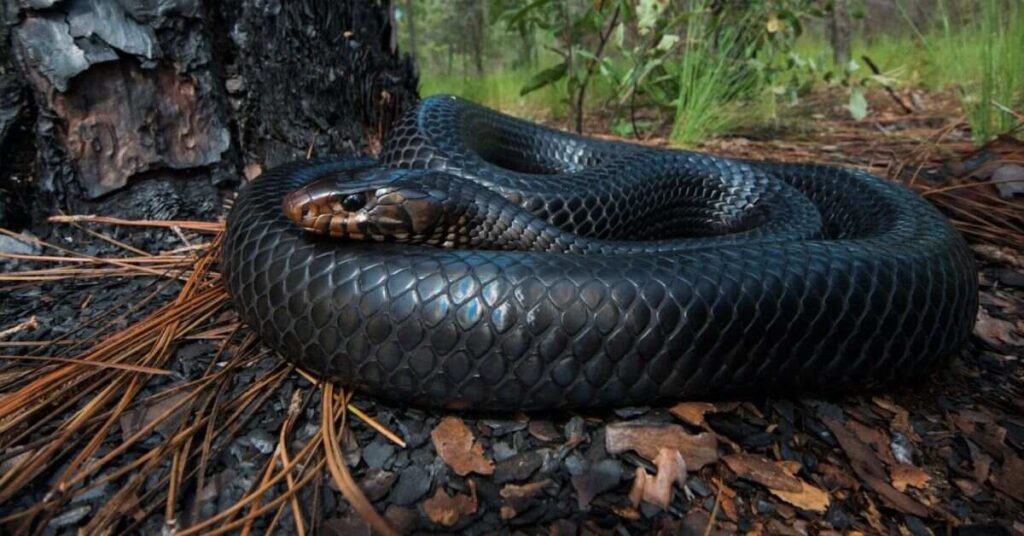
The eastern indigo snake is the longest native snake found in the United States. It can grow more than eight feet long. Some individuals even reach longer sizes in the wild. Its body looks strong and smooth. The skin has a shiny blue black color that stands out in sunlight. This unique look makes it easy to recognize.
Despite its large size, this snake is calm and gentle. It does not act aggressive toward humans. It moves with confidence and control. Its size helps it survive in the wild. Being long and powerful allows it to hunt many types of prey. This makes the eastern indigo snake a true giant of American wildlife.
2. They Are Non-Venomous, Yet Fearless
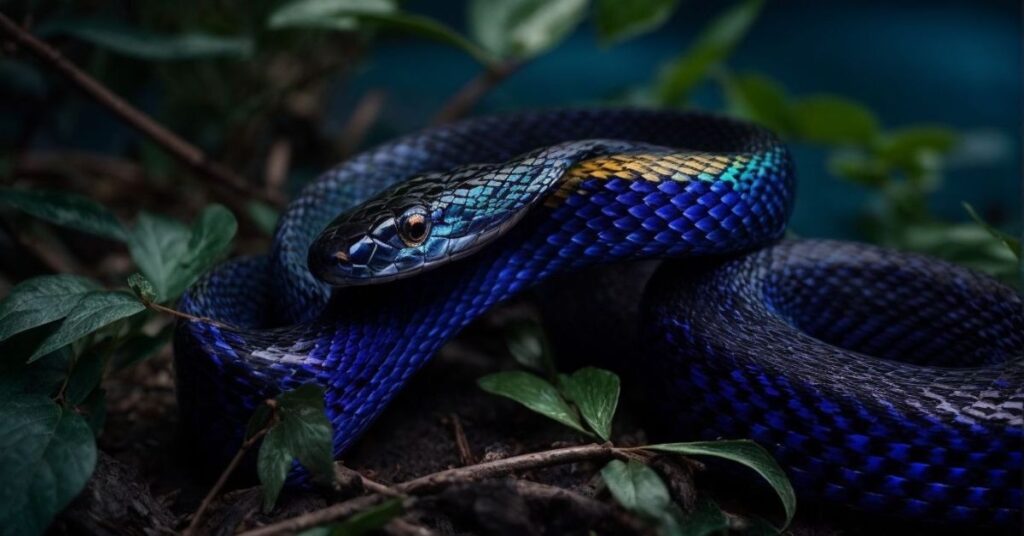
Eastern indigo snakes do not have venom. They do not rely on poison to catch prey. Instead, they use their strong bodies to overpower animals. This makes them safe for humans. Many people fear snakes, but this species rarely causes harm.
Even without venom, these snakes show fearless behavior. They often hunt other snakes, including venomous ones. They face danger with confidence. Their strength and size give them an advantage. This fearless nature helps them survive in tough environments and earn respect in the wild.
3. A Shimmering Black with Iridescent Purple
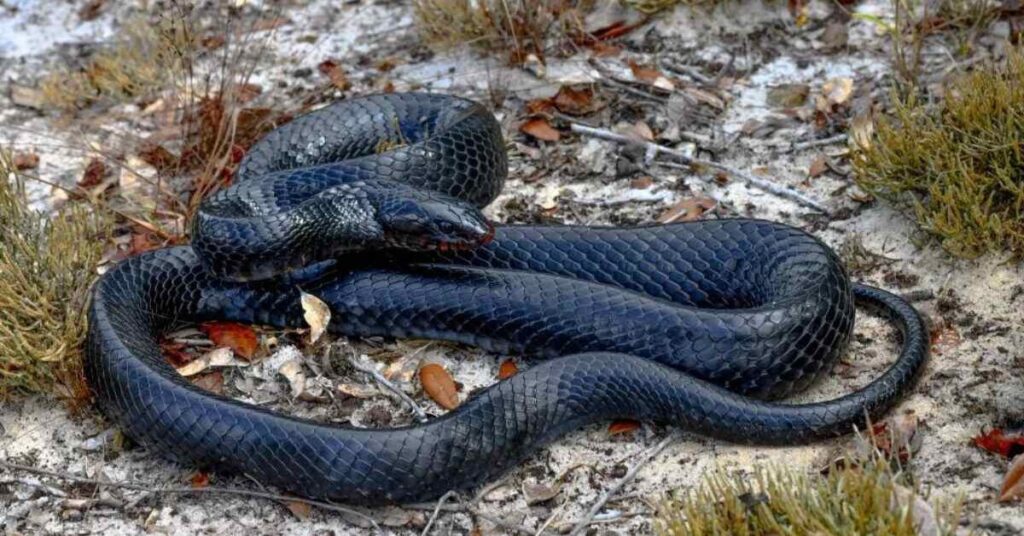
The eastern indigo snake has a stunning appearance. Its body looks deep black at first glance. When light hits its skin, a purple or blue shine appears. This shiny effect makes the snake look almost metallic. Many wildlife lovers admire this beautiful color.
The smooth scales help reflect light. This gives the snake its famous glossy look. The color also helps it blend into shadows and forests. It stays hidden from predators while moving quietly. This natural shine makes the eastern indigo snake one of the most beautiful snakes in North America.
4. Eastern Indigo Snake Range
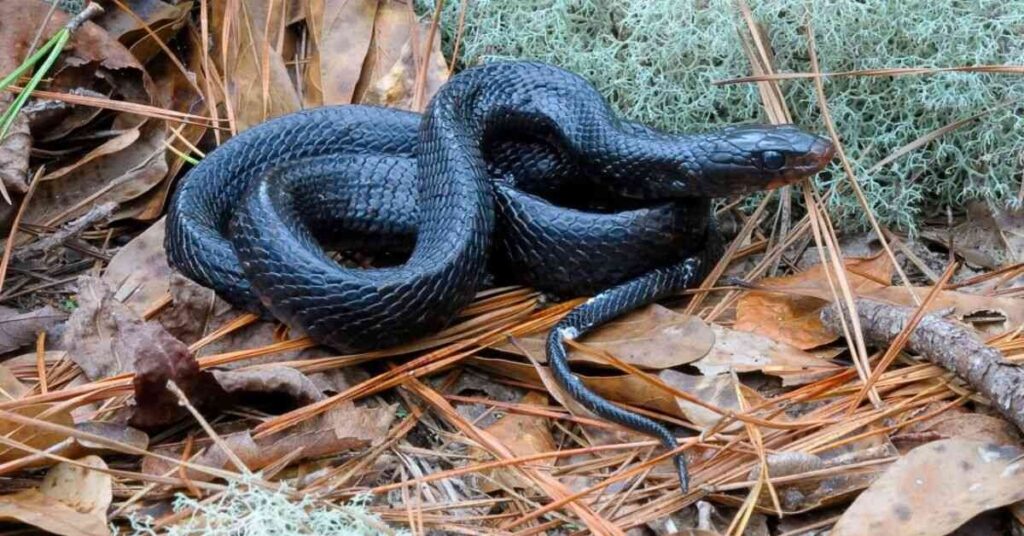
The eastern indigo snake lives in the southeastern United States. It is mainly found in Florida, Georgia, and parts of Alabama. Some snakes also live in southern Mississippi and South Carolina. This region offers warm weather and natural shelter.
These snakes prefer pine forests, grasslands, and wetlands. They often stay near sandy soil where burrows are easy to find. During cooler months, they hide in underground spaces to stay warm. Their range depends on healthy habitats, which is why protecting these areas is so important.
5. Powerful Hunters with a Varied Diet
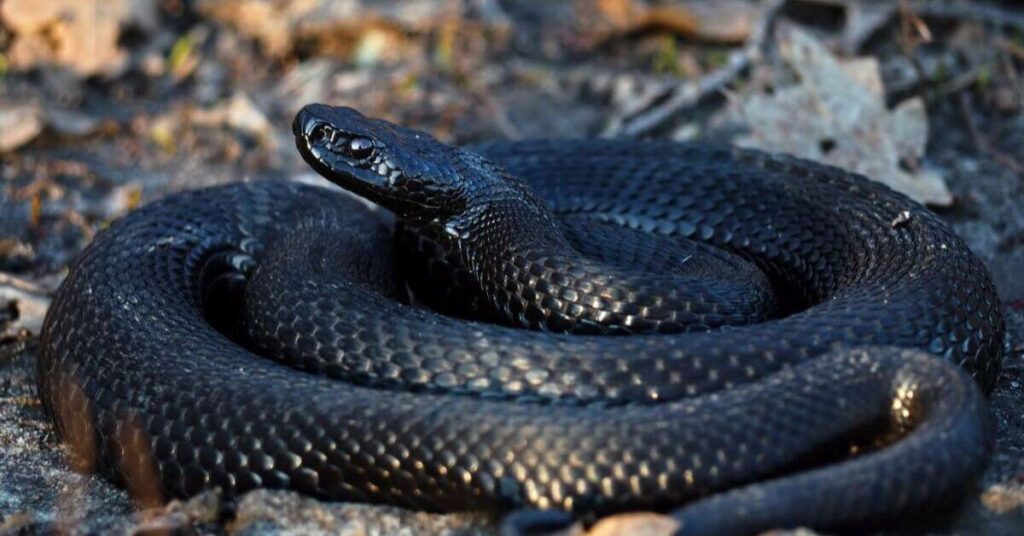
Eastern indigo snakes are strong and skilled hunters. They search for food during the day. Their sharp senses help them find prey easily. They move fast when hunting and rarely miss a chance to eat.
Their diet includes rodents, birds, frogs, and lizards. They also eat other snakes, even venomous ones. They do not use venom to kill prey. Instead, they overpower it with strength. This varied diet helps them survive in many environments.
6. Reproduction and Long Journeys
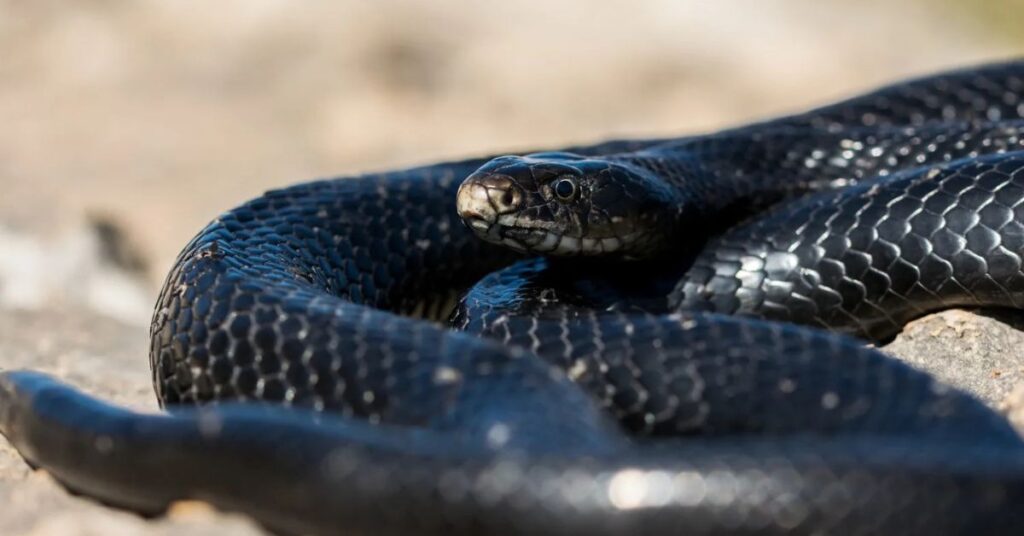
Eastern indigo snakes reproduce during the cooler months. Mating usually happens in winter. Females lay eggs in warm and hidden places. These spots protect the eggs from danger. After laying eggs, the female leaves them to develop on their own.
These snakes also travel long distances. They move across large areas to find food and mates. Some snakes travel several miles each year. Their journeys help keep populations healthy. Long movements also show why large natural habitats are important for their survival.
Read about it more: https://www.wildlifenomads.com/blog/eastern-indigo-snake-facts/
Legal and Ethical Responsibility
Caring for an eastern indigo snake also involves legal awareness. This species is protected in many areas. Laws exist to prevent harm and illegal collection. People must always follow local wildlife regulations.
Eastern indigo snakes are listed as threatened in the wild. Habitat destruction is the main reason. Because of this many regions restrict ownership. Conservation programs focus on habitat protection and education.
Ethical care means putting the animal first. It means avoiding stress and respecting its needs. Responsible care supports conservation instead of harming it.
People should always support wildlife protection programs. Learning about conservation helps protect future populations. Ethical wildlife care matters for nature and balance.
Creating a Suitable Habitat
A proper habitat is the foundation of caring for an eastern indigo snake. These snakes need large spaces. They are active and curious. A small enclosure causes stress and poor health.
The enclosure should be long and wide. It should allow natural movement. Strong walls and secure lids are essential. These snakes are powerful and can escape weak enclosures.
Temperature control is important. Eastern indigo snakes need warmth during the day and cooler areas to rest. Gentle heat sources work best. The enclosure should never overheat.
Humidity should stay moderate. Dry conditions cause shedding problems. A shallow water area helps maintain moisture. Clean water must always be available.
A natural setup supports mental health. Logs rocks and hide areas help the snake feel safe. A natural environment improves wellbeing and reduces stress.
Habitat Setup Overview
| Habitat Feature | Recommended Condition |
| Enclosure size | Large and spacious |
| Temperature | Warm area and cool zone |
| Humidity | Moderate and stable |
| Hiding spots | Multiple secure hides |
| Water access | Clean shallow dish |
Lighting and Temperature Needs
Proper lighting supports caring for an eastern indigo snake. These snakes are active during daylight. Natural light cycles help regulate behavior and feeding patterns.
They do not require strong UV lighting like some reptiles. However gentle lighting helps simulate day and night cycles. Consistent timing supports health.
Temperature gradients are essential. One side should be warmer while the other stays cooler. This allows self regulation. Sudden temperature changes should be avoided.
Heat sources should be safe and controlled. Overheating causes stress and dehydration. Monitoring tools help maintain balance.
A stable environment helps prevent illness. Consistency is key when managing temperature and lighting.
Substrate and Cleanliness
Substrate choice plays a major role in caring for an eastern indigo snake. It should be safe soft and easy to clean. Natural substrates help mimic the wild environment.
The substrate should retain some moisture without becoming wet. Dry and dusty materials can cause breathing problems. Cleanliness prevents bacteria growth.
Spot cleaning should happen regularly. Waste should be removed quickly. Full substrate changes depend on enclosure size and usage.
Clean environments reduce health risks. Snakes are sensitive to dirty conditions. Clean habitats support long term health and comfort.
Feeding and Diet Requirements
Feeding is a critical part of caring for an eastern indigo snake. In the wild these snakes eat a varied diet. They consume rodents birds frogs and other reptiles.
In care settings diet should match natural needs. Food size should suit the snake’s age and size. Overfeeding leads to obesity and health problems.
Feeding schedules depend on age. Young snakes eat more often than adults. Meals should be consistent and calm.
Fresh water should always be available. Hydration supports digestion and shedding. Balanced feeding builds strength and vitality.
Diet Overview Table
| Age Group | Feeding Frequency | Food Type |
| Juvenile | Every few days | Small prey |
| Adult | Weekly | Larger prey |
Handling and Interaction
Handling plays a role in caring for an eastern indigo snake. These snakes are calm and tolerant. Gentle handling builds trust over time.
Hands should be clean and movements slow. Sudden actions can cause fear. Supporting the body reduces stress.
Handling sessions should stay short. Too much handling causes anxiety. Snakes need rest and quiet time.
Observation is just as important. Learning behavior signs helps avoid stress. Respectful handling builds confidence in the snake.
Health Monitoring and Wellness
Health care is essential in caring for an eastern indigo snake. Regular observation helps detect problems early. Changes in behavior often signal health issues.
Healthy snakes are alert and active. Clear eyes smooth skin and steady appetite show good condition. Poor shedding or lethargy needs attention.
Veterinary care should involve reptile experts. Routine checkups support long term health. Parasite prevention is also important.
Stress reduction supports immunity. Calm environments help prevent illness. Healthy care starts with awareness and consistency.
Shedding and Growth
Shedding is a natural process. Caring for an eastern indigo snake includes supporting this cycle. Proper humidity helps skin release easily.
Snakes may become less active before shedding. Eyes may appear cloudy. This is normal and temporary.
After shedding skin should come off in one piece. Incomplete sheds signal environmental issues. Adjusting humidity usually helps.
Growth happens gradually. Proper diet and space support healthy development. Good shedding means good care.
Behavior and Enrichment
Mental stimulation matters in caring for an eastern indigo snake. Enrichment reduces boredom and stress. Natural objects encourage exploration.
Changing enclosure layouts occasionally helps stimulation. New smells and textures provide interest. This mimics wild conditions.
Snakes respond well to predictable routines. Feeding and lighting schedules create comfort. Stress lowers when routines stay consistent.
Engaged snakes show natural behaviors. Enrichment supports mental health and physical strength.
Conservation Awareness and Education
Caring for an eastern indigo snake connects directly to conservation. Education helps protect wild populations. People who understand wildlife make better choices.
Habitat loss threatens this species. Supporting conservation programs helps restore ecosystems. Awareness spreads responsibility.
Sharing accurate information prevents harm. Wildlife respect builds a healthier environment. Conservation starts with knowledge.
Conclusion
Caring for an eastern indigo snake requires patience respect and commitment. These snakes are powerful yet gentle. They thrive when their natural needs are met.
Proper habitat diet handling and health care form the foundation. Clean environments and stable conditions reduce stress. Education strengthens conservation efforts.
This species represents the balance of nature. Responsible care supports both the animal and the ecosystem. Thoughtful care makes a difference.
FAQs
What makes caring for an eastern indigo snake unique?
This species needs more space than most snakes. Its calm nature and size require careful habitat planning.
Do eastern indigo snakes need special lighting?
They benefit from natural day and night cycles. Strong UV lighting is not required.
How often should an eastern indigo snake eat?
Feeding depends on age and size. Adults usually eat once a week.
Are eastern indigo snakes aggressive?
They are known for calm behavior. They rarely show aggression when handled gently.
Why is conservation important for eastern indigo snakes?
Their populations are threatened by habitat loss. Conservation protects biodiversity and ecosystems.
