

Introduction
Nature often surprises us with rare and beautiful variations. Albino finches are one of those rare sights that quickly capture attention. Their pale feathers and pink eyes make them stand out in a world filled with color. Many bird lovers feel curious when they first see albino finches. Some even confuse them with white finches. Yet these birds have a unique story shaped by genetics and survival challenges.
Albino finches appear in both wild and captive environments. They do not belong to a single species. Albinism can affect many types of finch birds across the world. This condition changes how their bodies produce color. It also affects how they survive in nature. Understanding albino finches helps us appreciate wildlife diversity and the importance of conservation.
This guide explores everything you need to know about albino finches. You will learn what makes them different. You will also discover where they live, how they behave, and why they need special care and protection.
What Are Albino Finches
Albino finches are finch birds born with a genetic condition called albinism. This condition stops the body from producing melanin. Melanin is the pigment that gives color to feathers, skin, and eyes. Without it, albino finches appear white or very pale. Their eyes often look pink or red because blood vessels show through.
Many people assume albino finches are a separate species. Albinism can occur in many finch species. Zebra finches, society finches, and goldfinches can all show albinism. The difference lies in genetics, not species type.
Albino finches often face challenges from birth. Their lack of color makes them easy targets for predators. Their eyes may also be sensitive to sunlight. Despite these issues, some albino finches adapt well, especially in protected settings.
It is important to understand that albino finches are not the same as white finches. White finches still produce melanin. Albino finches do not. This difference affects their health and survival in many ways.
Albino Finches vs White and Leucistic Finches
Many bird watchers confuse albino finches with other pale birds. White finches and leucistic finches look similar at first glance. However, the cause behind their appearance differs.
White finches have normal eye color. Their feathers appear white due to selective breeding or natural variation. They still produce melanin in other parts of their body.
Leucistic finches show reduced pigmentation. They may have patchy white feathers mixed with normal colors. Their eyes remain dark.
Albino finches lack pigment completely. Their feathers are white. Their eyes appear pink or red. This full absence of melanin makes albino finches more sensitive to light and health issues.
Understanding these differences helps bird enthusiasts correctly identify albino finches. It also helps in providing proper care and protection when needed.
Types of Finch Birds That Can Be Albino
Albino finches can appear in many finch species across different regions. Albinism does not limit itself to one environment or habitat. It occurs when both parent birds carry the gene.
Zebra finches are among the most common finches to show albinism in captivity. Their popularity as pet birds increases the chances of observing albino finches. Society finches also show albino traits, especially in controlled breeding environments.
Here is a simple table showing common finch types where albinism has been recorded.
Finch Species Occurrence of Albinism Common Environment
Zebra Finch More common Captivity
Society Finch Occasional Captivity
Goldfinch Rare Wild
House Finch Very rare Wild
Chaffinch Extremely rare Wild
This diversity shows that albino finches can appear almost anywhere finches live.
Types of Finch Birds
1. American Goldfinch
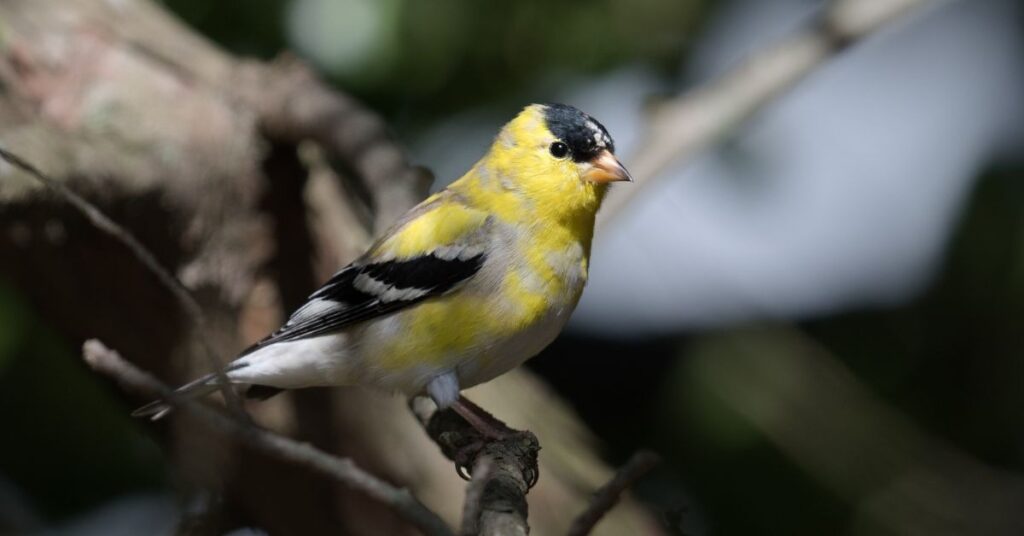
The American Goldfinch is a small and colorful bird found across North America. It is best known for its bright yellow feathers during the breeding season. In winter, its color turns duller, which helps it blend into its surroundings. This bird loves open areas like fields, gardens, and roadsides. It often visits backyards where food and water are easy to find.
American Goldfinches mainly eat seeds, especially sunflower and thistle seeds. They are active during the day and often fly in small groups. Their cheerful song makes them easy to recognize. These birds build neat nests in shrubs and small trees. Their friendly nature and bright look make them popular among bird watchers and nature lovers.
2. House Finch
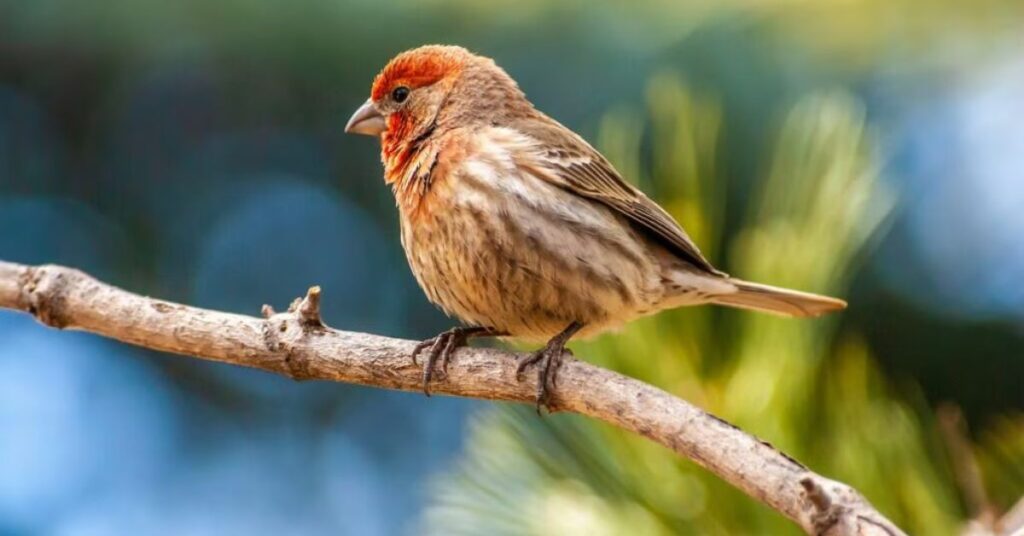
The House Finch is a small bird that lives close to people. It is commonly seen in cities, towns, and farms. Male House Finches have red or orange colors on their head and chest. Females are brown with light streaks. These birds easily adapt to different environments and often build nests on buildings and trees.
House Finches enjoy eating seeds, fruits, and buds. They frequently visit bird feeders in gardens and balconies. Their song sounds cheerful and fast. House Finches like to stay in groups, especially outside the breeding season. Their ability to live near humans has helped them spread widely across many regions.
3. Purple Finch
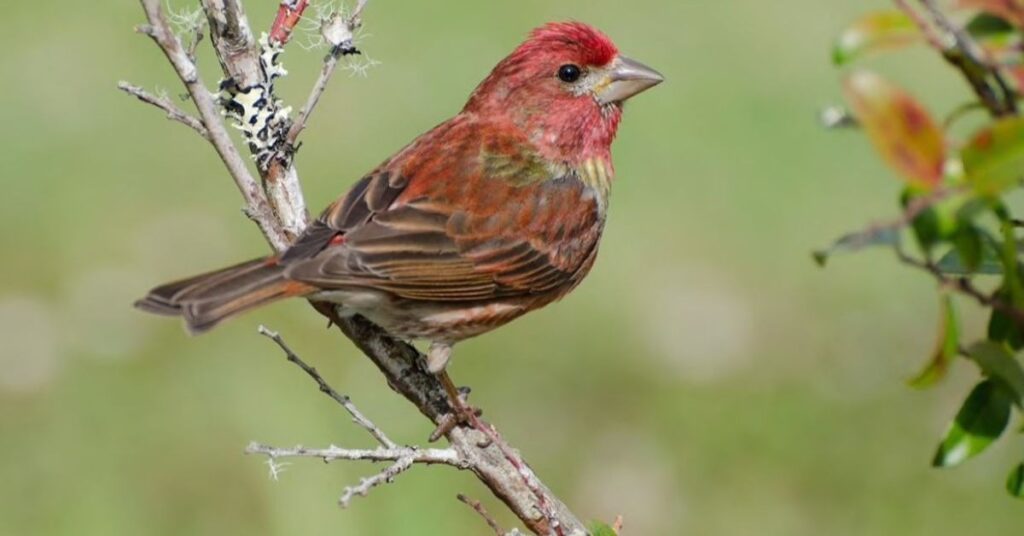
The Purple Finch is a small songbird known for its rich color. Males have a deep reddish tone on their head and chest. Females look brown with bold streaks and a light face pattern. This bird lives in forests, woodlands, and areas with tall trees. It often appears in gardens during colder months.
Purple Finches eat seeds, berries, and small fruits. They enjoy visiting feeders, especially those with sunflower seeds. Their song sounds soft and musical. These birds are calm and shy by nature. Bird lovers enjoy watching them because of their gentle behavior and beautiful colors.
4. Cassin’s Finch
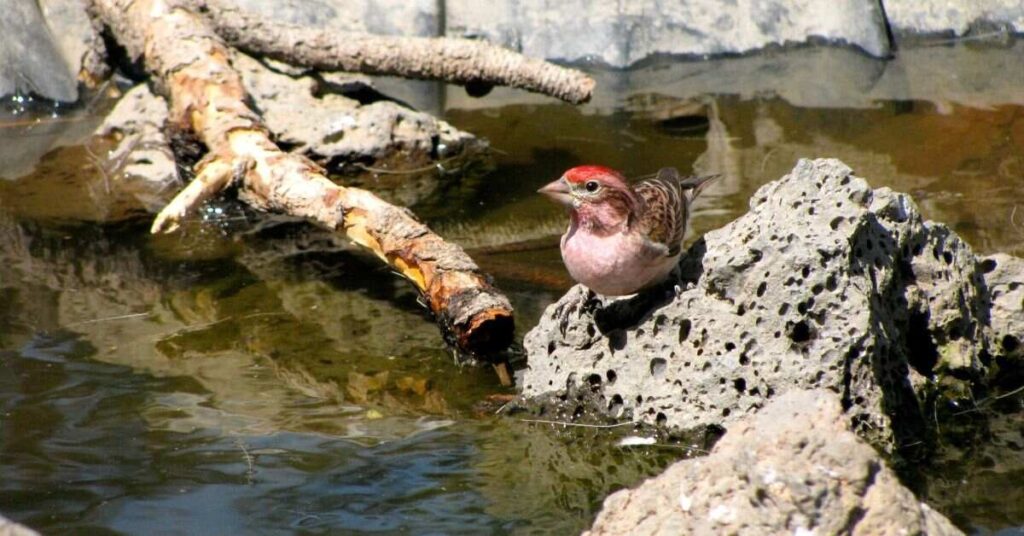
Cassin’s Finch is a medium sized finch found in mountain regions. It lives mainly in conifer forests with pine and spruce trees. Male Cassin’s Finches have a red cap and light pink color on the body. Females are brown with fine streaks. These birds often stay high in trees, which makes them harder to spot.
Cassin’s Finches feed on seeds, buds, and small insects. They may visit bird feeders during winter. Their song is clear and pleasant. These birds are quiet and less aggressive than some other finches. Their calm nature and mountain habitat make them special to bird watchers.
5. Lesser Goldfinch
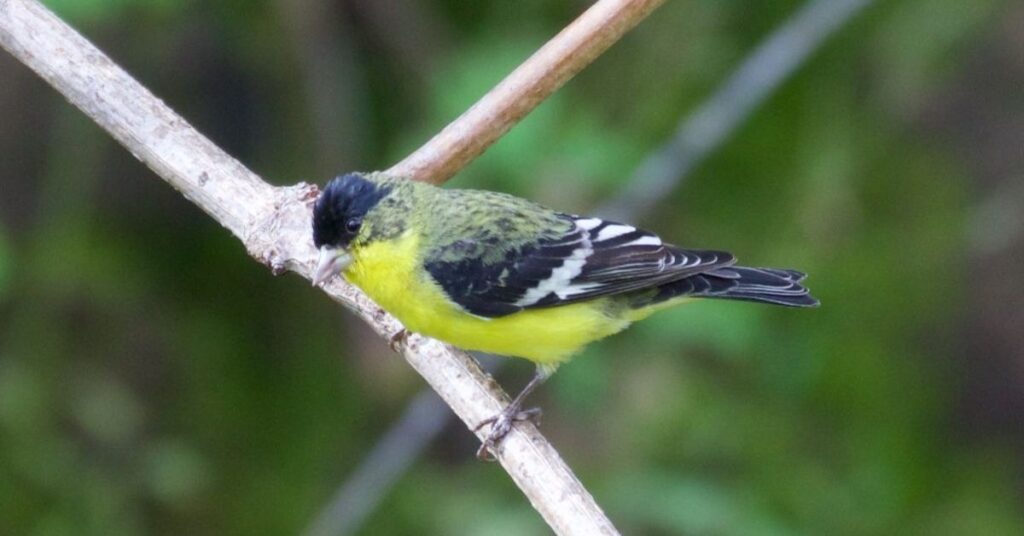
The Lesser Goldfinch is a small and lively bird found in western regions. It lives in open woodlands, gardens, and desert areas with trees. Males have a black head and bright yellow body. Females look duller with olive tones. This bird moves quickly and often feeds in groups.
Lesser Goldfinches love eating seeds, especially sunflower and thistle seeds. They also eat small insects at times. Their song sounds fast and high pitched. These birds often visit backyard feeders. Their active nature and bright colors make them fun to watch in the wild.
Read about it more :https://www.wildlifenomads.com/blog/types-of-finch-birds/
6. Pine Siskin
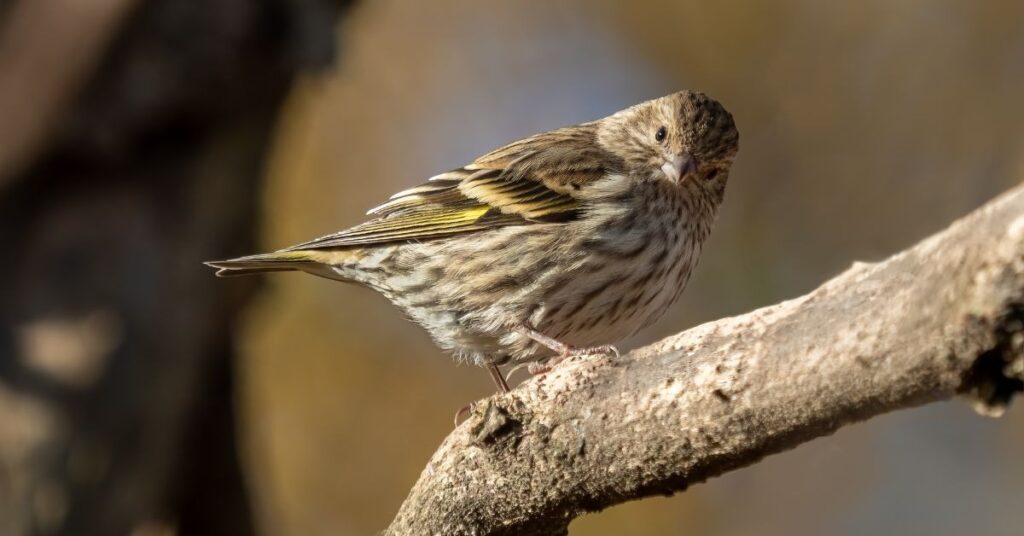
The Pine Siskin is a small finch with a slim body and streaked feathers. It is usually brown with touches of yellow on the wings and tail. This bird lives in forests filled with pine and spruce trees. It can also be seen in parks and gardens during winter.
Pine Siskins feed on seeds, especially from pine cones and feeders. They often travel in large flocks and move from place to place. Their call sounds sharp and buzzing. These birds are active and energetic. Bird watchers enjoy seeing them when they visit backyard feeders in large numbers.
7. European Goldfinch
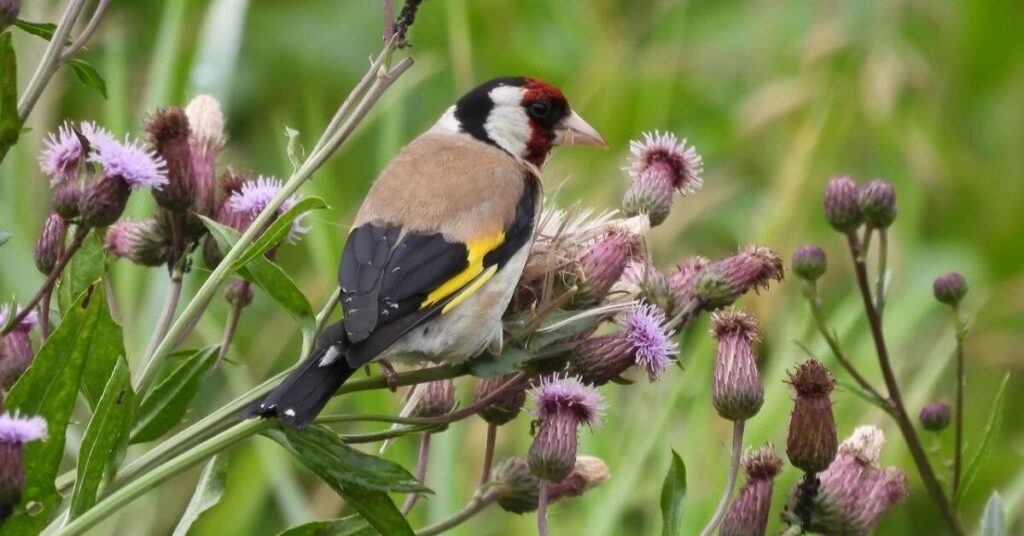
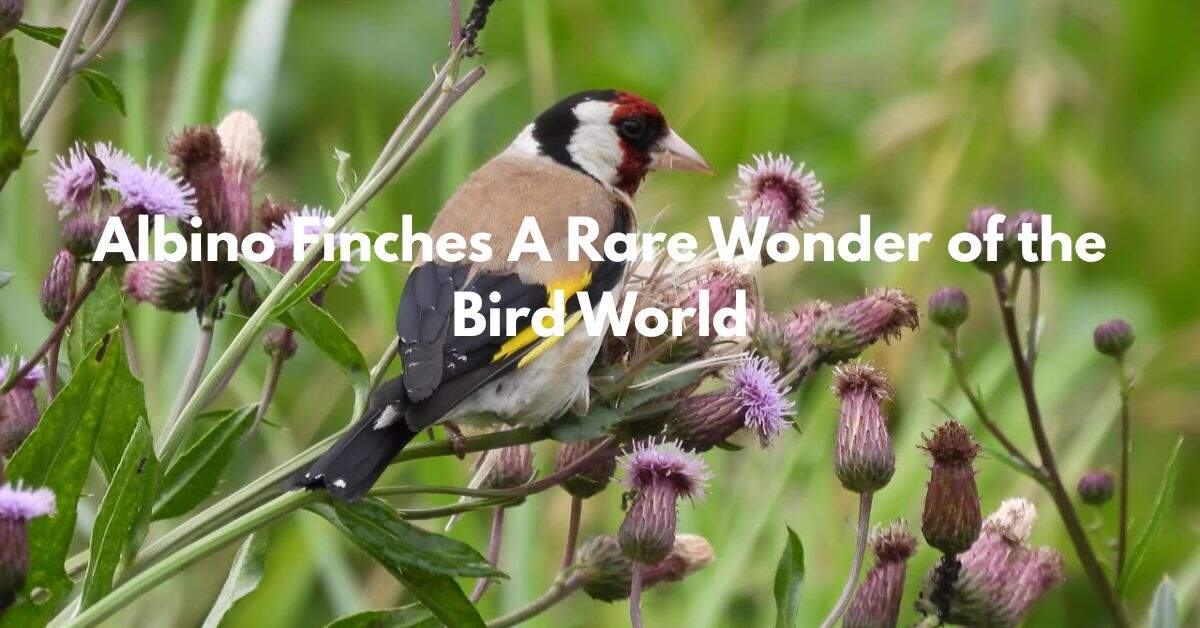
The European Goldfinch is a small and colorful bird found in Europe, North Africa, and western Asia. It has a bright red face, black and white head, and golden patches on its wings. Females look similar but with slightly duller colors. This bird lives in open fields, gardens, and woodland edges, often near people.
European Goldfinches mainly eat seeds, especially from thistles and dandelions. They also feed on buds and small insects. Their song is soft, sweet, and melodic. These birds often form small flocks, especially outside the breeding season. Their beauty and cheerful behavior make them popular among bird watchers and nature lovers.
8. Canary
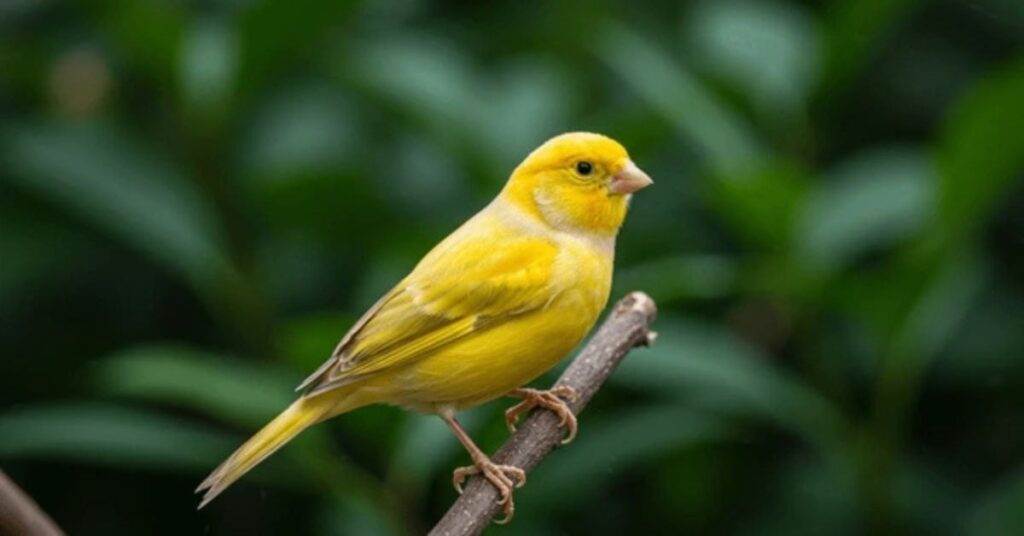
The Canary is a small and cheerful bird known for its bright yellow feathers. Some canaries also have orange, white, or green shades. They are native to the Canary Islands but are now kept as pets worldwide. Canaries enjoy open spaces with plenty of sunlight and fresh air.
Canaries mainly eat seeds, fruits, and vegetables. They are famous for their beautiful singing, especially males. These birds are active and love to fly around their cages or aviaries. Canaries are gentle and easy to care for, making them popular among beginner bird enthusiasts.
9. Zebra Finch
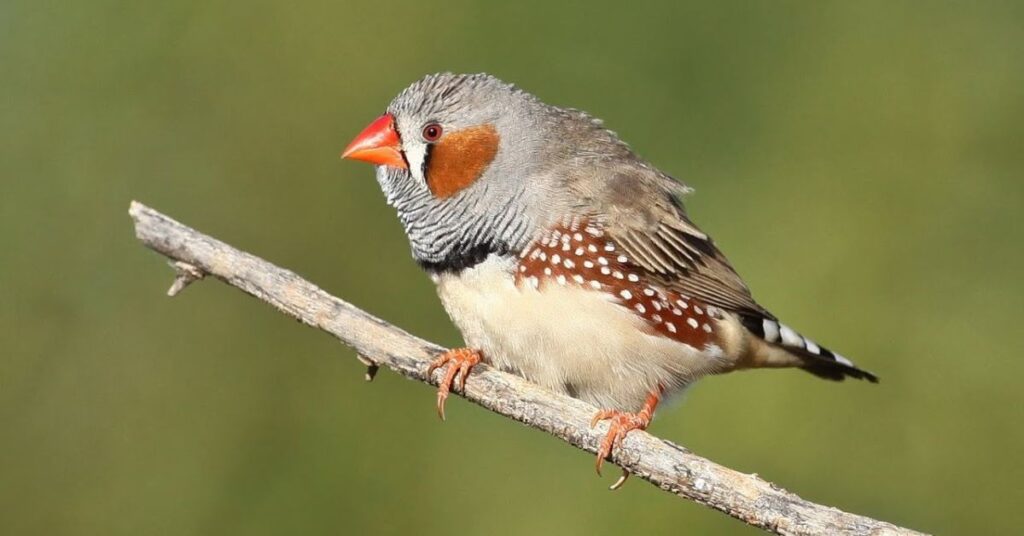
The Zebra Finch is a small and lively bird native to Australia. It has gray and white feathers with black stripes on the tail and orange cheeks in males. Females are mostly gray with lighter markings. This bird lives in grasslands, forests, and near water sources, often forming large flocks.
Zebra Finches eat seeds, small plants, and occasional insects. They are very social and communicate with cheerful chirps and calls. These birds breed easily in captivity and the wild. They build small nests in shrubs or trees. Their playful nature and bright markings make them popular among bird lovers and pet owners.
10. Gouldian Finch
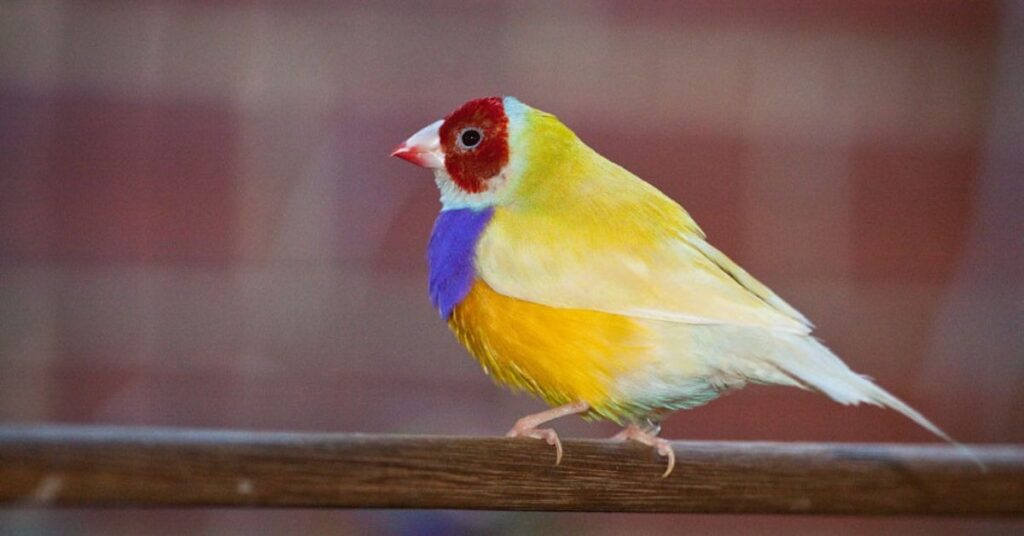
The Gouldian Finch is a small and brightly colored bird from northern Australia. Males have vibrant feathers in red, green, yellow, and blue. Females are less colorful but still beautiful with softer shades. This bird lives in open woodlands and grassy areas near water sources.
Gouldian Finches mainly eat grass seeds and small insects. They are social birds and often form flocks. Their calls are soft and pleasant. These finches prefer safe places to build nests in tree hollows. Their bright colors and gentle nature make them a favorite among bird watchers and breeders.
Why Albinism Occurs in Finches
Albinism occurs due to a genetic mutation. Both parent birds must carry the recessive gene. When they pass this gene to their offspring, albino finches may be born.
This mutation does not come from diet or environment. It exists within the bird’s DNA. Random genetic changes cause it. In captivity, selective breeding can increase the chance of albino finches. In the wild, this happens naturally but rarely.
Albinism does not provide survival advantages. In fact, it creates difficulties. That is why albino finches remain uncommon in nature.
Some people believe albinism signals weakness. That belief is not always true. Albino finches can live healthy lives with proper care. The key lies in understanding their special needs and challenges.
Survival Challenges Faced by Albino Finches
Albino finches face serious survival challenges, especially in the wild. Their white feathers remove natural camouflage. Predators spot them easily among trees and shrubs.
Their vision can also be affected. The lack of pigment in their eyes makes them sensitive to bright light. This can reduce their ability to escape danger quickly.
Albino finches may also struggle socially. Other birds may not recognize them as easily. This can affect mating and flock behavior. In some cases, albino finches face rejection from their group.
Weather creates another challenge. Without pigment, their feathers offer less protection from sunlight. Heat stress becomes a concern in warm climates.
Because of these issues, albino finches rarely survive long in the wild. Protected habitats and human care often improve their chances.
Habitat and Distribution of Albino Finches
Albino finches appear wherever finches live. They do not have a separate habitat. Their location depends on the species they belong to.
In the wild, albino finches may appear in forests, grasslands, gardens, and open fields. However, spotting one remains rare due to their low survival rate.
In captivity, albino finches live in aviaries and homes. Breeders may observe them more often because predators are absent and food is available.
Climate does not directly cause albinism. However, albino finches prefer environments with shade and shelter. This helps protect their sensitive eyes and skin.
Providing safe spaces plays a major role in their comfort and health.
Behavior and Social Life of Albino Finches
Albino finches behave much like normal finches. They chirp, forage, and interact with others. Their condition does not change their natural instincts.
However, their appearance can influence how other birds treat them. Some finches may avoid albino finches at first. Over time, flock members may accept them.
In captivity, albino finches often socialize well when raised with others. Early interaction helps them adapt.
Stress can affect albino finches more easily. Calm surroundings and gentle handling help them thrive. Loud noises and bright lights should be avoided.
Understanding their behavior helps owners and wildlife carers provide better support.
Caring for Albino Finches in Captivity
Caring for albino finches requires attention and patience. Their needs differ slightly from normal finches.
Light control remains important. Soft natural light works best. Direct sunlight should be limited. This protects their eyes and skin.
A balanced diet supports their health. Fresh seeds, greens, and clean water help maintain strength. Supplements may support vision and immunity.
Clean living spaces prevent infections. Albino finches may have weaker resistance to illness. Hygiene reduces risks.
Social interaction matters too. Albino finches feel safer with companions. Isolation can cause stress.
With proper care, albino finches can live long and comfortable lives in captivity.
Conservation and Awareness of Albino Finches
Albino finches remind us of nature’s delicate balance. Their rarity highlights the importance of biodiversity.
Conservation efforts focus on protecting natural habitats. Safe environments increase survival chances for all finches, including albino ones.
Education also plays a key role. When people understand albino finches, myths fade away. Respect and care replace fear or neglect.
Wildlife organizations encourage ethical bird keeping. Breeding albino finches should focus on health rather than appearance.
Raising awareness supports responsible wildlife interaction and long term conservation.
Interesting Facts About Albino Finches
Albino finches cannot produce melanin at any stage of life. Their color never changes.
Their pink eyes result from visible blood vessels, not eye color pigment.
Albino finches may hear and sing normally despite vision sensitivity.
Their rarity makes them valuable for genetic research and education.
Conclusion
Albino finches are rare and fascinating birds that show nature’s genetic diversity. Their white feathers and gentle presence attract curiosity and admiration. Yet their lives come with challenges that many birds never face.
Understanding albino finches helps us appreciate wildlife beyond appearance. It reminds us that survival depends on adaptation and protection. Through awareness, care, and conservation, we can support these unique birds.
By respecting nature and learning about albino finches, we take one step closer to protecting biodiversity for future generations.
FAQs
What makes albino finches different from other finches?
Albino finches lack melanin completely, giving them white feathers and pink eyes.
Can albino finches survive in the wild?
They can survive but face higher risks from predators and sunlight.
Are albino finches healthy birds?
With proper care, albino finches can live healthy lives.
Do albino finches belong to one species?
No, albinism can occur in many finch species.
Should albino finches be bred intentionally?
Breeding should focus on health and ethics rather than appearance alone.
