

Introduction
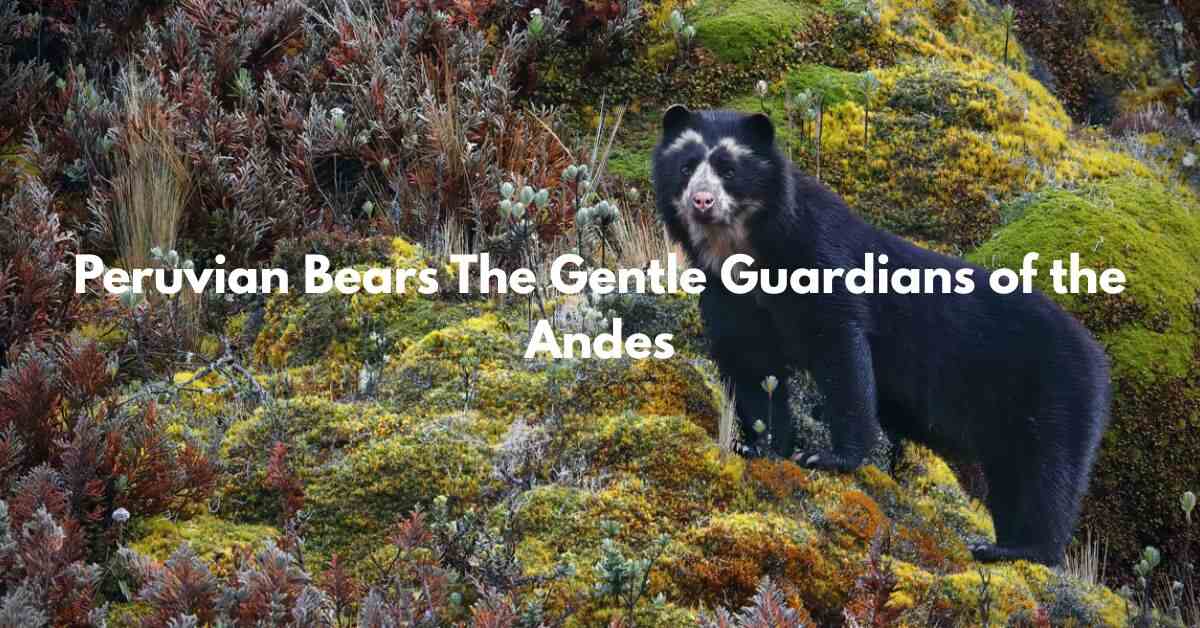
Peruvian bears are one of the most fascinating animals found in South America. They live high in the mountains and forests of Peru. Many people know them as spectacled bears. South American bears are the only species native to the continent. These bears play an important role in nature. They help forests grow and stay healthy.
Peruvian bears are shy and peaceful animals. They avoid humans and prefer quiet places. Their unique facial markings make them easy to recognize. These light markings look like glasses around their eyes. Their popular name comes from this.
This guide explores everything about peruvian bears. You will learn where they live. You will also understand why they matter so much for conservation. If you love wildlife, this article will help you see why peruvian bears are truly special.
Peruvian Bears and Their Natural Habitat
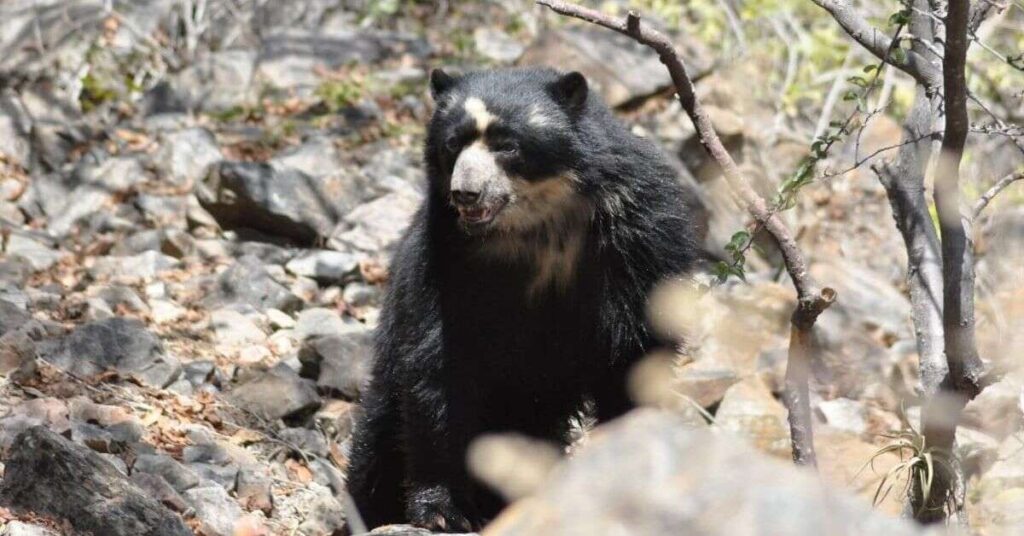
Peruvian bears live mainly in the Andes Mountains. In Peru, they are found in cloud forests, mountain forests, and high grasslands. These areas provide food, shelter, and safety. The climate here is cool and often misty. This environment suits peruvian bears very well.
They prefer forests with thick plants and tall trees. These forests give them fruits, leaves, and places to climb. Peruvian bears are excellent climbers. They often build platforms in trees to rest and eat. This behavior helps them stay away from danger.
Their habitat range changes with seasons. During fruit seasons, peruvian bears move to lower forests. When food is scarce, they travel higher into the mountains. This movement helps spread seeds across large areas.
Here is a simple table showing their main habitats in Peru.
| Habitat Type | Location in Peru | Importance |
| Cloud forests | Northern and central Andes | Main food source |
| Mountain forests | Eastern Andes slopes | Shelter and breeding |
| High grasslands | Upper Andes regions | Seasonal feeding |
Protecting these habitats is essential. Without healthy forests, peruvian bears cannot survive.
Facts about Spectacled Bear
1. The Spectacled Bear Is the Only Bear in South America
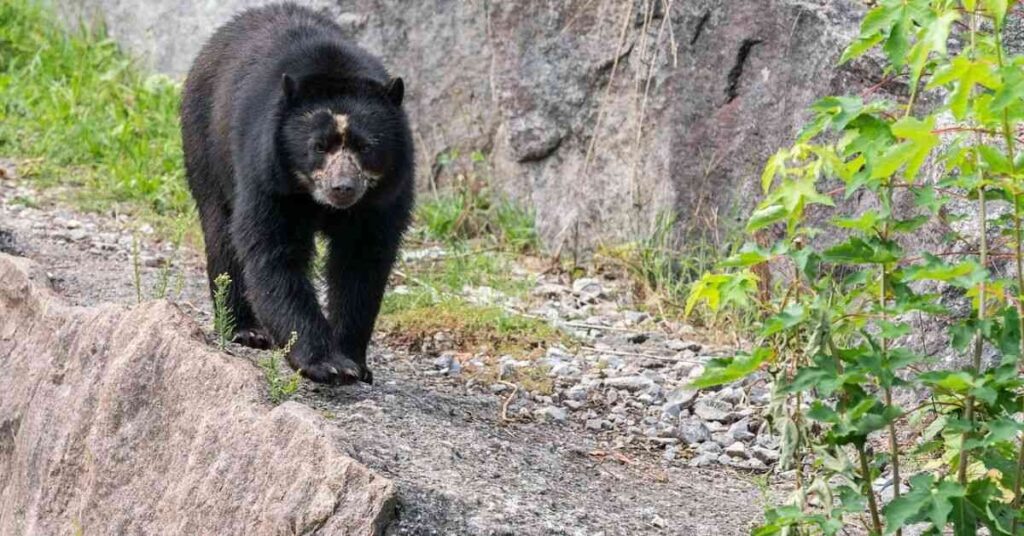
South America is home to only one species of bear, the spectacled bear. It lives mainly in the Andes Mountains. Many people in Peru call it the Peruvian bear. This bear is easy to recognize because of the light marks around its eyes. These marks look like glasses. Each bear has a different pattern. No two faces are the same.
This bear plays an important role in nature. It helps forests stay healthy by spreading seeds. It eats fruits and plants from many areas. As it moves, new plants grow behind it. The spectacled bear is calm and shy. It avoids people and prefers quiet forests. Its presence shows that the ecosystem is still strong.
2. Their Name Comes From Unique Face Markings
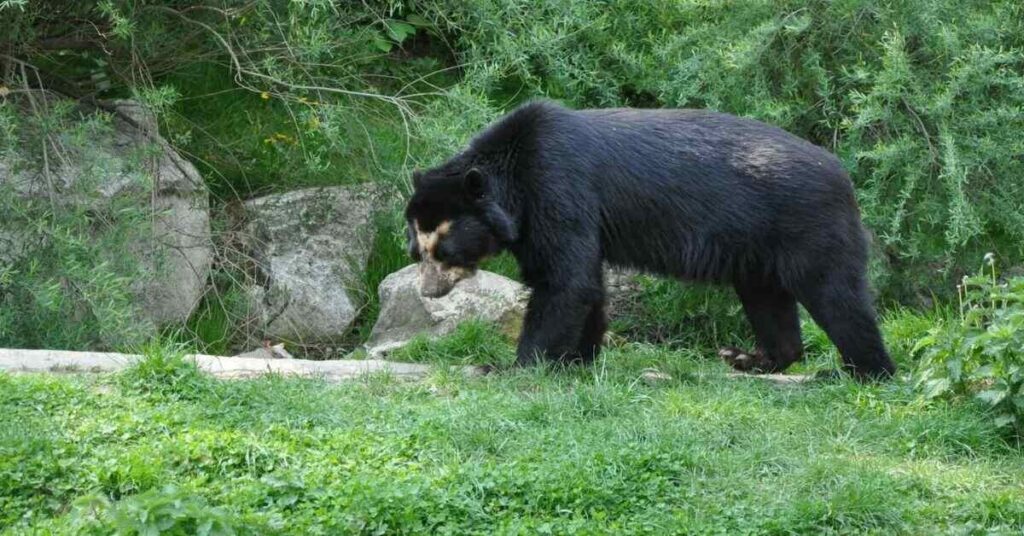
Peruvian bears are also called spectacled bears because of their faces. Light colored markings appear around their eyes. These marks often look like glasses. Some marks spread to the cheeks or neck. Every bear has a different pattern. This makes each one special.
These face markings help scientists study peruvian bears. Researchers use the patterns to identify individuals. This helps track movement and population size. The markings may also help bears recognize each other. These natural patterns are one of the most interesting features of peruvian bears.
3. Spectacled Bears Are Mostly Herbivores
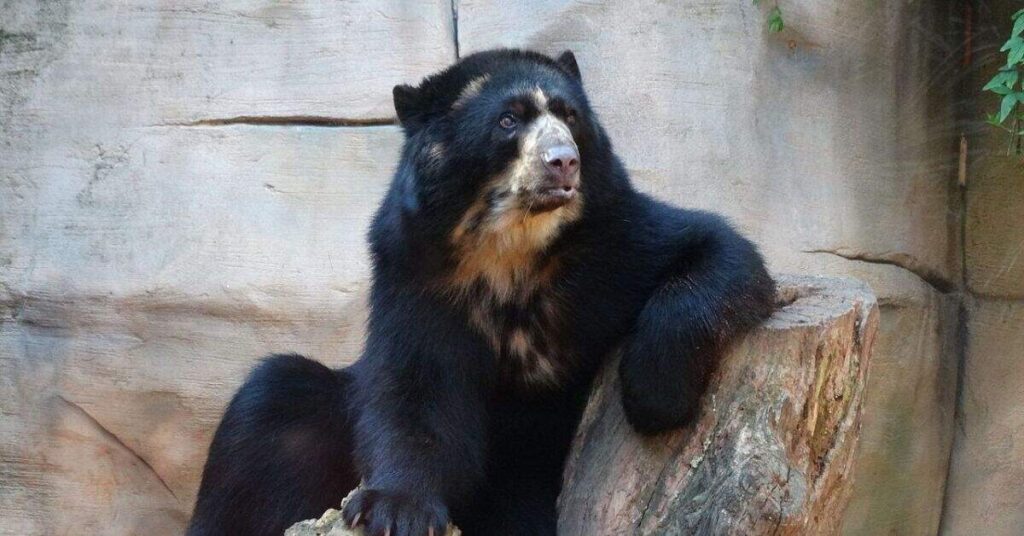
Spectacled bears eat mostly plants. Fruits are their favorite food. They eat berries, cactus fruits, and wild fruits from the forest. Leaves, stems, and roots are also important in their diet. They spend many hours searching for plants.
Sometimes they eat insects or small animals. This happens when plant food is limited. Meat is not a big part of their meals. Their plant based diet helps the forest stay healthy. When they eat fruits, they spread seeds. This helps new plants grow in different areas.
write 2 paragraphs in short sentences by using heading “4. They Live in the Andes—But Also in Dry Forests”, in simple English and human writing.
4. They Live in the Andes But Also in Dry Forests
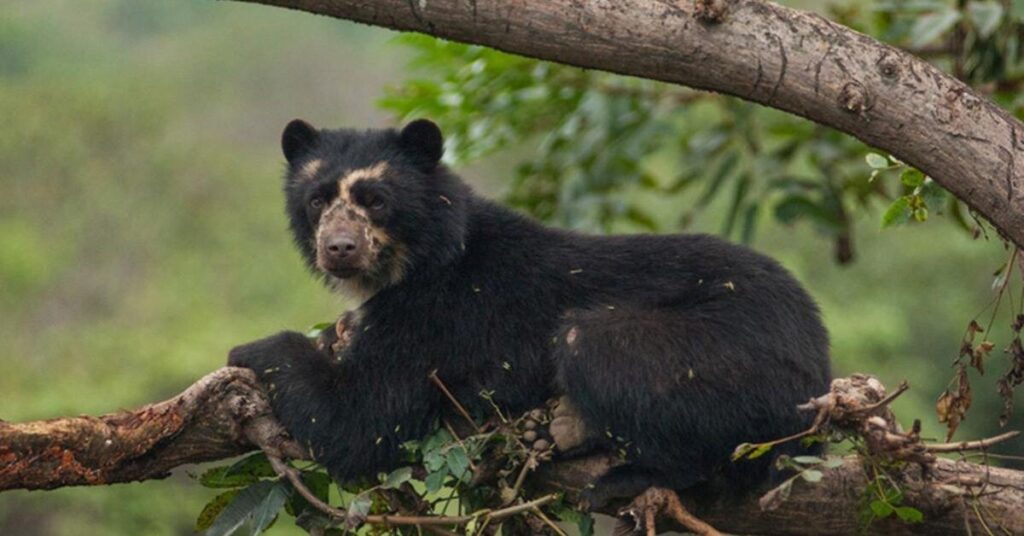
Spectacled bears are best known for living in the Andes Mountains. They are often found in cool cloud forests. These forests have thick plants and tall trees. The bears use trees for food and rest. The mountain environment gives them safety and shelter.
They also live in dry forests and grasslands. These areas have less rain and fewer trees. Spectacled bears move to these places when food is available. This shows how adaptable they are. They can survive in different habitats as long as food and space exist.
5. They’re Vital Seed Dispersers
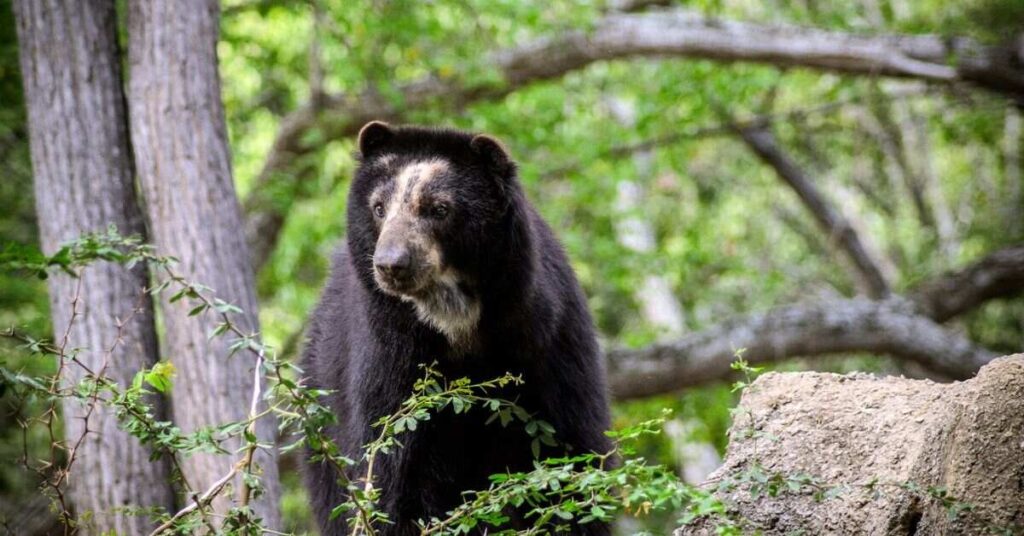
Spectacled bears play an important role in forest growth. They eat many types of fruits every day. When they move through the forest, they drop seeds on the ground. These seeds later grow into new plants. This process helps forests spread and stay healthy.
Many plants depend on spectacled bears to survive. Some seeds only grow well after passing through a bear’s body. This makes the bear a key helper of nature. Without these bears, many forests would grow slowly. Their role as seed dispersers supports the entire ecosystem.
6. Their Size Might Surprise You
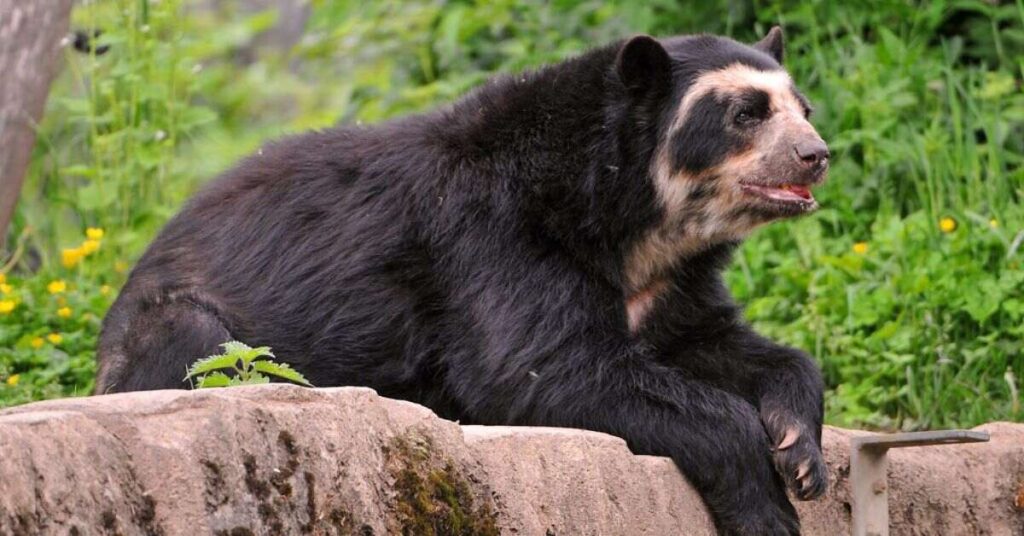
Spectacled bears are not as large as some other bears. Many people expect them to be very big. In reality, they are medium sized animals. Adult males are larger than females. Their size helps them move easily through forests and mountains.
Even with their moderate size, they are very strong. They can climb tall trees with ease. They can carry heavy branches and break tough plants. Their strength helps them find food and build resting platforms. This balance of size and power makes them well adapted to their environment.
7. They’re Shy, Solitary, and Hard to Study
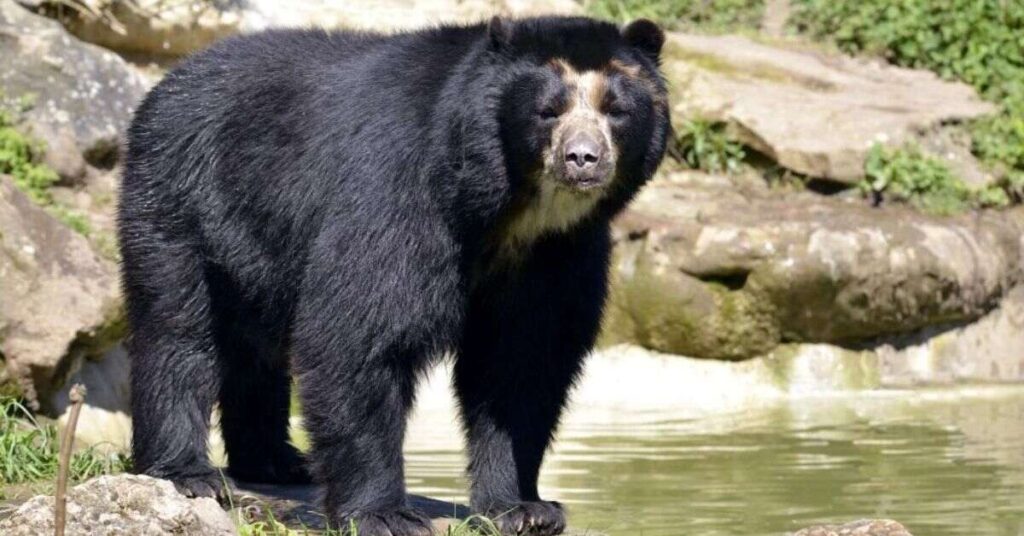
Spectacled bears are very shy animals. They avoid humans whenever possible. Most of the time, they live alone. Bears come together only during mating season or when food is plentiful. Their quiet nature makes them hard to find in the wild.
Because they are solitary, studying them is difficult. Researchers must use cameras and tracking tools. Observing them in forests takes patience. Their secretive behavior helps them stay safe, but it also makes learning about them a challenge.
8. There Are Fewer Than 10,000 Left in the Wild
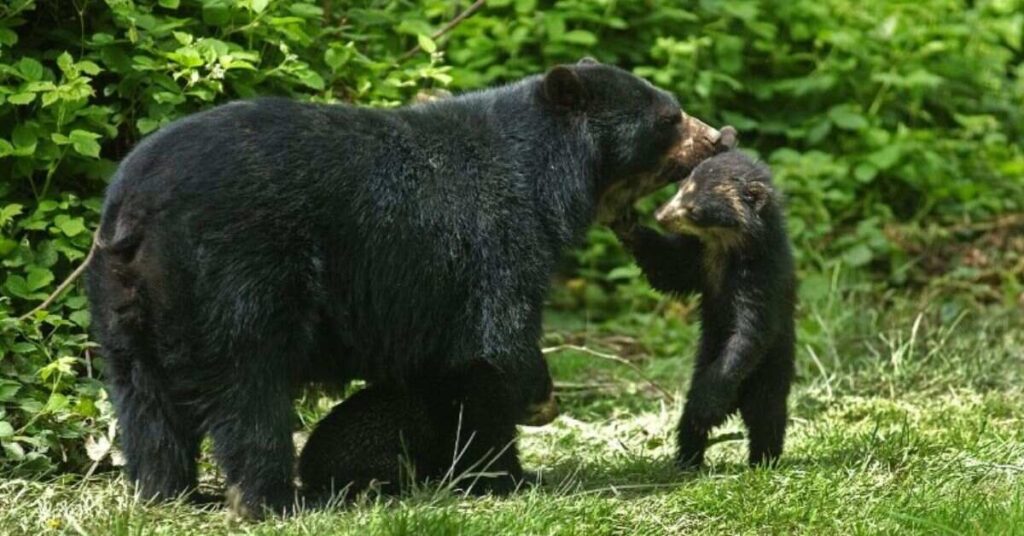
Spectacled bears are becoming rare in the wild. Experts estimate fewer than 10,000 remain. Their numbers have dropped because of habitat loss and human activities. Forests are cleared for farming, roads, and settlements. This reduces the space bears need to live safely.
Other threats include hunting and climate change. Bears sometimes enter farms looking for food. This can lead to conflicts with humans. Changes in rainfall and fruit availability make survival harder. Protecting these bears is urgent to prevent them from becoming endangered.
Read about it more:https://www.wildlifenomads.com/blog/spectacled-bears-12-facts/
Physical Features of Peruvian Bears
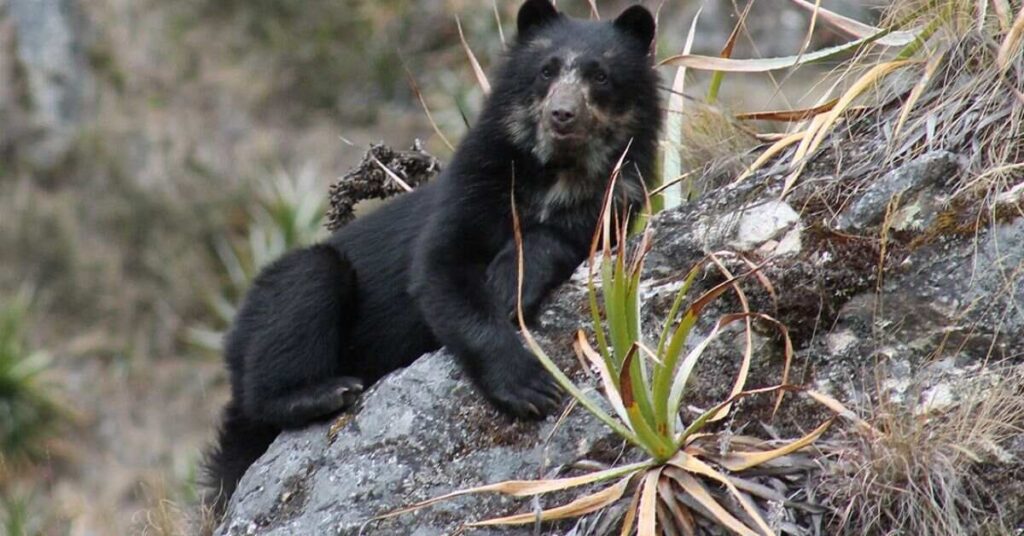
Peruvian bears have a strong and compact body. They are medium sized compared to other bears. Males are larger than females. Their fur is usually black or dark brown. Some bears have reddish tones.
The most striking feature is their facial markings. Light colored patches appear around the eyes and face. Each bear has a unique pattern. This makes it easier for researchers to identify individuals.
Peruvian bears have powerful claws. These claws help them climb trees and dig for food. Their teeth are adapted for plants. While they can eat meat, their teeth are better for crushing fruits and stems.
Their strong limbs allow them to walk long distances. They can travel across steep mountain slopes with ease. This physical strength helps them survive in tough environments.
These physical traits make peruvian bears well suited for life in the Andes. Every feature supports their daily needs.
Diet and Feeding Habits of Peruvian Bears
Peruvian bears are mostly plant eaters. Fruits make up a large part of their diet. They eat berries, cactus fruits, and wild avocados. Leaves, stems, and roots are also important foods.
They sometimes eat insects and small animals. This includes ants, termites, and rodents. Meat is not a major part of their diet. Their feeding habits help keep plant populations balanced.
Peruvian bears play a key role as seed spreaders. When they eat fruits, seeds pass through their body. These seeds grow into new plants far from the parent tree. This helps forests expand.
Their diet changes with seasons. During fruit shortages, they rely more on tough plants. This can cause conflict with humans.
Understanding their diet helps conservation efforts. Protecting food sources keeps peruvian bears away from farms and safe in the wild.
Where Peruvian Bears Live
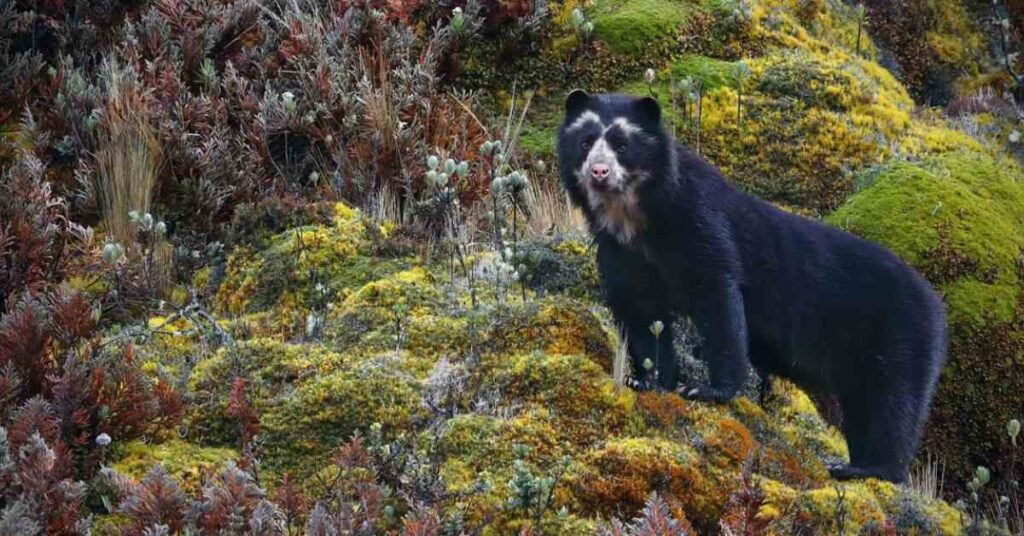
The habitat of peruvian bears spans an incredible range of elevations and environments. These adaptable animals can be found from sea level up to 16,000 feet in the high Andes. Peru contains some of the most important habitat for these bears anywhere in their range.
Cloud forests are the preferred home for most peruvian bears. These misty, humid forests cover the eastern slopes of the Andes Mountains between 6,000 and 10,000 feet elevation. The cool temperatures and abundant rainfall create perfect conditions for the plants that bears love to eat.
The Machu Picchu Historic Sanctuary protects approximately 70 spectacled bears. Visitors hiking the famous Inca Trail occasionally spot these shy animals moving through the trees during early morning or late afternoon hours. The bears sometimes even wander through the ancient ruins themselves.
Northern Peru’s dry forests also support important bear populations. These areas receive far less rain than cloud forests, but peruvian bears have learned to survive here by eating cacti and other drought-resistant plants. Scientists only recently discovered healthy bear populations living in these unexpected habitats.
| Habitat Type | Elevation Range | Key Features |
| Cloud Forests | 6,000 – 10,000 feet | Misty conditions, abundant fruit trees, high rainfall |
| High-Altitude Grasslands | 10,000 – 16,000 feet | Bromeliad plants, steep slopes, seasonal feeding grounds |
| Dry Forests | Below 6,000 feet | Cacti, scrubland, seasonal water sources |
| Tropical Rainforest | 500 – 6,000 feet | Dense vegetation, diverse fruit sources, year-round food |
Peruvian bears need large territories to find enough food throughout the year. Male bears may roam across areas spanning 10 square miles or more. They travel between different elevation zones following the ripening of various fruits and the growth of their favorite plants.
Behavior and Daily Life of Peruvian Bears
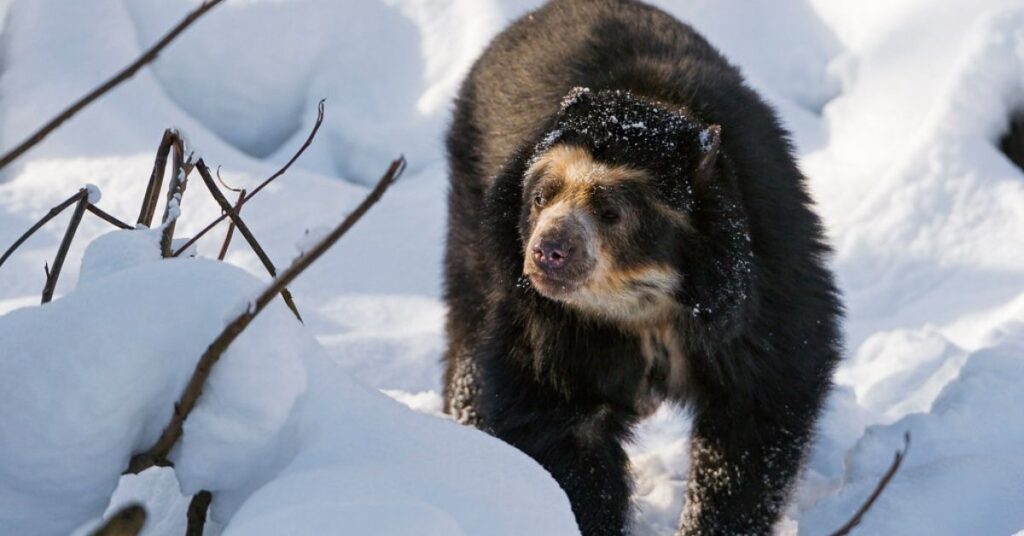
Peruvian bears are mostly solitary animals. They prefer to live alone. They come together only during mating season or when food is abundant. Mothers stay with their cubs for up to two years.
They are active during the day and night. Activity depends on food availability and human presence. In quiet areas, they move freely during daylight.
Peruvian bears communicate using sounds and body language. They growl, snort, and make soft noises.
They are intelligent animals. This intelligence helps them avoid danger.
Their calm nature makes them less aggressive than other bears. Most encounters with humans end with the bear retreating.
Reproduction and Life Cycle of Peruvian Bears
Mating season for peruvian bears usually occurs between April and June. After mating, the female experiences delayed implantation.
Cubs are born between November and February. Usually one or two cubs are born. Cubs are very small at birth. They depend fully on their mother.
The mother teaches cubs how to find food and climb trees. This training is vital for survival.
Peruvian bears can live up to 25 years in the wild. In protected areas, some live longer. Survival depends on habitat quality and safety.
Strong family bonds help young bears learn essential skills.
Why Peruvian Bears Matter to the Ecosystem
Peruvian bears are known as ecosystem engineers. Their actions shape the environment. By spreading seeds, they help forests grow and recover.
They create open spaces in dense forests. This allows sunlight to reach the ground. New plants grow in these spaces.
Their feeding behavior controls plant populations. This balance supports other wildlife. Birds, insects, and mammals benefit from healthy forests.
Without peruvian bears, forest ecosystems would change. Some plants would disappear. Others would grow too much.
Protecting peruvian bears means protecting entire ecosystems. Their role is vital for biodiversity.
Threats Facing Peruvian Bears Today
Peruvian bears face many threats. Habitat loss is the biggest problem. Forests are cleared for farming and roads. This reduces safe living space.
Human wildlife conflict is another issue. When bears eat crops, farmers may harm them. Fear and misunderstanding increase this conflict.
Illegal hunting also affects populations. Some people hunt bears for body parts or fear.
Climate change alters food availability. Changes in rainfall affect fruit growth. Bears must travel farther for food.
These threats put pressure on peruvian bears. Conservation action is urgently needed.
| Threat | Impact Level | Primary Cause |
| Habitat Loss | Very High | Agriculture, development, road construction |
| Illegal Hunting | High | Traditional medicine, meat, retaliation |
| Human-Wildlife Conflict | High | Crop raiding, livestock predation |
| Climate Change | Moderate | Temperature shifts, changing plant distributions |
| Habitat Fragmentation | Very High | Roads, settlements, agricultural expansion |
Conservation Efforts for Peruvian Bears
Many organizations work to protect peruvian bears. National parks provide safe habitats. These protected areas limit human activity.
Education programs help local communities. People learn how bears benefit nature. This reduces fear and conflict.
Wildlife corridors connect forest areas. These paths allow bears to move safely. Movement is important for healthy populations.
Research helps track bear numbers and behavior. Data supports better protection plans.
Supporting conservation efforts helps secure the future of peruvian bears.
How Humans Can Help Protect Peruvian Bears
People can help in many ways. Supporting conservation groups makes a difference. These groups protect habitats and educate communities.
Responsible tourism also helps. Visiting protected areas supports local economies. This encourages forest protection.
Sharing knowledge raises awareness. When people understand peruvian bears, they care more.
Simple actions create lasting impact. Every effort counts.
Conclusion
Peruvian bears are gentle and important animals. They support forests and biodiversity. Their survival depends on healthy habitats and human understanding.
Protecting peruvian bears protects nature itself. When forests thrive, all life benefits. Learning about these bears is the first step toward conservation.
By caring for peruvian bears, we help preserve the natural beauty of Peru for future generations.
FAQs
Are peruvian bears dangerous to humans?
Peruvian bears are shy and avoid people. Attacks are very rare.
What do peruvian bears eat the most?
They mainly eat fruits, plants, and leaves.
Where can peruvian bears be found?
They live in the Andes Mountains of Peru and nearby countries.
Why are peruvian bears important?
They help forests grow by spreading seeds.
Are peruvian bears endangered?
They are classified as vulnerable due to habitat loss.
