

Introduction
Brazil wildlife animals attract nature lovers from all over the world. Brazil holds one of the richest collections of wildlife on Earth. The country covers vast rainforests, wetlands, grasslands, rivers, and coastal regions. Each area supports unique animals that cannot live anywhere else.
Brazil wildlife animals play an important role in keeping nature balanced. Many species help forests grow, rivers stay clean, and ecosystems remain healthy. From colorful birds to powerful predators, Brazil offers endless wildlife wonders.
People visit Brazil to see wildlife in its natural home. Jaguars roam forests. Macaws fly above tree canopies. River dolphins swim in freshwater rivers. Every region tells a different wildlife story.
This guide explores brazil wildlife animals in detail. You will learn about famous species, hidden creatures, major habitats, and conservation efforts. The journey will help you understand why protecting Brazil’s wildlife matters for the planet.
1. Jaguar
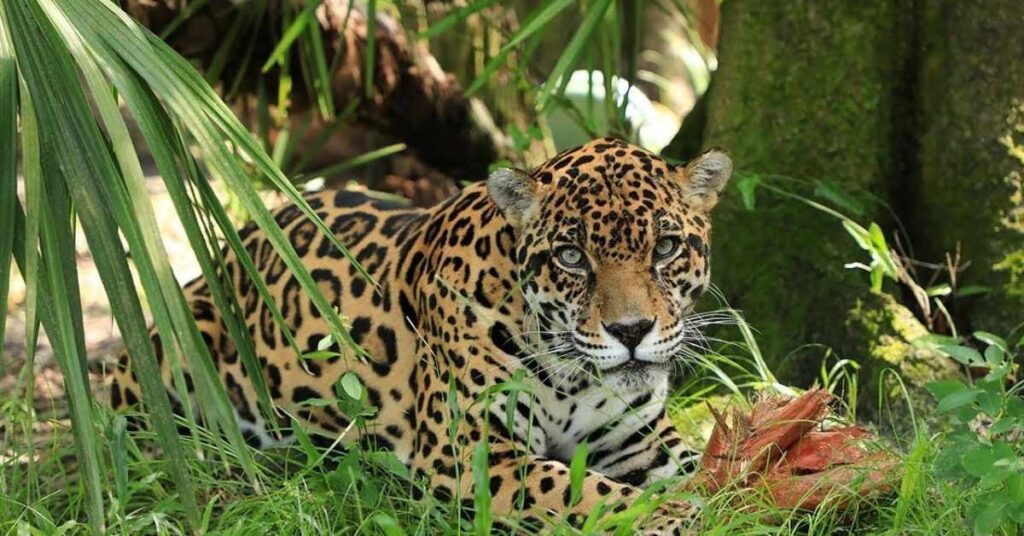
The jaguar is one of the most powerful animals found in Brazil. It lives in rainforests, wetlands, and river areas. This big cat has a strong body and sharp senses. Its spotted coat helps it blend into the forest. Jaguars usually stay alone and move quietly. They hunt mostly at night. Their presence keeps animal populations balanced.
Jaguars are excellent swimmers and love water. They often hunt near rivers and lakes. Fish, deer, and capybaras are part of their diet. The jaguar has an extremely strong bite. It can break bones and turtle shells easily. Protecting jaguars also protects many other species. When jaguars thrive, the whole ecosystem stays healthy.
2. Golden Lion Tamarin
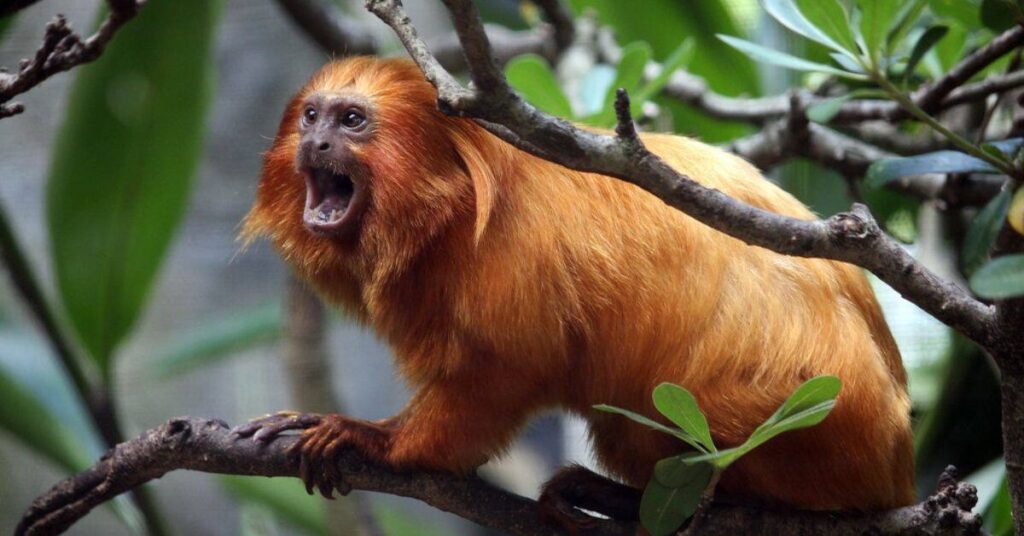
Brazil is home to the golden lion tamarin, a small monkey. It lives in the Atlantic Forest. Its bright golden fur makes it easy to recognize. This monkey has a long tail and a friendly face. It moves quickly through trees and vines. Golden lion tamarins live in family groups and care for each other.
These monkeys eat fruits, insects, and small animals. They help spread seeds in the forest. This supports plant growth and healthy habitats. The golden lion tamarin was once close to extinction. Conservation programs helped increase its numbers. Protecting forests is key to its survival.
3. Pink River Dolphin
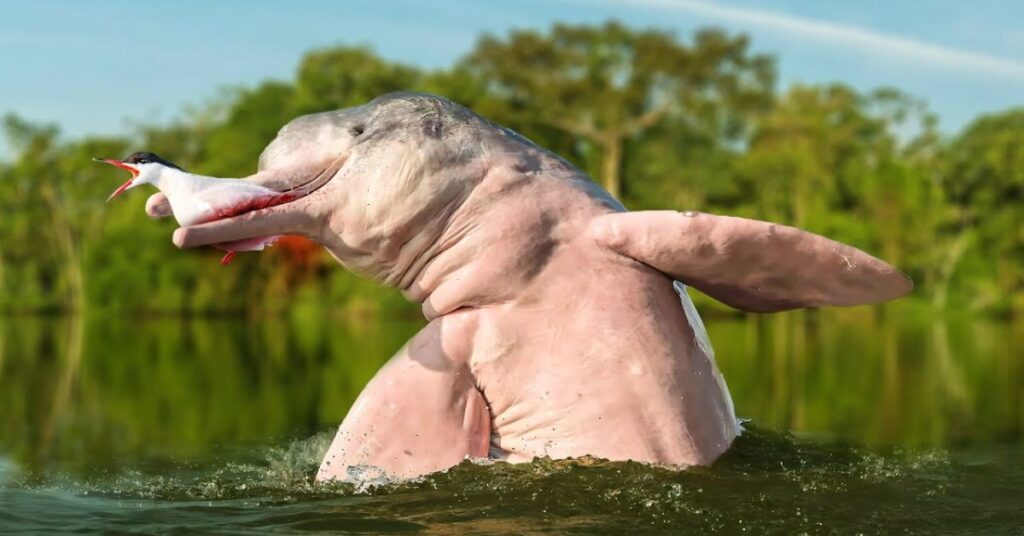
The pink river dolphin lives in the freshwater rivers of Brazil. The Amazon river dolphin is also known as the Amazon river dolphin. Its skin appears pink, especially in adults. This color comes from blood vessels close to the skin. The dolphin has a long snout and small eyes. It moves easily through flooded forests and rivers.
Pink river dolphins are very intelligent and curious animals. They feed on fish, crabs, and small river creatures. These dolphins often swim near riverbanks and trees. Clean rivers are important for their survival. Pollution and fishing nets can harm them. Protecting rivers helps keep pink river dolphins safe.
4. Giant Otter
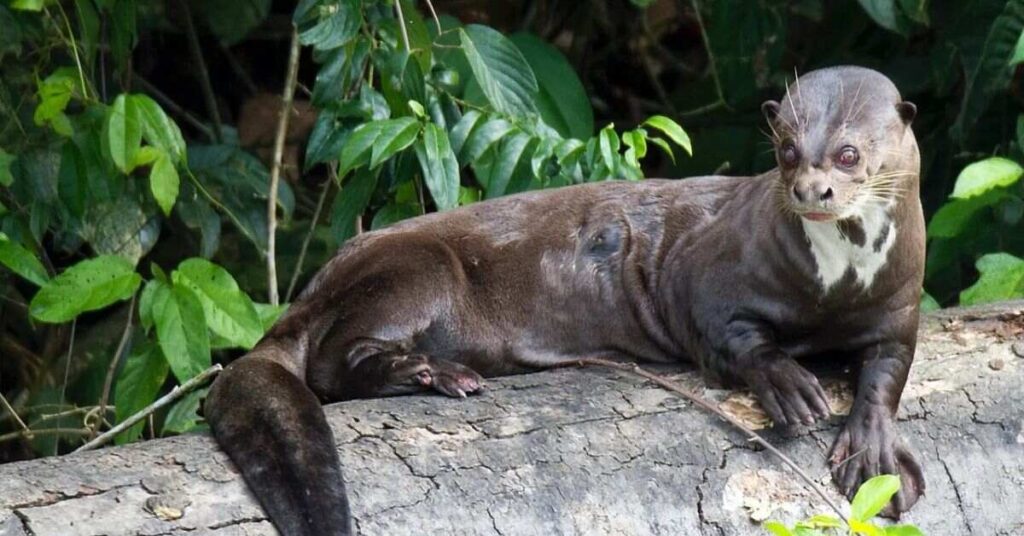
The giant otter is one of the largest otter species in the world. It lives in rivers and wetlands across Brazil. This animal has a long body and strong tail. Its thick fur keeps it warm in water. Giant otters are very active during the day. They are often seen swimming and playing together.
Giant otters live in close family groups. They communicate using loud calls and sounds. Fish make up most of their diet. These otters need clean rivers to survive. Water pollution and habitat loss threaten them. Protecting waterways helps giant otters and many other species.
5. Harpy Eagle
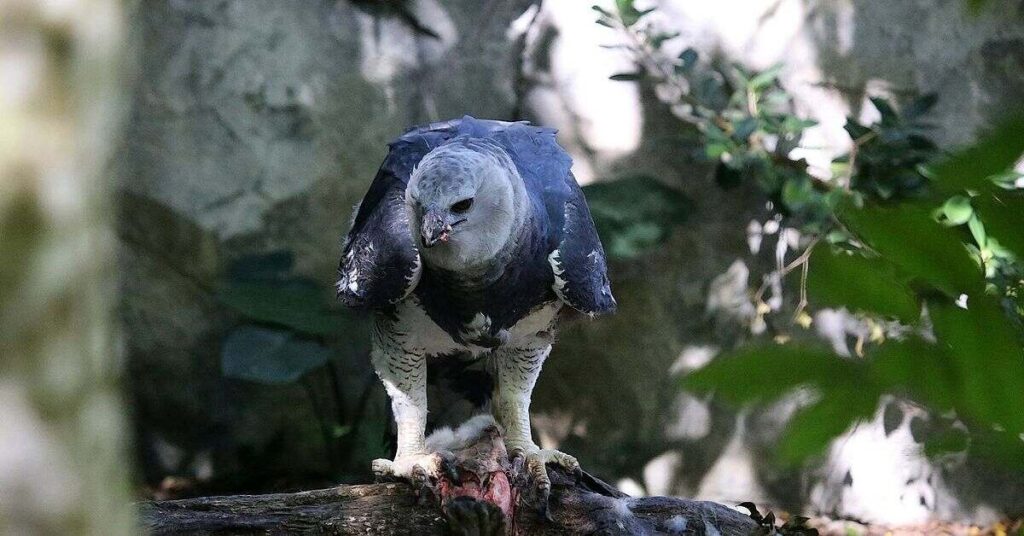
The harpy eagle is one of the largest and strongest eagles in the world. It lives in the rainforests of Brazil. This bird has wide wings and powerful claws. Its sharp eyes help it spot prey from high tree branches. The harpy eagle spends most of its life in tall forest canopies.
Harpy eagles hunt monkeys and sloths for food. They play an important role in keeping animal numbers balanced. These birds need large forest areas to survive. Deforestation threatens their nesting sites. Protecting rainforests helps keep harpy eagles safe.
6. Capybara
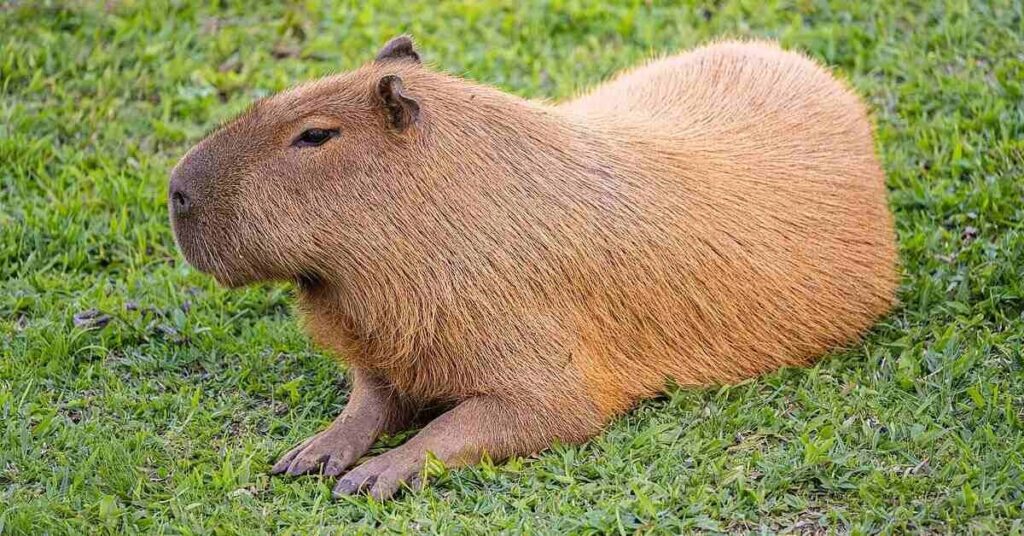
Capybaras are the world’s largest rodents. It lives near rivers, lakes, and wetlands in Brazil. This animal has a round body and short legs. Capybaras are excellent swimmers. They often stay close to water for safety. These animals live in large social groups.
Capybaras eat grasses and water plants. Many predators depend on them for food. This makes them important for the ecosystem. Capybaras are calm and gentle animals. Clean water and healthy wetlands help them survive. Protecting these areas supports capybaras and other wildlife.
7. Maned Wolf
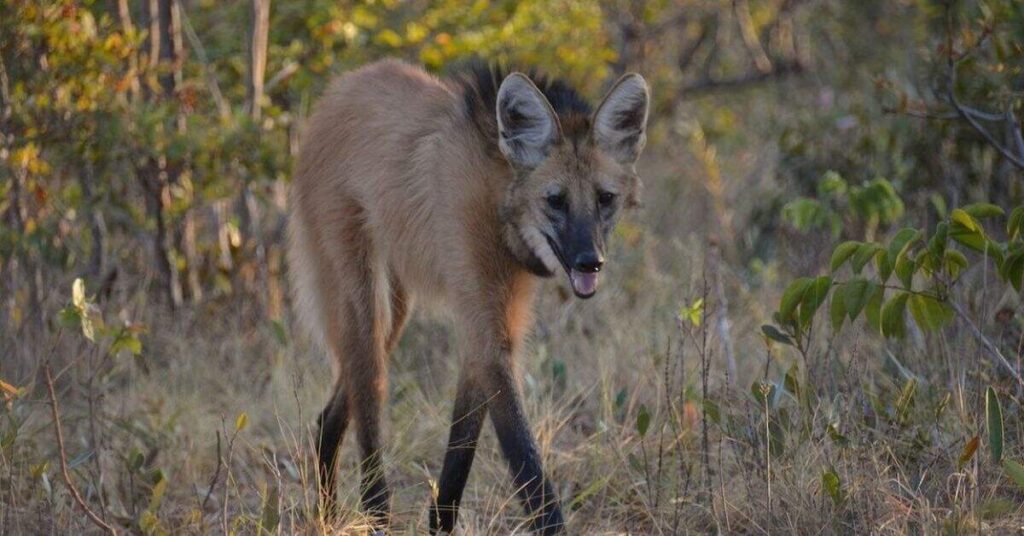
The maned wolf is a unique animal found in Brazil. It lives mostly in the grasslands and open forests. This wolf has long legs and reddish-brown fur. Its long legs help it move easily through tall grass. Maned wolves are mostly active at night. They are shy and usually avoid humans.
Maned wolves eat fruits, small mammals, and insects. They help spread seeds in their habitat. This supports plant growth and forest health. Habitat loss and roads are threats to their survival. Protecting grasslands is important for maned wolves. Healthy habitats keep these animals and other wildlife safe.
8. Hyacinth Macaw
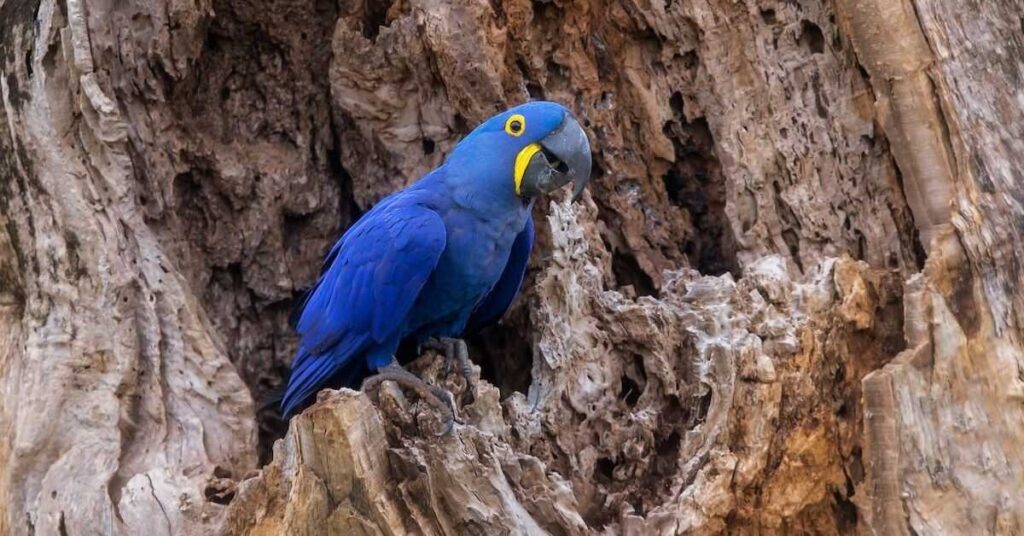
Hyacinth macaws are the world’s largest parrots. It lives in Brazil’s forests and wetlands. This bird has bright blue feathers and a strong beak. Its large beak helps it crack hard nuts and seeds. Hyacinth macaws are very social.
These macaws eat nuts, fruits, and seeds. They help spread seeds and support forest growth. Habitat loss and illegal pet trade threaten their survival. Protecting forests and nesting areas is very important. When people conserve their habitat, hyacinth macaws can thrive safely.
Read about it more: https://www.wildlifenomads.com/blog/animals-of-brazil/
9. Giant Anteater
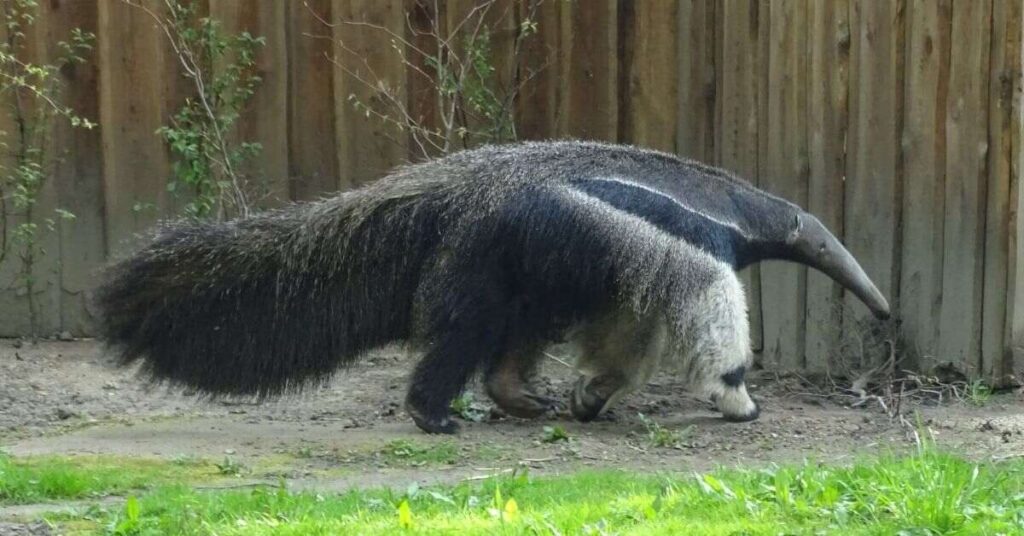
The giant anteater is a unique mammal found in Brazil. It lives in grasslands, forests, and wetlands. There is a long snout on this animal, as well as a bushy tail. Its long tongue helps it eat ants and termites. Giant anteaters move slowly and quietly.The majority of their time is spent searching for food.
Giant anteaters play an important role in controlling insect populations. They help keep forests and grasslands healthy. Predators like jaguars may hunt them, but they often stay safe in tall grass. Habitat loss and fires threaten their survival. Protecting natural areas ensures giant anteaters can live safely.
10. Poison Dart Frogs
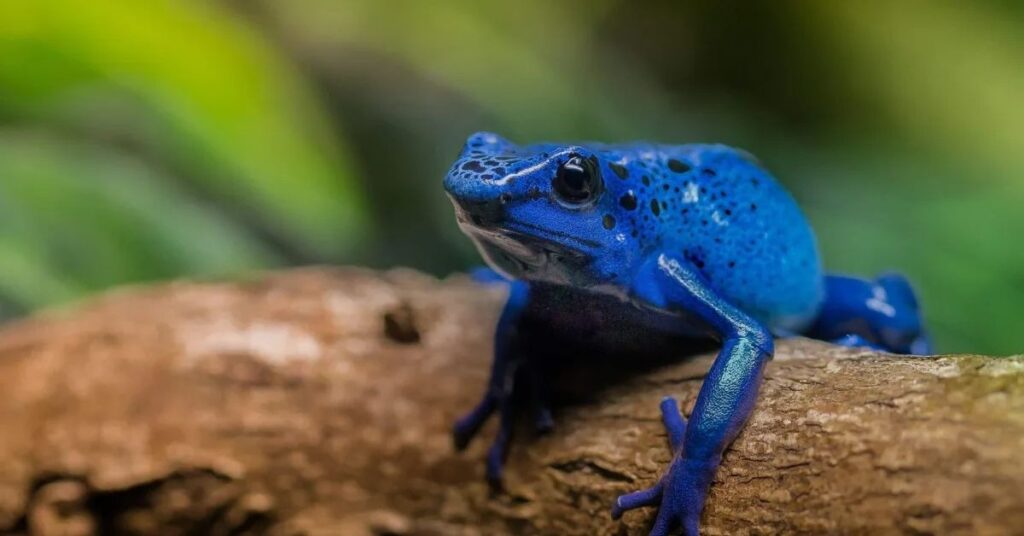
Poison dart frogs are small, colorful frogs found in Brazil’s rainforests. Their bright colors can be red, blue, yellow, or green. These colors warn predators that they are poisonous. Poison dart frogs live near water and humid areas. They are active during the day and move quickly through leaves and plants.
These frogs eat small insects like ants and termites. Their diet helps produce the toxins in their skin. Poison dart frogs play an important role in the ecosystem by controlling insect populations. Habitat loss and pollution threaten their survival. Protecting rainforests keeps poison dart frogs and many other animals safe.
11. Toco Toucan
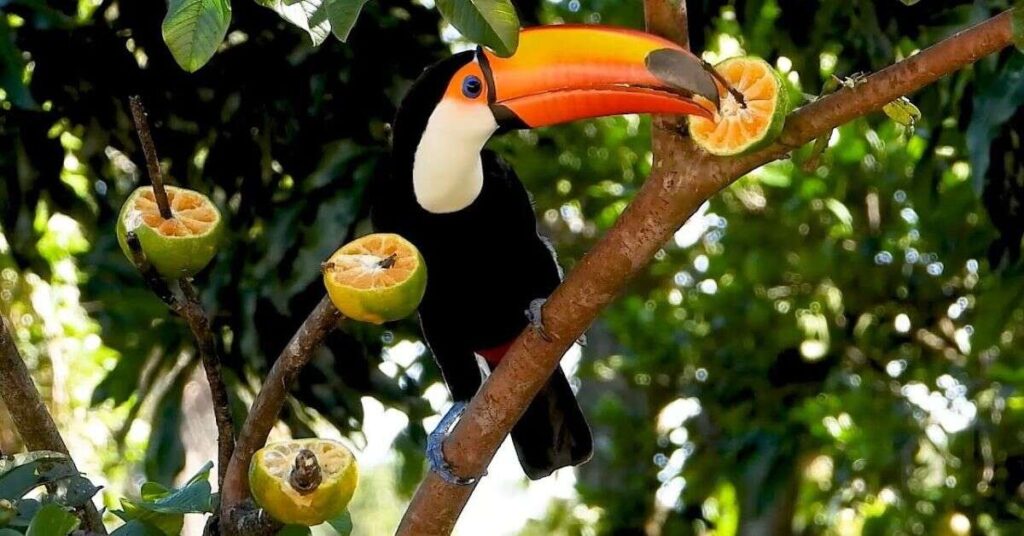
The toco toucan is a famous bird in Brazil. It lives in forests, savannas, and open woodlands. This bird has a large, colorful beak. Its beak helps it reach fruits on branches. Toucans are active during the day. They often move in small groups or pairs.
Toco toucans eat fruits, insects, and small animals. They help spread seeds in the forest. Their bright beak also warns predators and attracts mates. Deforestation and habitat loss threaten their survival. Protecting forests ensures toco toucans and other wildlife stay safe.
12. Brazilian Three-Banded Armadillo
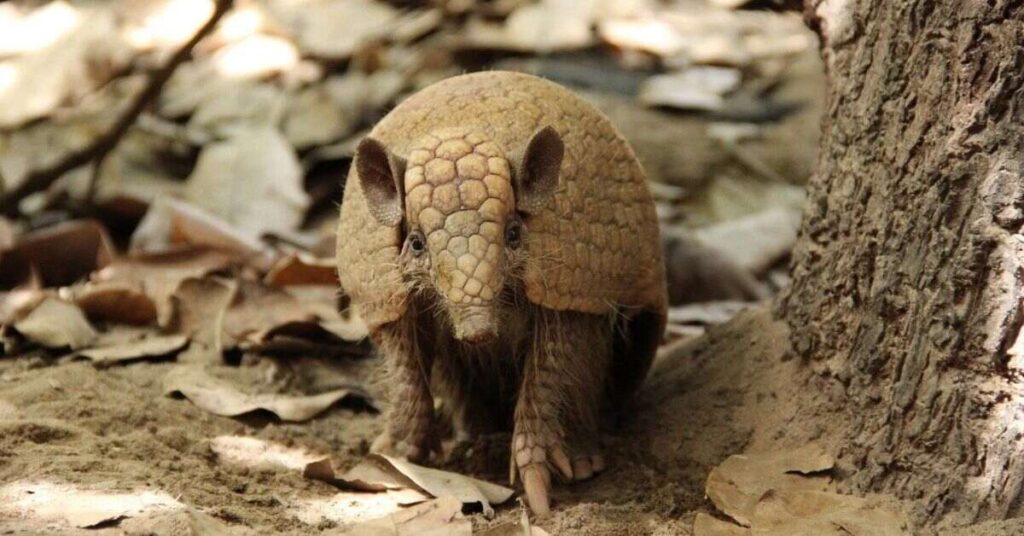
The Brazilian three-banded armadillo is a small mammal found in Brazil. It lives in dry grasslands and forests. This armadillo has a hard shell that protects it from predators. When it feels threatened, it can roll into a tight ball. These animals are mostly active at night. They move slowly and quietly while searching for food.
Brazilian three-banded armadillos eat insects, small animals, and plants. They help control insect populations and keep the soil healthy. Habitat loss and hunting are major threats to their survival. Protecting grasslands and forests helps these armadillos stay safe. Healthy habitats also benefit many other wildlife species.
13. Amazonian Manatee
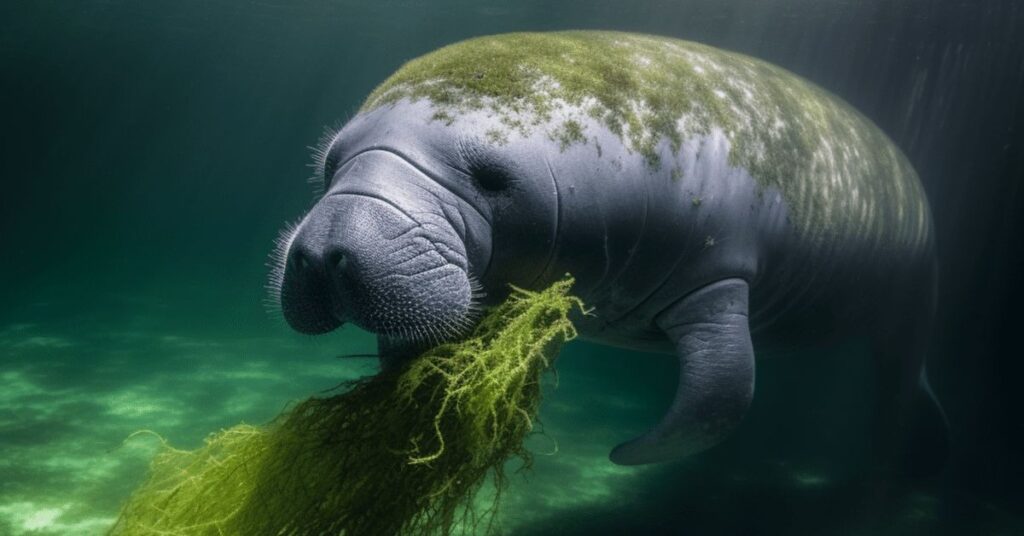
The Amazonian manatee is a large aquatic mammal found in Brazil’s rivers and wetlands. It has a round body, paddle-like flippers, and a flat tail. These gentle animals move slowly through the water. They breathe at the surface and feed on aquatic plants. Amazonian manatees are calm and peaceful.
These manatees play an important role in keeping rivers healthy. By eating plants, they prevent overgrowth in waterways. Pollution, hunting, and habitat loss threaten their survival. Protecting rivers and wetlands is essential for Amazonian manatees. Healthy rivers support many other brazil wildlife animals too.
14. Green Anaconda
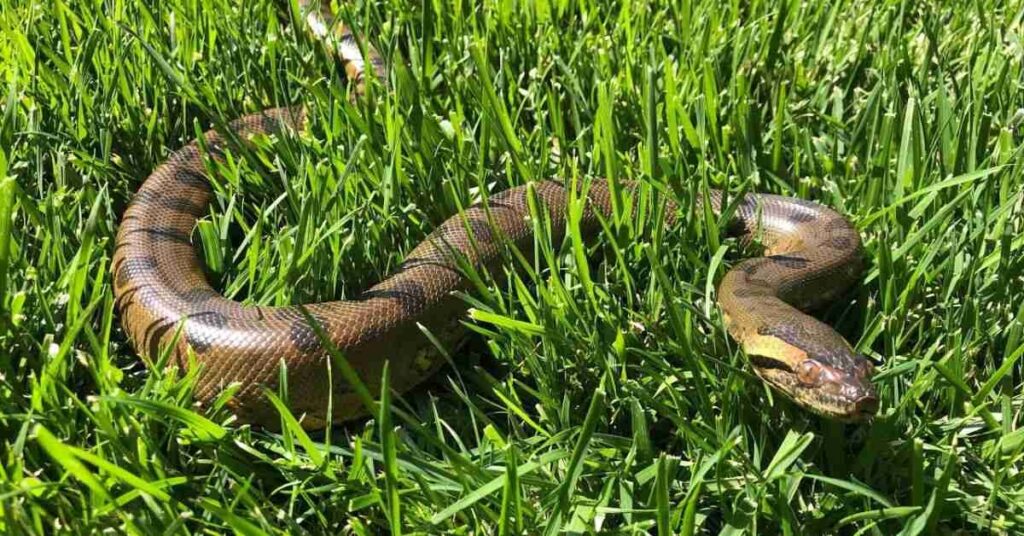
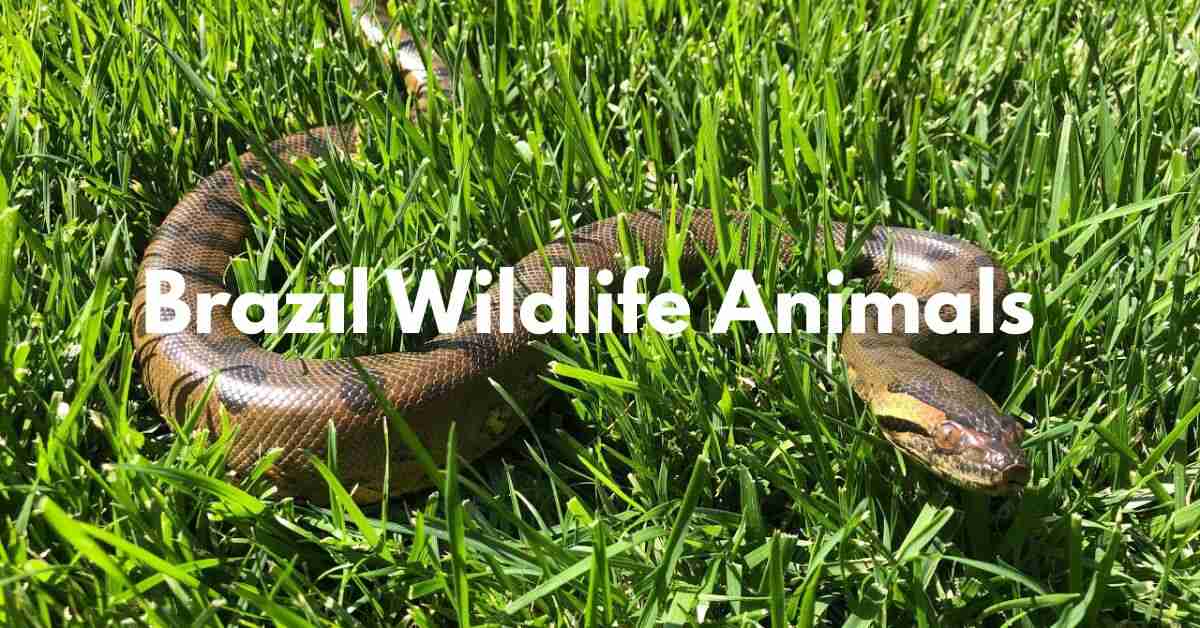
One of the largest snakes in the world is the green anaconda. It lives in rivers, swamps, and wetlands of Brazil. This snake has a thick, powerful body and dark green scales. Anacondas spend much of their time in water and are excellent swimmers. They move quietly and wait to catch prey.
Green anacondas eat fish, birds, and mammals. They use their strong bodies to wrap around and hold their prey. These snakes play an important role in controlling animal populations. Habitat destruction and hunting threaten their survival. Protecting rivers and wetlands helps green anacondas and many other animals.
15. Brazilian Tapir
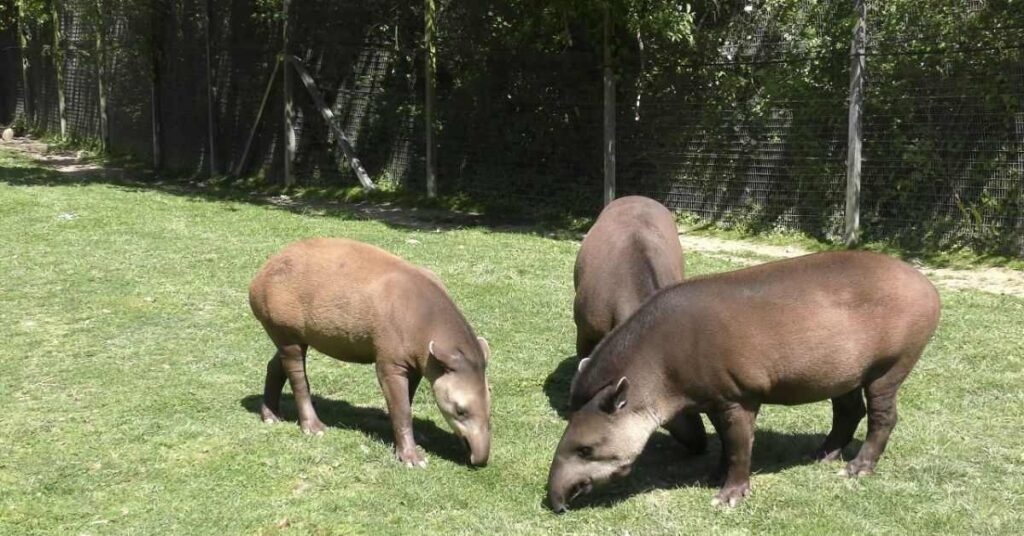
The Brazilian tapir is a large mammal found in forests and wetlands of Brazil. It has a short trunk-like nose and a sturdy body. Tapirs are mostly active at night and feed on leaves, fruits, and plants. They are excellent swimmers and often enter rivers to cool down or escape predators.
Tapirs play an important role in spreading seeds across forests. This helps plants grow and maintains healthy ecosystems. Habitat loss and hunting threaten their survival. Protecting forests and wetlands ensures Brazilian tapirs can live safely. Healthy habitats also support many other wildlife spe
Brazil Wildlife Animals and Their Natural Habitats
Brazil wildlife animals live in some of the most diverse habitats in the world. It supports millions of plant and animal species. Dense trees, rivers, and humid air create the perfect environment for wildlife.
The Pantanal wetlands form another major habitat. This area floods seasonally and attracts large numbers of animals. Many people consider it the best place to spot wildlife in Brazil.
The Atlantic Forest stretches along Brazil’s coast. It once covered a vast area but now exists in smaller patches. Despite this, it still hosts rare brazil wildlife animals found nowhere else.
Brazil also includes grasslands known as the Cerrado. This region supports unique mammals, birds, and reptiles adapted to open landscapes. Coastal areas add marine life, seabirds, and nesting turtles.
Each habitat supports different wildlife. Together, they make Brazil one of the most biologically rich countries on Earth.
Iconic Mammals Among Brazil Wildlife Animals
Brazil wildlife animals include some of the most famous mammals on the planet. The jaguar stands at the top of the food chain. This powerful cat lives in forests and wetlands. Jaguars help control prey populations and keep ecosystems balanced.
The giant anteater is another well-known species. It feeds mainly on ants and termites. Its long snout and bushy tail make it easy to recognize. Giant anteaters play a role in controlling insect populations.
Sloths move slowly through forest canopies. They survive by conserving energy and eating leaves. Their slow movement helps them avoid predators.
Capybaras are the world’s largest rodents. They live near water and move in social groups. These animals provide food for predators and help shape wetland ecosystems.
River dolphins swim in freshwater rivers. Their pink color and playful behavior fascinate visitors. These mammals depend on clean rivers to survive.
Colorful Birds That Define Brazil Wildlife Animals
Birdlife adds color and sound to brazil wildlife animals. Brazil hosts more bird species than almost any other country. Tropical forests echo with bird calls throughout the day.
Macaws stand out with bright feathers and loud voices. They travel in pairs or small groups. These birds help spread seeds across forests.
Toucans feature large, colorful beaks. They eat fruit and play a role in seed dispersal. Their presence supports forest growth.
Harpy eagles rank among the most powerful birds of prey. They hunt monkeys and sloths in forest canopies. These birds need large forest areas to survive.
Hummingbirds add delicate beauty. Their rapid wing movement allows them to hover while feeding on nectar. They help pollinate plants and flowers.
Birds form a vital part of brazil wildlife animals. Their activities support forests, plants, and other wildlife.
Reptiles and Amphibians in Brazil Wildlife Animals
Brazil wildlife animals include a wide range of reptiles and amphibians. Warm climates support snakes, lizards, frogs, and turtles.
Anacondas are among the largest snakes in the world. They live near rivers and wetlands. These snakes control populations of fish and mammals.
Caimans resemble small crocodiles. They live in rivers and flooded areas. Caimans help maintain healthy fish populations.
Poison dart frogs display bright colors. Their skin contains toxins that protect them from predators. These frogs signal danger through their colors.
Tortoises and turtles appear across Brazil’s forests and coastlines. Sea turtles nest on beaches, while freshwater turtles live in rivers.
Amphibians act as environmental indicators. Healthy frog populations often signal clean water and stable ecosystems.
Aquatic Life Within Brazil Wildlife Animals
Water supports many brazil wildlife animals. Rivers, wetlands, and coastal waters host diverse aquatic species.
The Amazon River contains thousands of fish species. Piranhas attract attention, but many fish are harmless and vital to local communities.
Manatees live in slow-moving rivers and coastal waters. These gentle animals feed on plants and help keep waterways clear.
Freshwater stingrays glide along river bottoms. They use camouflage to avoid predators.
Marine life along Brazil’s coast includes dolphins, whales, and reef fish. Seasonal whale migrations attract visitors and researchers.
Aquatic animals connect land and water ecosystems. Protecting rivers and oceans helps preserve brazil wildlife animals.
Table of Notable Brazil Wildlife Animals
| Animal Name | Habitat | Key Feature |
| Jaguar | Rainforest, Wetlands | Strong bite and stealth |
| Macaw | Tropical Forests | Bright feathers and loud calls |
| Giant Anteater | Grasslands, Forests | Long snout and tongue |
| Capybara | Wetlands, Rivers | Largest rodent |
| Pink River Dolphin | Freshwater Rivers | Unique pink color |
Why Conservation Matters for Brazil Wildlife Animals
Brazil wildlife animals face growing threats. Deforestation removes habitats. Pollution affects rivers and forests. Illegal hunting places pressure on species.
Many animals depend on large, connected habitats. When forests shrink, wildlife struggles to find food and shelter. Climate change also alters rainfall patterns.
Conservation efforts focus on protected areas. National parks and reserves help preserve wildlife habitats. Community involvement strengthens these efforts.
Sustainable tourism supports conservation. Responsible wildlife viewing creates income without harming animals. Visitors learn to respect nature.
Protecting brazil wildlife animals benefits the entire planet. Healthy ecosystems absorb carbon, support biodiversity, and provide resources for future generations.
How Visitors Can Respect Brazil Wildlife Animals
People visiting Brazil can help protect wildlife. Responsible behavior makes a difference.
Travelers should observe animals from a safe distance. Feeding wildlife can harm their health. Supporting ethical tour operators encourages conservation.
Choosing eco-friendly accommodations reduces environmental impact. Learning about local wildlife builds respect and awareness.
Sharing knowledge also helps. When people understand wildlife value, they support protection efforts.
Every small action contributes to the survival of brazil wildlife animals.
Conclusion
Brazil wildlife animals represent one of Earth’s greatest natural treasures. The country’s forests, rivers, and wetlands support countless species. Each animal plays a role in maintaining balance.
From powerful jaguars to colorful birds, Brazil’s wildlife inspires awe. Protecting these animals ensures healthy ecosystems for the future.
By learning about brazil wildlife animals, people develop appreciation and responsibility. Conservation begins with awareness. Brazil’s wildlife deserves care, respect, and protection for generations to come.
Frequently Asked Questions
What makes brazil wildlife animals unique?
Brazil wildlife animals live in diverse habitats. Many species exist nowhere else in the world.
Where can people see brazil wildlife animals?
National parks, rainforests, wetlands, and rivers offer wildlife viewing opportunities.
Are brazil wildlife animals endangered?
Some species face threats from habitat loss and pollution. Conservation efforts aim to protect them.
Why is the Amazon important for brazil wildlife animals?
The Amazon provides food, shelter, and breeding grounds for countless species.
How can people help protect brazil wildlife animals?
Supporting conservation, responsible tourism, and environmental awareness helps protect wildlife.
