

Introduction
Colombia is one of the most biologically rich countries in the world. Its land is full of life, color, and movement. From deep rainforests to high mountains, the fauna of Colombia surprises visitors and scientists alike. This country is home to thousands of animal species. Many of them cannot be found anywhere else on Earth.
The fauna of Colombia thrives because the country has many climates and habitats. Warm beaches meet cold mountain peaks. Thick jungles stretch beside wide rivers and open plains. Each area supports different wildlife. This makes Colombia a global hotspot for biodiversity.
People who love nature often travel here to see rare birds, mammals, reptiles, and insects. Conservationists also focus on this land because protecting the fauna of Colombia helps protect the planet. In this guide, you will explore Colombia’s wildlife, learn where animals live, and understand why conservation matters.
Mammals That Define the Fauna of Colombia
Mammals play a major role in the fauna of Colombia. The country is home to more than five hundred mammal species. These animals live in forests, mountains, grasslands, and rivers. Some are large and powerful. Others are small and shy.
The jaguar is one of the most famous mammals in the fauna of Colombia. It moves quietly through jungles and wetlands. Jaguars help control animal populations and keep ecosystems balanced. Sloths are another well known species. They move slowly through trees and spend most of their lives hanging from branches.
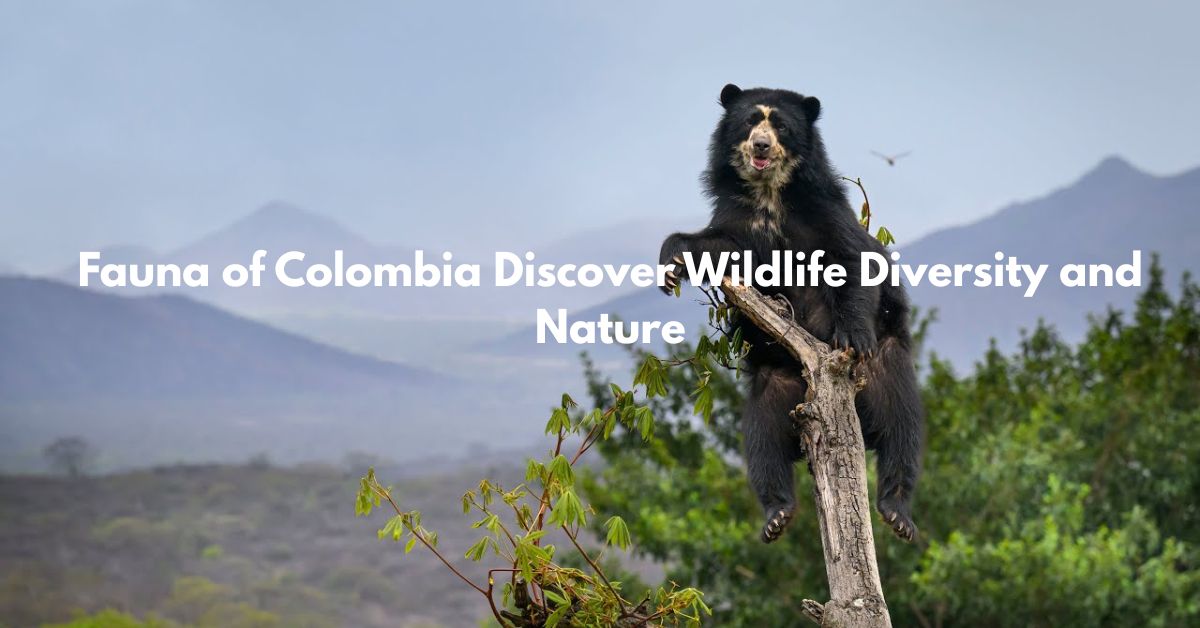
Colombia also shelters spectacled bears. These bears live in mountain forests and eat plants, fruits, and insects. Pink river dolphins swim through Amazon rivers and amaze locals and visitors. Monkeys are everywhere in the trees. Howler monkeys fill the forest with loud calls each morning.
These mammals depend on healthy habitats. When forests disappear, many species struggle. Protecting mammal habitats helps keep the fauna of Colombia strong and diverse.
1. Andean Condor
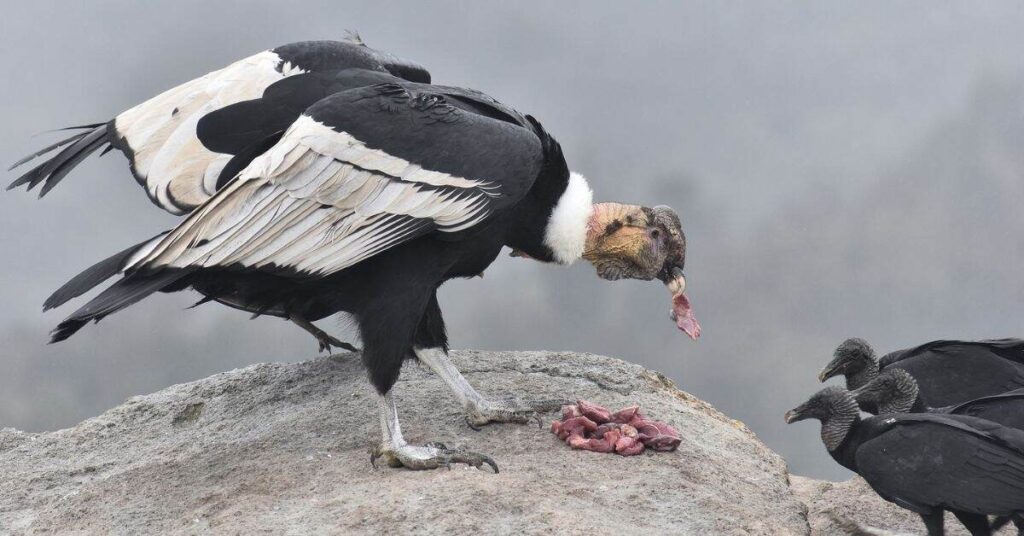
Andean condors are among the largest flying birds in the world. It lives in the high mountains of South America. In Colombia, it is a powerful symbol of nature and freedom. This bird has wide wings and dark feathers.The bird can glide for hours without flapping its wings. It uses air currents to move across long distances.
The Andean condor plays an important role in nature. It feeds on dead animals and helps keep the environment clean. This bird prefers open areas and mountain cliffs. Habitat loss has reduced its numbers in some regions. Conservation programs now protect the Andean condor in Colombia. These efforts help keep this majestic bird alive for future generations.
2. Jaguar
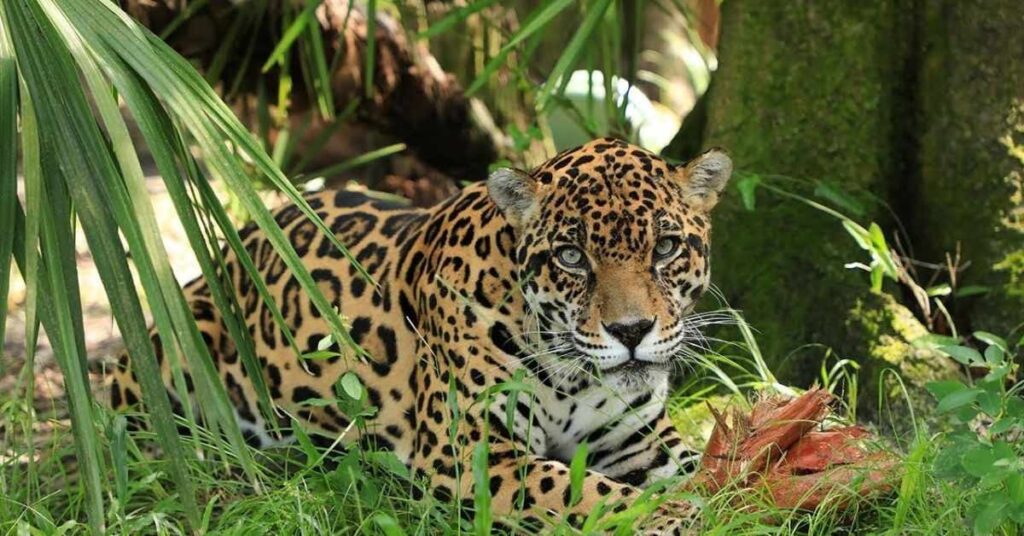
In the Americas, the jaguar is the largest wild cat. It lives in forests, wetlands, and river areas of Colombia. This animal has a strong body and beautiful spotted fur. Jaguars are quiet hunters. They move silently through dense and thick plants. Many people rarely see them in the wild.
Jaguars are important for a healthy ecosystem. They control the population of other animals. This helps keep nature balanced. The jaguar needs large areas to survive. Deforestation and hunting threaten its future. Protecting forests helps protect the jaguar and other wildlife in Colombia.
3. Spectacled Bear
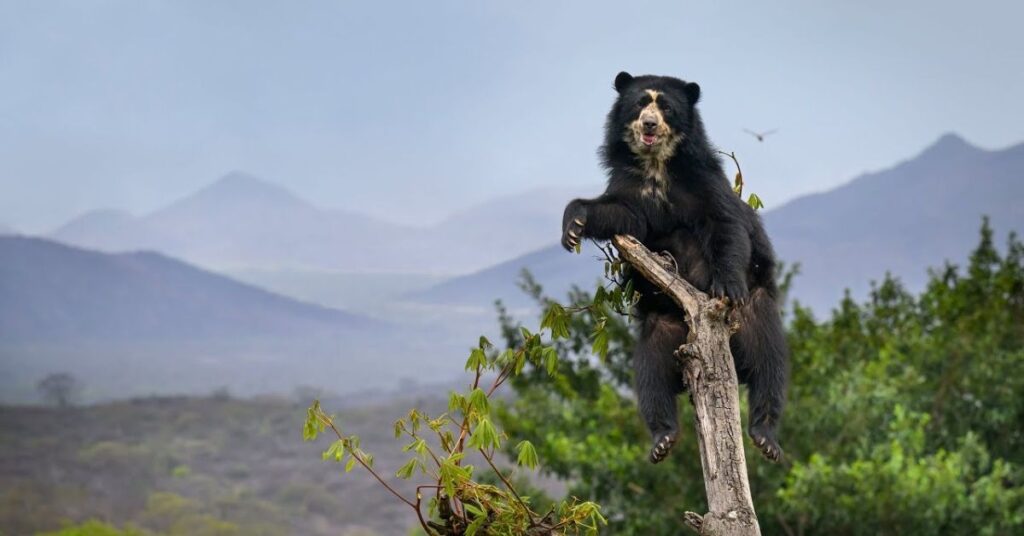
The spectacled bear is the only bear species found in South America. In Colombia, it lives in cloud forests and mountain regions. This bear gets its name from the light marks around its eyes. It is usually shy and avoids people. Most of its time is spent searching for food in forests.
The spectacled bear mainly eats plants, fruits, and insects. It helps spread seeds through the forest. This supports healthy plant growth. Habitat loss is a major threat to this bear. Conservation efforts focus on protecting mountain forests. These actions help the spectacled bear survive in the wild.
4. Pink River Dolphin
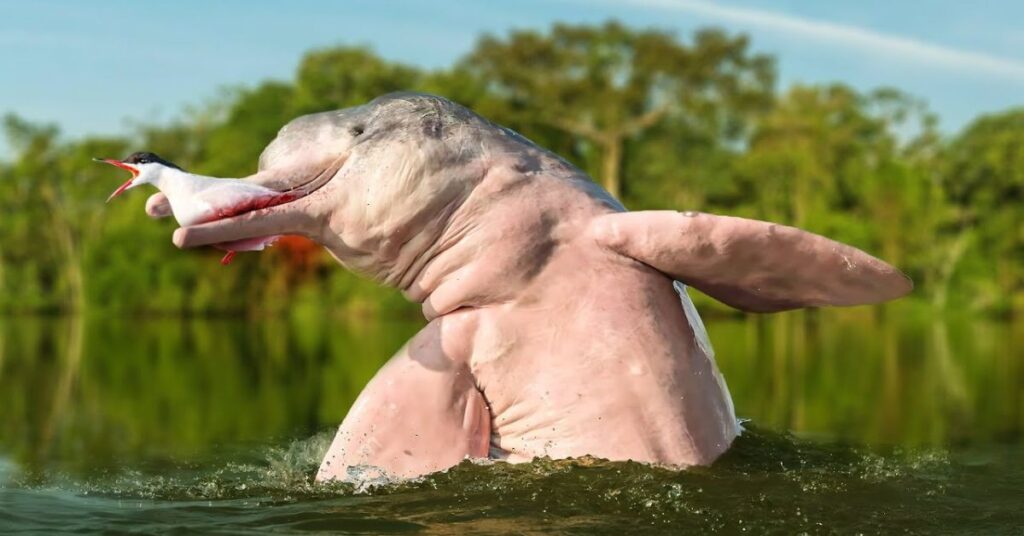
The pink river dolphin lives in the rivers of the Amazon and Orinoco regions of Colombia. It is easy to recognize because of its soft pink color. This dolphin has a long snout and a flexible neck. It swims slowly through rivers and flooded forests. Local people often see it during the rainy season.
The pink river dolphin plays an important role in river ecosystems. It feeds on fish and helps keep fish populations balanced. Pollution and river damage threaten its habitat. Fishing nets can also harm these dolphins. Protecting clean rivers helps keep the pink river dolphin safe for the future.
5. Cotton-top Tamarin
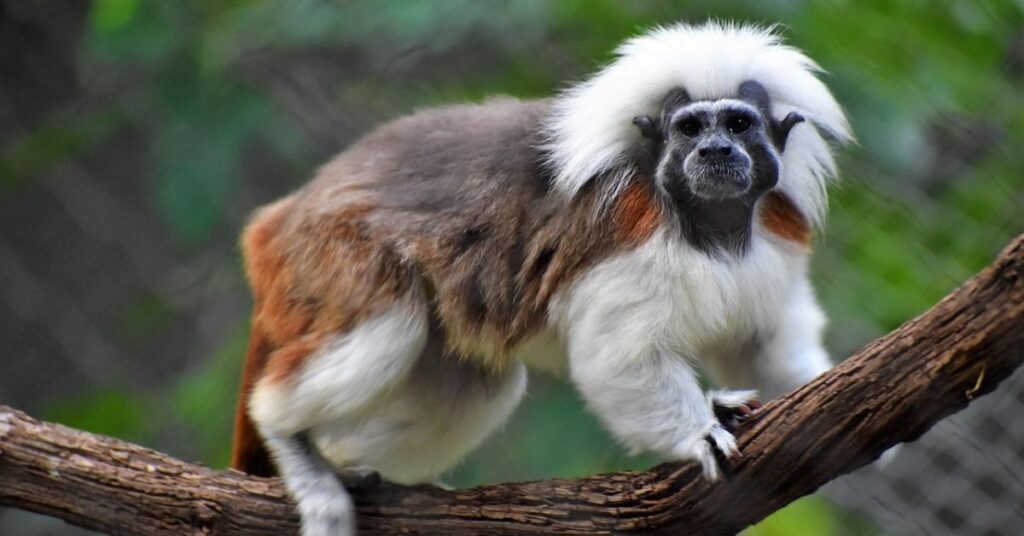
Colombia is the only country where the cotton-top tamarin can be found. It is easy to recognize by the white hair on its head. This monkey lives in tropical forests and spends most of its time in trees. It moves quickly and uses its long tail for balance. Cotton-top tamarins live in small family groups.
The cotton-top tamarin eats fruits, insects, and tree sap. It helps spread seeds in the forest. Deforestation has greatly reduced its population. It is one of the most endangered animals in Colombia. Protecting forests and wildlife reserves is key to saving the cotton-top tamarin.
Read about it more : https://www.wildlifenomads.com/blog/animals-in-colombia-south-america/
6. Harpy Eagle
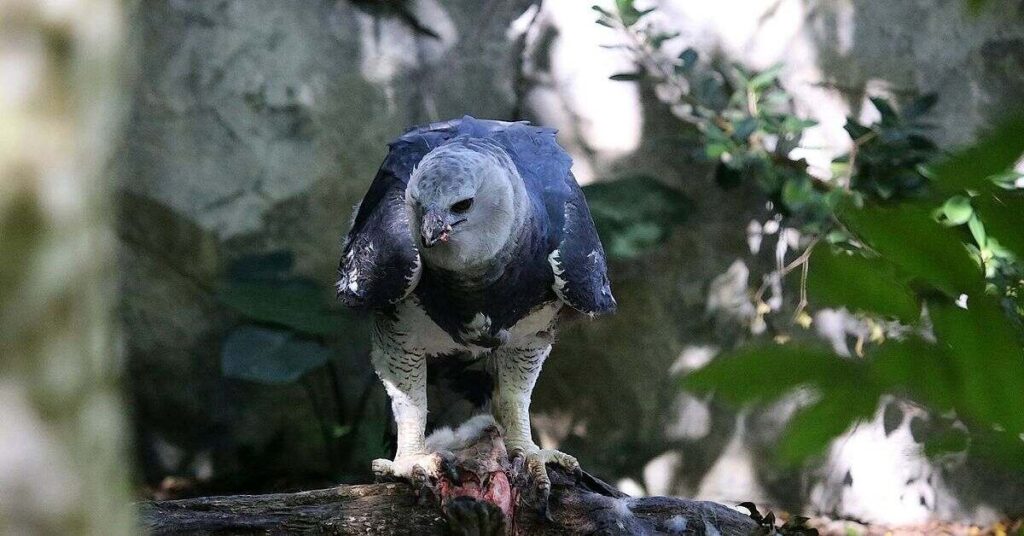
One of the world’s strongest eagles is the harpy eagle. It lives in the rainforests of Colombia. This bird has powerful legs and sharp claws. It hunts monkeys and sloths in the trees. The harpy eagle builds large nests high above the ground.
The harpy eagle needs large forest areas to survive. Deforestation is the biggest threat to this bird. When forests disappear, nesting sites are lost. Conservation programs protect forest habitats. These efforts help keep the harpy eagle flying over Colombia’s forests.
7. Capybara
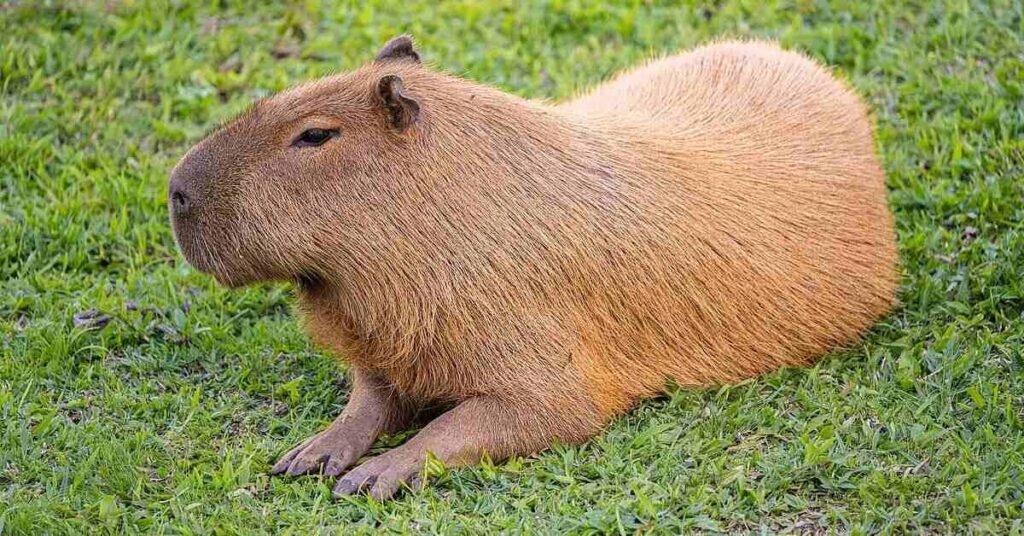
Capybaras are the world’s largest rodents. It lives near rivers, lakes, and wetlands in Colombia. Capybaras have brown fur and webbed feet. They are calm and social animals. They usually live in groups and spend time in water to stay safe from predators.
Capybaras eat grasses, plants, and aquatic vegetation. They help maintain healthy wetland ecosystems. Many animals, like jaguars and anacondas, see them as prey. Protecting wetlands is important for capybaras and other wildlife. Healthy rivers and marshes keep their populations strong.
8. Ocelot
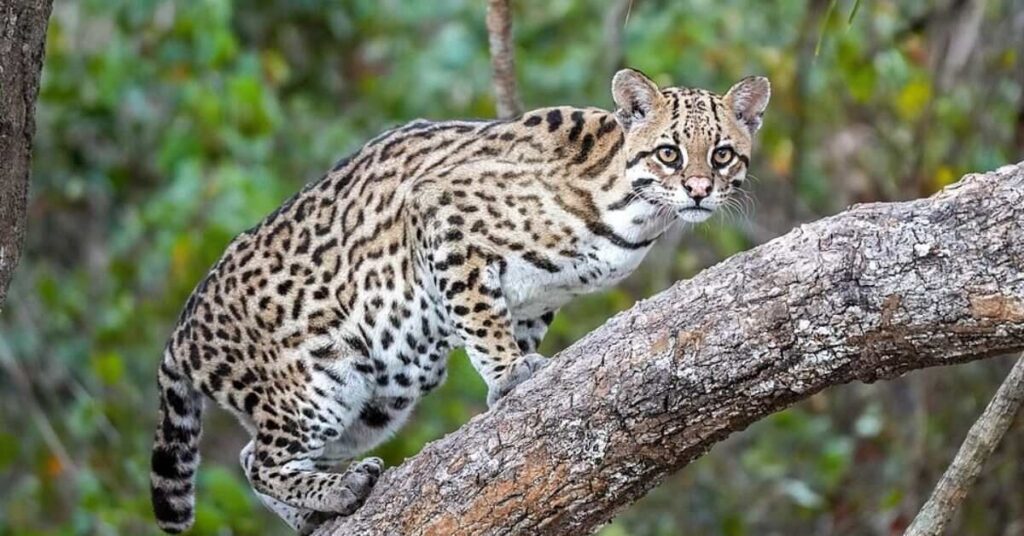
The ocelot is a small wild cat found in Colombia’s forests and grasslands. It has beautiful golden fur with dark spots and stripes. Ocelots are mostly active at night. They are quiet hunters and feed on birds, rodents, and small reptiles.
Ocelots help keep animal populations balanced in the wild. They need dense forests to hide and hunt. Deforestation and habitat loss are major threats to them. Protecting forests ensures ocelots can survive and thrive in Colombia’s diverse ecosystems.
9. Bush Dog
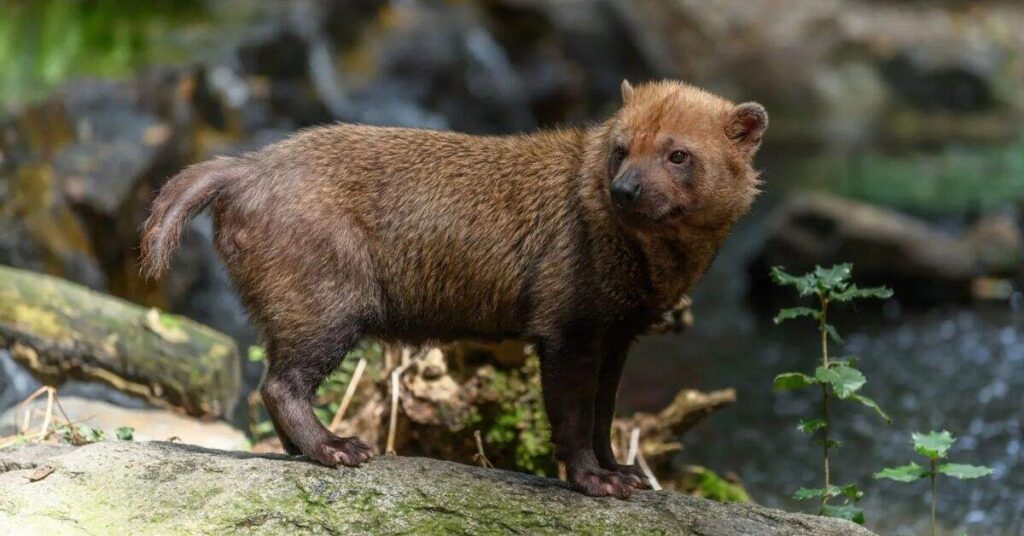
The bush dog is a small, rare wild canid found in Colombia’s forests and wetlands. It has short legs, a compact body, and dark brown fur. Bush dogs live in small family groups. They are shy and usually avoid humans, moving quietly through dense vegetation.
Bush dogs hunt in packs and eat small mammals, birds, and insects. They help control populations of smaller animals. Habitat loss and deforestation threaten their survival. Protecting forests and wetlands is key to keeping bush dogs safe in Colombia.
10. Brown-throated Sloth
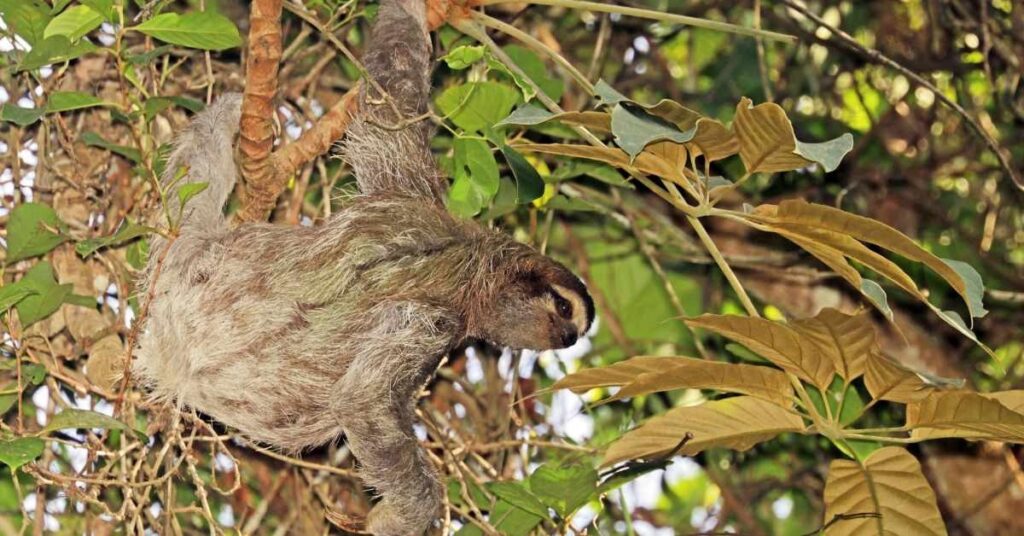
The brown-throated sloth is a slow-moving mammal found in Colombia’s forests. It has long, curved claws that help it hang from tree branches. Its fur is brownish and blends with the trees. Sloths spend most of their lives in trees and move very slowly.
This sloth mainly eats leaves and shoots. It plays a role in forest health by helping spread seeds. Predators include jaguars and large birds of prey. Protecting forests is important for the brown-throated sloth’s survival. Healthy forests keep sloths and many other species safe.
11. Tamandua
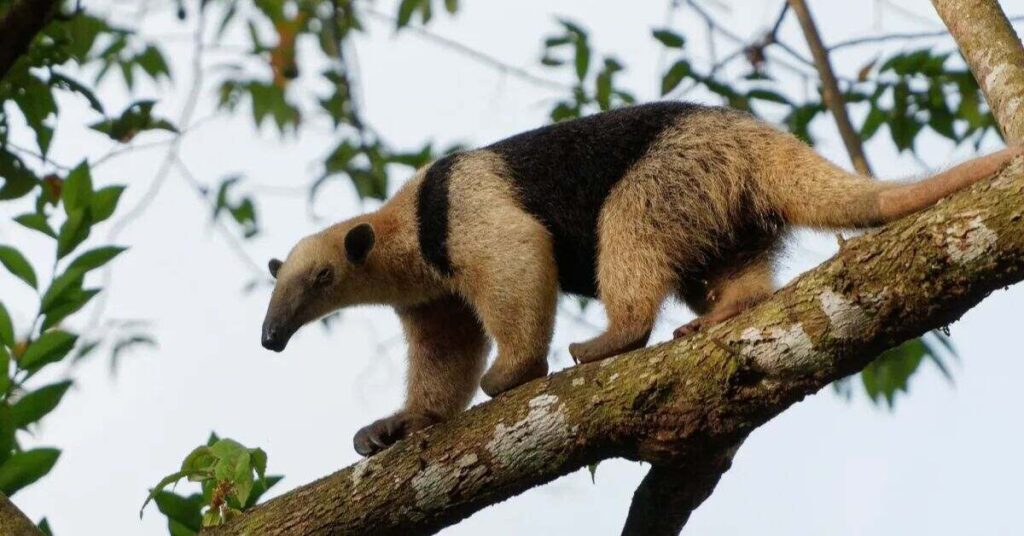
The tamandua is a small anteater found in Colombia’s forests and woodlands. It has a long snout and sticky tongue to eat ants and termites. Tamanduas are excellent climbers and spend most of their time in trees. They are usually quiet and solitary animals.
Tamanduas help control insect populations in the forest. Their diet of ants and termites prevents overpopulation of these insects. Habitat loss and deforestation threaten their survival. Protecting forests ensures that tamanduas and other wildlife continue to thrive in Colombia.
Birdlife and the Colorful Fauna of Colombia
Birds are one of the strongest symbols of the fauna of Colombia. The country has more bird species than any other nation. Over nineteen hundred species live here. Some birds stay all year. Others migrate during different seasons.
Hummingbirds shine with bright colors and fast wings. Colombia hosts more hummingbird species than anywhere else. Toucans with large beaks move through forest canopies. Macaws fly in pairs and fill the sky with color and sound.
The Andean condor is one of the most important birds in the fauna of Colombia. It soars high above mountains and represents strength and freedom. Many wetlands support herons, ibis, and flamingos. Coastal areas attract seabirds that hunt fish near the shore.
Birdwatchers from around the world visit Colombia. They help local communities through eco tourism. This support encourages people to protect birds and their habitats. Bird conservation plays a key role in preserving the fauna of Colombia.
Reptiles and Amphibians in the Fauna of Colombia
Reptiles and amphibians add even more diversity to the fauna of Colombia. Warm climates and rainforests provide perfect conditions for these cold blooded animals. Colombia is especially rich in frogs, snakes, and lizards.
Poison dart frogs are small but colorful. Many live only in specific regions of Colombia. Their bright colors warn predators to stay away. Anacondas are among the largest snakes in the world. They live in wetlands and rivers and hunt quietly.
Crocodiles and caimans rest along riverbanks. They play an important role in keeping water ecosystems balanced. Lizards and geckos live in forests, deserts, and even cities. Turtles travel between rivers and beaches during nesting seasons.
Amphibians are very sensitive to environmental change. When water or air quality drops, they disappear quickly. Protecting clean water sources helps protect this vital part of the fauna of Colombia.
Insects and Small Creatures Supporting the Fauna of Colombia
Insects may be small, but they are essential to the fauna of Colombia. Millions of insect species live across the country. Many have not yet been fully studied. They pollinate plants, recycle nutrients, and support food chains.
Butterflies bring color to forests and fields. Colombia has one of the highest butterfly counts in the world. Beetles, ants, and bees work constantly on the forest floor and in tree canopies. Bees are especially important because they pollinate crops and wild plants.
Spiders and scorpions help control insect populations. Fireflies light up forests at night. Termites break down dead wood and return nutrients to the soil. Without insects, many ecosystems would collapse.
Small mammals, birds, and reptiles rely on insects for food. This makes insects a foundation of the fauna of Colombia. Protecting habitats also protects these tiny but powerful creatures.
Habitats That Shape the Fauna of Colombia
Colombia’s fauna exists because of its diverse habitats. Each region offers different conditions that support unique wildlife. The Amazon rainforest covers a large part of southern Colombia. It is dense, humid, and full of life.
The Andes mountains cut through the country and create cooler climates. Cloud forests grow along these slopes. Many animals here live nowhere else. The Caribbean coast supports marine life, birds, and reptiles adapted to sandy and salty conditions.
Grasslands known as the Llanos stretch across eastern Colombia. They support deer, capybaras, birds, and predators like jaguars. Wetlands provide breeding grounds for fish, frogs, and birds.
This variety of habitats explains why the fauna of Colombia is so rich. Protecting each habitat is key to protecting wildlife as a whole.
Iconic Animals of the Fauna of Colombia
Some animals have become symbols of the fauna of Colombia. These species represent the country’s natural identity and cultural pride. The jaguar stands for power and balance. It appears in stories and traditions.
The Andean condor is a national symbol. It connects people to the mountains and sky. The golden poison frog shows how small animals can be powerful and unique. Its presence reminds people of Colombia’s rare biodiversity.
Capybaras are the world’s largest rodents. They live near water and are calm and social. Pink river dolphins inspire myths and legends in Amazon communities.
These iconic animals help raise awareness. When people recognize and value them, they are more likely to support conservation of the fauna of Colombia.
Conservation Challenges Facing the Fauna of Colombia
The fauna of Colombia faces many challenges. Deforestation removes homes for wildlife. Illegal hunting threatens rare species. Pollution harms rivers and forests.
Climate change affects weather patterns. Some animals struggle to adapt to rising temperatures or changing rainfall. Roads and cities divide habitats and limit animal movement.
Despite these threats, Colombia has made progress. National parks protect large areas of land. Community projects teach sustainable practices. Wildlife rescue centers help injured animals return to the wild.
Protecting the fauna of Colombia requires teamwork. Governments, local people, and visitors all play a role. Small actions can make a big difference.
How People Can Help Protect the Fauna of Colombia
Everyone can help protect the fauna of Colombia. Supporting eco friendly tourism helps local communities value wildlife. Choosing products that do not harm forests reduces habitat loss.
Learning about animals builds respect for nature. Sharing knowledge encourages others to care. Supporting conservation groups provides resources for protection efforts.
Visitors should respect wildlife by keeping distance and avoiding feeding animals. Local communities benefit when conservation creates jobs and education.
Protecting wildlife protects water, air, and land. The future of the fauna of Colombia depends on responsible choices made today.
Table Showing Major Animal Groups in the Fauna of Colombia
| Animal Group | Examples | Main Habitat |
| Mammals | Jaguar Sloth Capybara | Forests Rivers Grasslands |
| Birds | Andean Condor Toucan Hummingbird | Mountains Forests Wetlands |
| Reptiles | Anaconda Caiman Turtle | Rivers Wetlands Coasts |
| Amphibians | Poison Dart Frog Tree Frog | Rainforests Streams |
| Insects | Butterfly Beetle Bee | All Regions |
Conclusion
The fauna of Colombia is one of the richest on Earth. Its animals reflect the beauty and complexity of nature. From powerful predators to tiny insects, each species plays a role.
Protecting this wildlife is not only about saving animals. It is about protecting ecosystems and human well being. When forests and rivers thrive, people benefit too.
By learning about the fauna of Colombia, supporting conservation, and respecting nature, we help ensure that this incredible biodiversity continues for future generations.
Frequently Asked Questions
What makes the fauna of Colombia unique?
The fauna of Colombia is unique because the country has many climates and habitats. This allows thousands of animal species to live and thrive.
How many animal species live in Colombia?
Colombia is home to tens of thousands of animal species. Many are found nowhere else in the world.
Why is Colombia famous for birds?
Colombia has more bird species than any other country. Its forests and wetlands support both resident and migrating birds.
Are there endangered animals in the fauna of Colombia?
Yes many species face threats from habitat loss and climate change. Conservation efforts aim to protect them.
How can tourists help protect the fauna of Colombia?
Tourists can choose responsible travel, respect wildlife, and support local conservation projects.
