
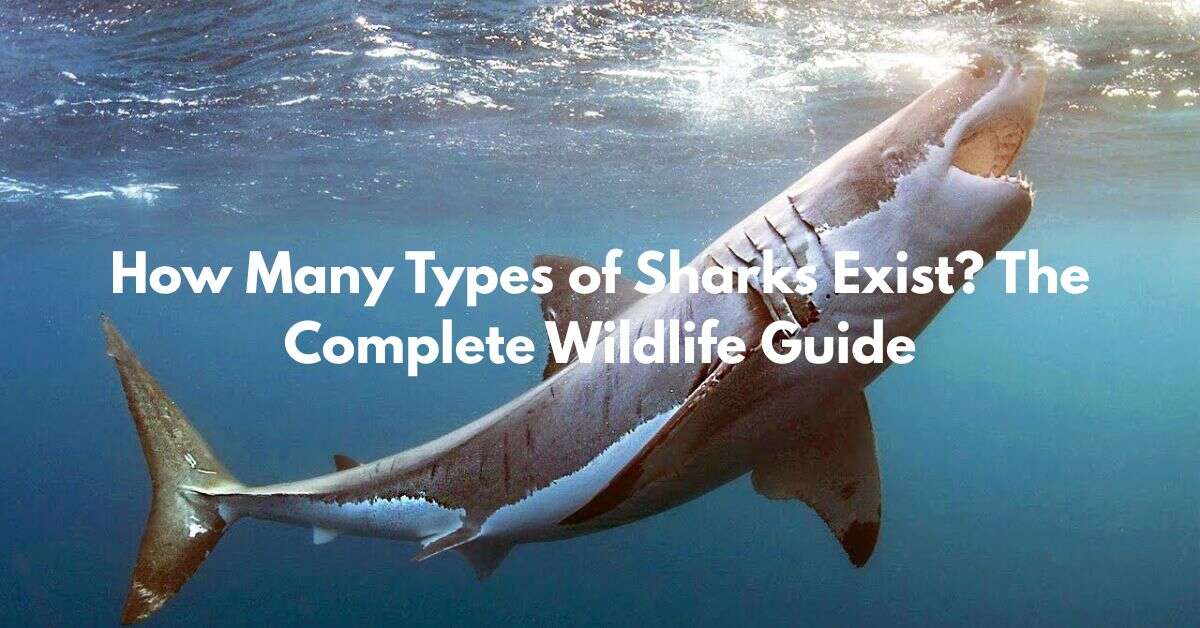
The ocean depths hide one of nature’s most fascinating mysteries. The great white shark probably comes to mind when you think of sharks. But did you know our oceans are home to hundreds of different shark species? Each one is uniquely adapted to survive in its environment.
Scientists have discovered something remarkable about these ancient predators. The diversity of shark species goes far beyond what most people imagine. From sharks small enough to fit in your hand to giants longer than a school bus, these creatures come in stunning variety.
Let’s dive deep into the world of sharks and uncover exactly how many types exist today.
The Total Number of Shark Species in Our Oceans
Currently, scientists have identified approximately 557 described shark species swimming in our world’s oceans. But that number keeps growing. There are also 23 undescribed species waiting for official scientific recognition.
This means we know of around 580 shark species in total, with new discoveries happening regularly.
The pace of discovery is truly amazing. Since the year 2000, researchers have added 107 new shark species to the official count. That’s an average of eight new species discovered every single year over the past two decades.
Some experts believe we may know of only 500 species for certain, while others cite numbers closer to 550. The variation comes from ongoing research and taxonomic updates. What remains constant is this: shark diversity is immense, and we’re still learning about these incredible animals.
Each new discovery teaches us something valuable about ocean ecosystems and evolution. Every shark species plays a unique role in maintaining the delicate balance of marine life.
Understanding Shark Classification and Orders
Sharks aren’t just randomly scattered throughout the oceans. Scientists organize them into eight distinct orders based on their physical characteristics, behavior, and evolutionary history.
Think of these orders as family groups. Each order shares common features that set them apart from others.
Ground sharks (Carcharhiniformes) represent the largest group. This order includes approximately 296 species, making it nearly half of all known sharks. You’ll find tiger sharks, hammerhead sharks, and bull sharks in this diverse family. Two dorsal fins, an anal fin, and moveable eyelids protect the eyes of these sharks.
Dogfish sharks (Squaliformes) form another massive group with around 126 species. Many of these sharks live in deep, cold waters. Some species even produce light through bioluminescence, creating an eerie glow in the darkness of the deep sea.
Carpet sharks (Orectolobiformes) include some truly remarkable species. The whale shark, our planet’s largest fish, belongs to this order. So do nurse sharks and wobbegongs. Many carpet sharks have distinctive patterns on their backs that resemble oriental rugs.
Mackerel sharks (Lamniformes) include about 15 species of some of the ocean’s most powerful predators. The great white shark and mako shark call this order home. These sharks can regulate their body temperature, staying warmer than the surrounding water.
Bullhead sharks (Heterodontiformes) are a small group of just 9 species. They get their name from their large, bull-like heads. These sharks have both sharp teeth and flat, crushing teeth to handle different types of prey.
Sawsharks (Pristiophoriformes) are easily recognized by their long, saw-like snouts. These unique sharks use their distinctive snouts to hunt prey on the ocean floor.
Angel sharks (Squatiniformes) have flattened bodies that make them look more like rays. These ambush predators lie in wait on the seafloor, ready to strike at passing prey.
Six-gilled and seven-gilled sharks (Hexanchiformes) are considered the most primitive living sharks. Unlike most sharks that have five gill slits, these ancient species have six or seven. They’re also among the largest deep-sea sharks.
Types of Sharks: Exploring the Diversity
1. Whale Shark
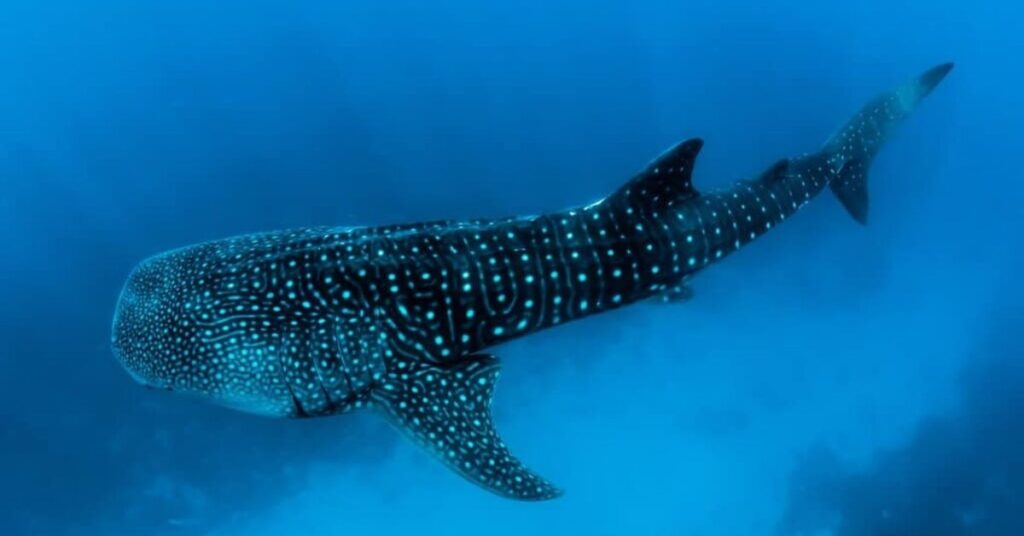
Among the ocean’s fishes, the whale shark is the largest. It can grow up to 40 feet long or even longer. Despite its huge size, it is very gentle. Whale sharks have wide mouths that can be over 4 feet across. Their bodies are covered in spots and stripes. Each whale shark has its own unique pattern, like a fingerprint. These giant fish are not dangerous to humans at all.
Whale sharks eat tiny creatures called plankton. They swim with their mouths open to filter food from the water. You can find them in warm oceans around the world. They like to swim near the surface where the water is warmer. Whale sharks often travel alone, but sometimes they gather in groups. Scientists still have much to learn about these amazing creatures. Many countries now protect whale sharks because their numbers are decreasing.
2. Great White Shark
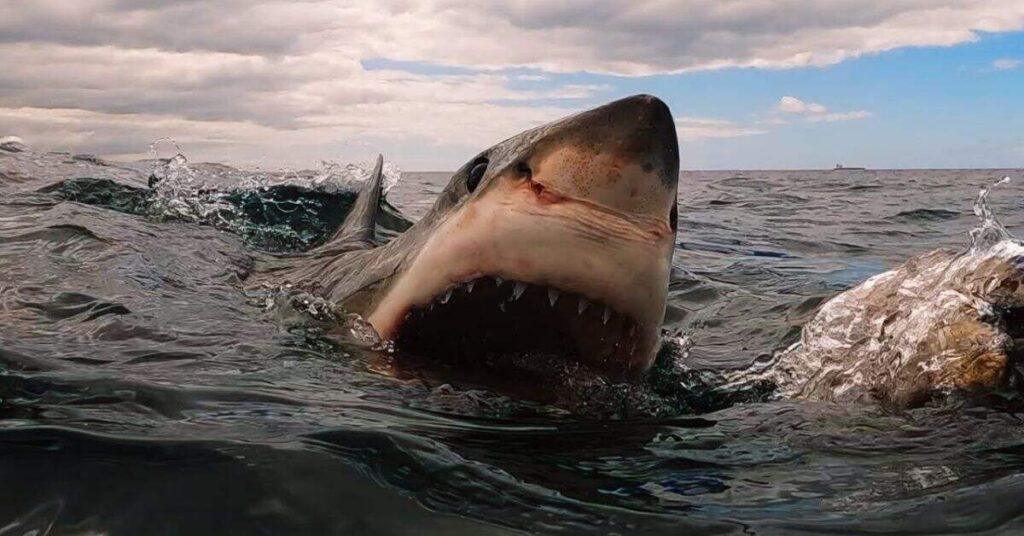
One of the most powerful predators in the ocean is the great white shark. It can grow up to 20 feet long and weigh over 5,000 pounds. These sharks have sharp, triangular teeth that can tear through flesh easily. Their bodies are gray on top and white underneath. This coloring helps them hunt by blending in with the water. The great white shark has an excellent sense of smell.They can detect a single drop of blood in the water from far away.
Great white sharks eat seals, sea lions, and large fish. They usually hunt near the coast in cooler waters. These sharks can swim very fast when chasing prey. They sometimes leap out of the water during an attack. Great white sharks are found in oceans all over the world.Human attacks are rare despite their fearsome reputation. Sharks mistake people for their usual prey when they attack.These magnificent creatures play an important role in keeping ocean ecosystems healthy.
3. Hammerhead Shark
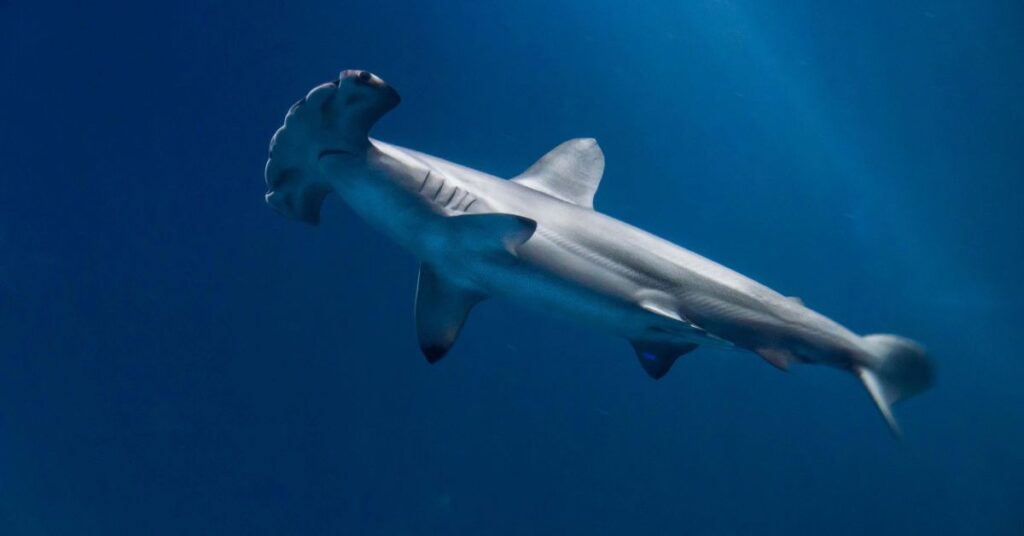
The hammerhead shark has a very unusual head shape. Its head looks like a flat hammer spread out on both sides. The shark’s eyes are located on the ends of this wide head. This strange shape actually helps the shark see and hunt better. Hammerhead sharks can be anywhere from 3 to 20 feet long depending on the species. Their bodies are sleek and built for fast swimming. The hammer-shaped head also helps them sense electrical signals from hidden prey.
Hammerhead sharks eat fish, squid, octopus, and stingrays. They often hunt along the ocean floor looking for food buried in the sand. These sharks are usually found in warm, tropical waters. Some hammerhead species travel in large groups called schools. Seeing hundreds of hammerheads swimming together is an amazing sight. They are generally not aggressive toward humans. Hammerhead sharks are now threatened because of overfishing. Many countries are working to protect these unique and fascinating creatures.
4. Greenland Shark
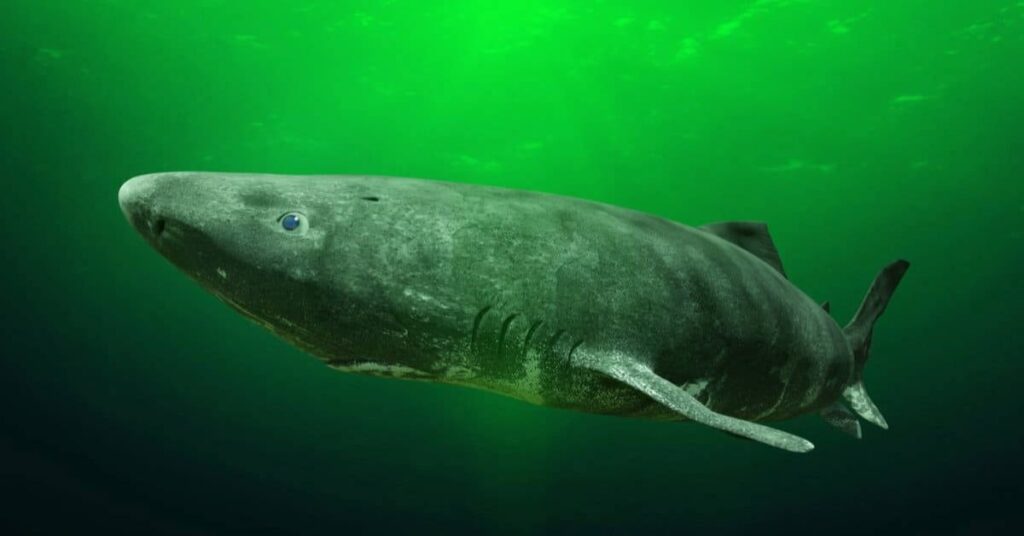
The Greenland shark lives in the cold, deep waters of the Arctic and North Atlantic oceans. It is one of the largest sharks in the world. These sharks can grow over 20 feet long and weigh more than 2,000 pounds. What makes them truly special is their incredible lifespan. Scientists believe Greenland sharks can live for 400 years or even longer. This makes them the longest-living vertebrates on Earth. They grow very slowly in the freezing cold water.
Greenland sharks move extremely slowly through the ocean. They eat fish, seals, and even dead animals that sink to the bottom. Most Greenland sharks are partially blind because of parasites attached to their eyes. Despite this, they are still effective hunters in the dark depths. Their meat is actually poisonous to humans unless prepared in a special way. These mysterious sharks spend most of their time in very deep water. Scientists are still learning about their behavior and life cycle. The Greenland shark shows us how little we know about the deep ocean.
5. Goblin Shark
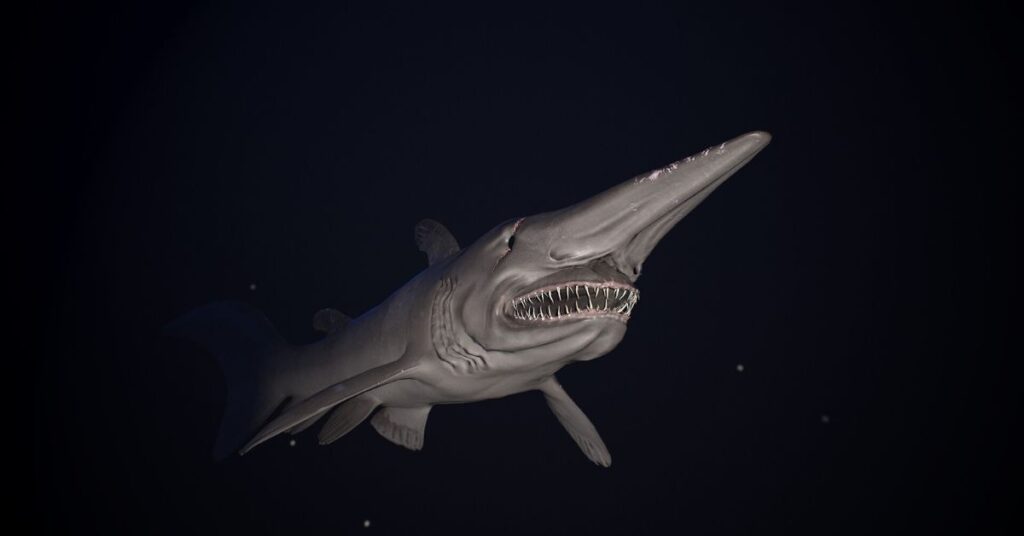
The goblin shark is one of the strangest-looking creatures in the ocean. It has a long, flat snout that sticks out like a blade from its head. Its skin is pale pink or gray, giving it a ghostly appearance. The goblin shark has a jaw that can shoot forward to catch prey. This makes it look even more unusual and scary. These sharks live in very deep water, often thousands of feet below the surface. They can grow up to 12 feet long. Scientists rarely see goblin sharks because they live so deep in the ocean.
Goblin sharks eat fish, squid, and crustaceans found in the deep sea. They use their long snout to sense electrical signals from hidden prey. Their soft, flabby bodies are built for life in the deep where there is little light. Goblin sharks move slowly and are not dangerous to humans. People almost never encounter them because of where they live. Fishermen sometimes accidentally catch them in their nets. Each discovery helps scientists learn more about these mysterious sharks. The goblin shark reminds us that the deep ocean is full of bizarre and amazing animals.
6. Blue Shark
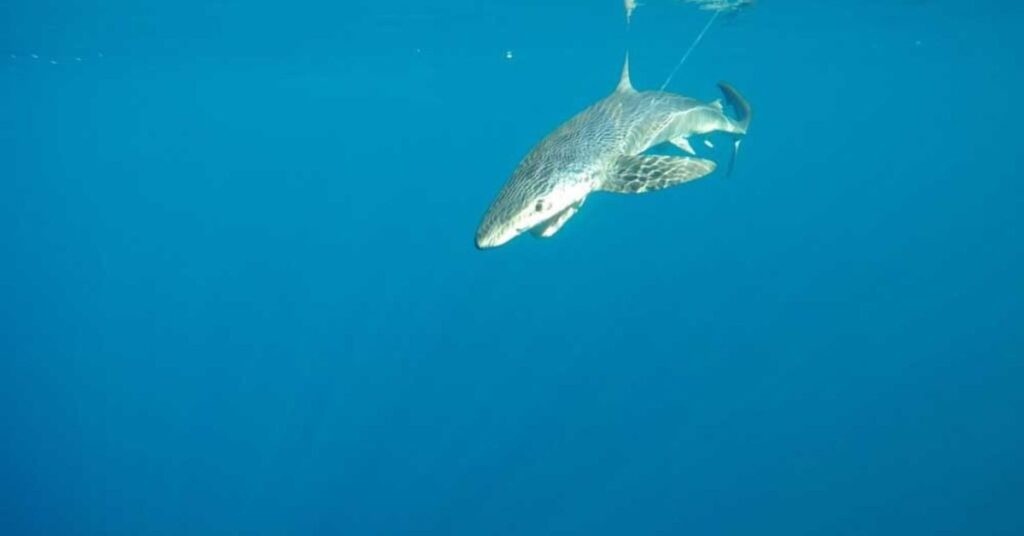
The blue shark is named for its beautiful bright blue color on top. Its sides are lighter blue and its belly is white. This coloring makes it one of the most attractive sharks in the ocean. Blue sharks have long, slim bodies built for swimming long distances. They can grow up to 12 feet long. Their pectoral fins are especially long and pointed. Blue sharks are found in oceans all around the world. They prefer cooler waters but can adapt to different temperatures.
Blue sharks are incredible travelers and can swim thousands of miles across the ocean. They eat mostly squid and small fish. These sharks often hunt in groups when chasing schools of fish. Blue sharks give birth to live babies, sometimes over 100 pups at a time. They are curious animals and sometimes approach divers and boats. While they rarely attack humans, they should still be treated with respect. Blue sharks are heavily fished for their fins and meat. Their numbers have dropped significantly in recent years. Conservation efforts are needed to protect these graceful ocean wanderers.
Read about it more: https://www.wildlifenomads.com/blog/how-many-species-of-sharks-exist/
7. Shortfin Mako Shark
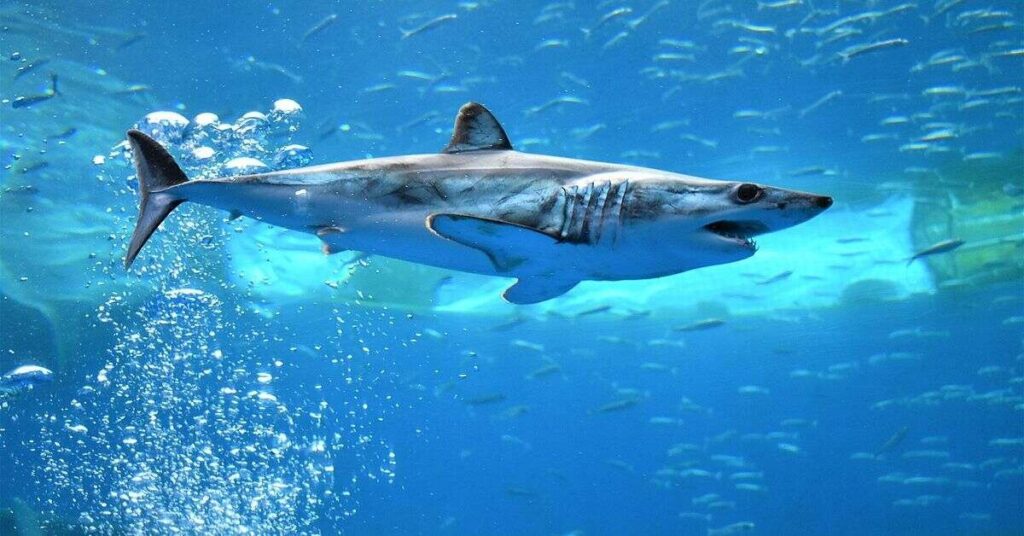
Ocean’s fastest shark is the shortfin mako shark. It can swim at speeds over 40 miles per hour. This incredible speed helps it catch fast-moving prey like tuna and swordfish. Mako sharks have sleek, torpedo-shaped bodies built for power and speed. They are dark blue on top and white underneath. These sharks can grow up to 12 feet long and weigh over 1,000 pounds. Mako sharks are famous for their ability to leap high out of the water. Jumping up to 20 feet in the air is possible for them.
Shortfin mako sharks are aggressive hunters with sharp, pointed teeth. They eat fast fish, squid, and other sharks. Globally, these sharks can be found in temperate and tropical oceans. They prefer offshore waters away from the coast. Mako sharks are highly intelligent and have excellent eyesight. Sport fishermen prize them because they put up a strong fight when hooked. They are now considered endangered in many parts of the world. Protecting these magnificent speedsters is important for ocean health.
8. Tiger Shark
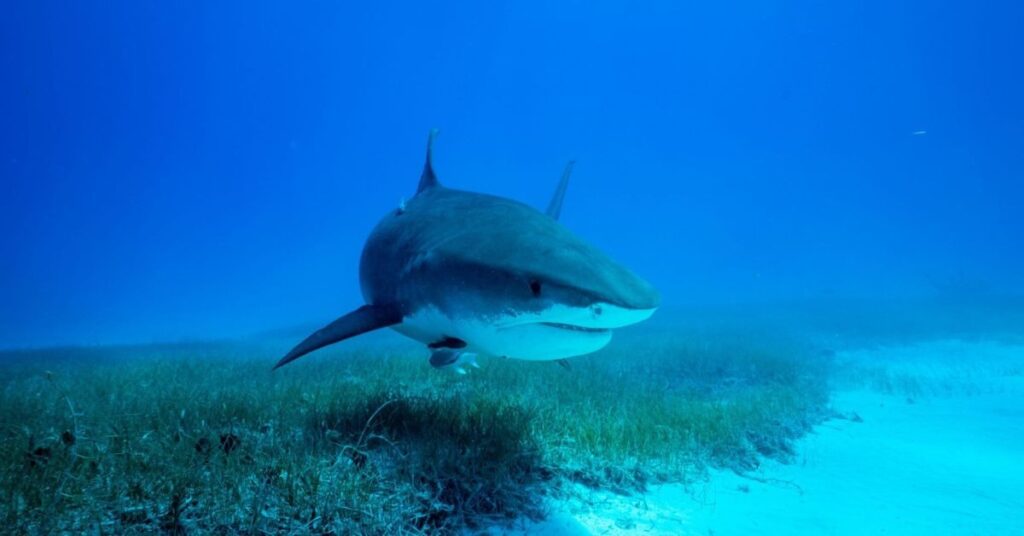
The tiger shark gets its name from the dark stripes on its body. These stripes are most visible when the shark is young. As they grow older, the stripes fade but never completely disappear. Tiger sharks have broad, blunt snouts and powerful jaws. They can grow over 16 feet long and weigh more than 1,400 pounds. Their teeth are uniquely shaped like a saw with sharp points. This allows them to cut through almost anything. Tiger sharks are found in warm tropical and subtropical waters around the world.
The tiger shark is known as the garbage can of the sea. They will eat almost anything they find, including fish, seals, birds, turtles, and even trash. License plates, tires, and other strange objects have been found in their stomachs. Humans consider them to be among the most dangerous sharks. Tiger sharks are responsible for many shark attacks each year. Despite this, they play a vital role in keeping ocean ecosystems balanced. Protecting tiger sharks helps maintain healthy coral reefs and ocean communities.
9. Thresher Shark
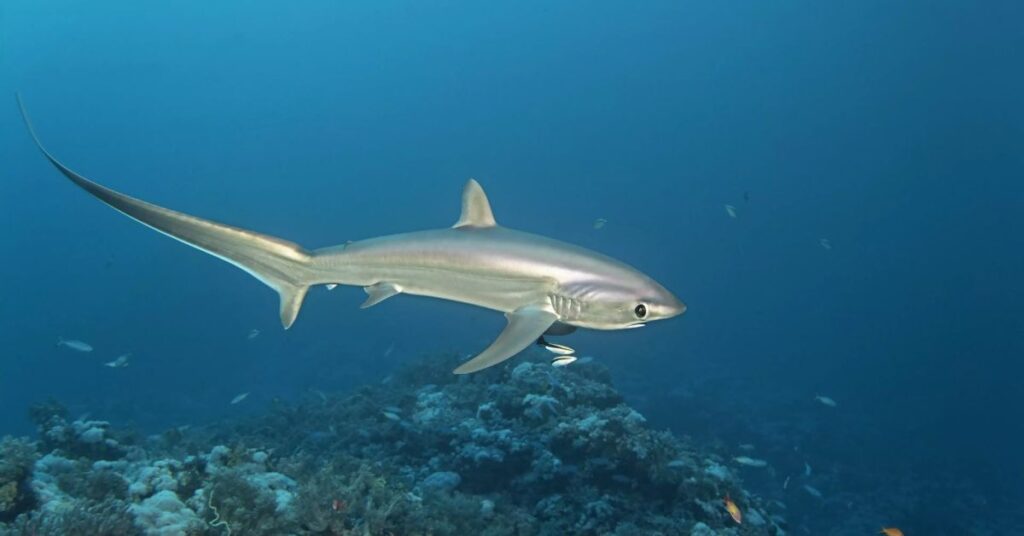
The thresher shark has one of the most unusual features of any shark. Its tail fin is extremely long, sometimes as long as its entire body. This makes the shark look like it has a giant whip attached to it. Thresher sharks can grow up to 20 feet long, with half that length being just the tail. They use this long tail as a weapon when hunting. To stun and kill fish, the shark swings its tail like a whip. It can move its tail so fast that it creates a loud cracking sound underwater.
Thresher sharks eat schools of small fish like sardines, mackerel, and herring. Globally, they are found in temperate and tropical oceans. These sharks prefer deep, open water but sometimes come closer to shore. They are not considered dangerous to humans. Divers who encounter them report they are beautiful and graceful swimmers. Thresher sharks come in three different species. All three species are now threatened because of overfishing. Their large fins are valuable, making them targets for commercial fishing. Protecting thresher sharks is important for maintaining ocean biodiversity.
10. Basking Shark
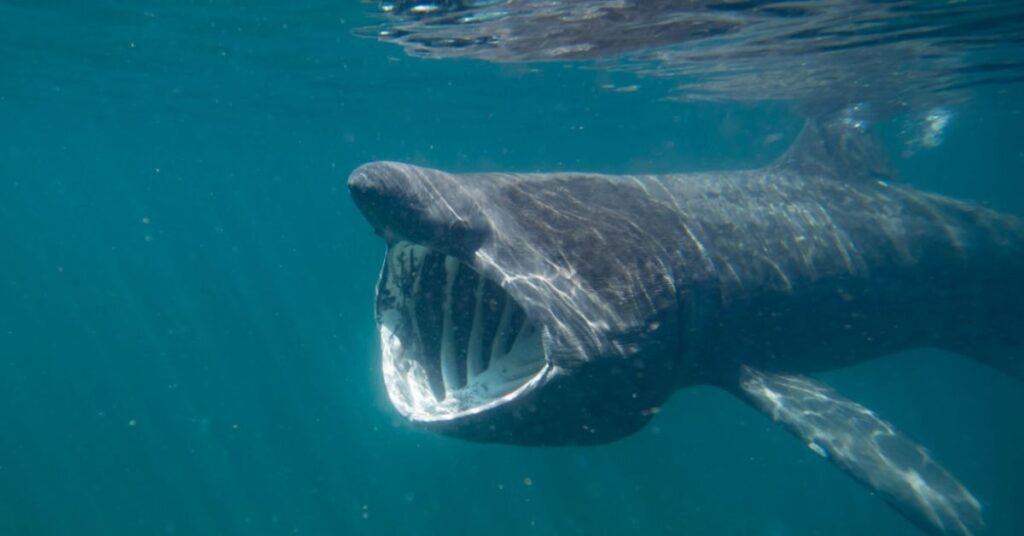
The basking shark is the second-largest fish in the ocean after the whale shark. It can grow over 30 feet long and weigh up to 5 tons. Despite its enormous size, this gentle giant is completely harmless to humans. Basking sharks have huge mouths that can open over 3 feet wide. They swim slowly with their mouths open to filter food from the water. Their name comes from their habit of swimming near the surface. It looks like they are basking in the sun. These sharks have a distinctive pointed snout and large gill slits that wrap around their heads.
Basking sharks feed on tiny plankton and small fish. They can filter thousands of gallons of water every hour through their gills. These sharks are found in cool and temperate oceans around the world. They often migrate long distances following plankton blooms. In winter, basking sharks disappear into deep water and nobody knows exactly what they do. Basking sharks were once heavily hunted for their liver oil and fins. Their populations dropped dramatically over the years. Today they are protected in many countries. Seeing a basking shark is a rare and memorable experience for ocean lovers.
11. Leopard Shark
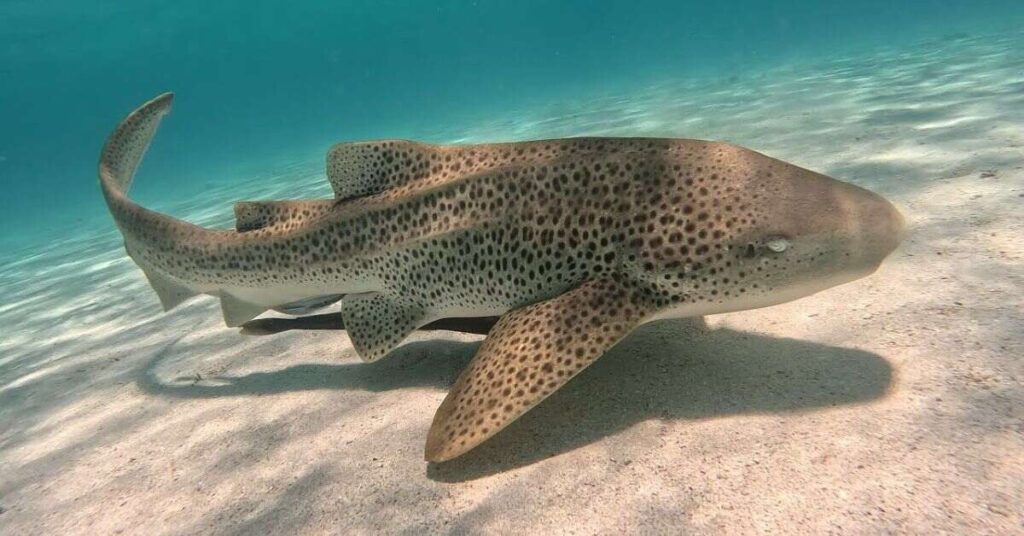
The leopard shark has beautiful markings that look like a leopard’s spots. Dark saddle-shaped patterns and spots cover its gray or brown body. These distinctive markings make it easy to identify. Leopard sharks are relatively small compared to other sharks. They usually grow between 4 to 7 feet long. Their bodies are slender and built for swimming along the ocean floor. Leopard sharks have small mouths designed for eating bottom-dwelling creatures. They are found along the Pacific coast of North America from Oregon to Mexico.
Leopard sharks eat crabs, shrimp, clams, fish eggs, and small fish. They use their strong jaws to crush hard shells. These sharks prefer shallow bays, estuaries, and sandy areas near the shore. They are often seen in groups swimming together in calm waters. Leopard sharks are completely harmless to humans. Divers and snorkelers enjoy watching them glide peacefully through the water. Many aquariums keep leopard sharks because they adapt well to captivity. These gentle sharks are an important part of coastal ecosystems.
12. Wobbegong Shark
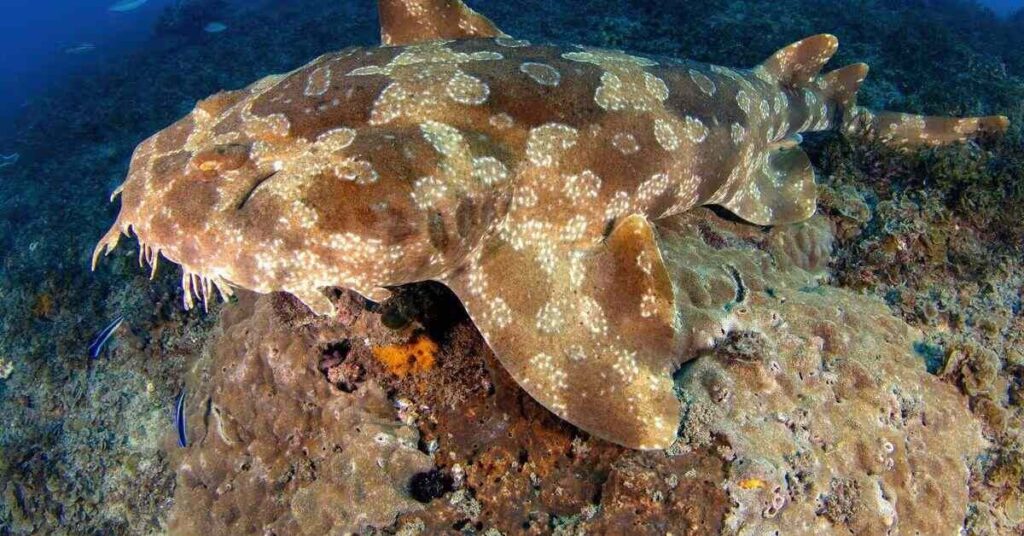
The wobbegong shark is a master of disguise in the ocean. It has a flat, wide body covered in patterns that look like rocks and seaweed. Fringed whiskers hang around its mouth like a beard. These whiskers help it blend in perfectly with the ocean floor. Wobbegong sharks are also called carpet sharks because of their decorative appearance. They can grow between 4 to 10 feet long depending on the species. Their camouflage is so good that other fish often swim right past them. Wobbegong sharks are found in shallow waters around Australia and parts of Asia.
Wobbegong sharks are ambush predators that wait quietly on the seafloor. When fish or octopus come close enough, they strike with lightning speed. Their strong jaws and sharp teeth make them effective hunters. These sharks are mostly active at night. During the day, they rest under ledges or in caves. Wobbegong sharks are normally not aggressive toward humans. However, people have been bitten when they accidentally step on them or get too close. Divers need to watch carefully where they put their hands and feet. The wobbegong’s amazing camouflage makes it one of the ocean’s most interesting sharks. Their populations are stable in most areas where they live.
Size Extremes: From Giants to Miniatures
The size difference between the largest and smallest shark species is absolutely mind-blowing.
The whale shark holds the title as the largest shark and the largest fish in the world. These gentle giants can reach lengths of 18.8 meters (62 feet). That’s longer than most buses you see on city streets.
Despite their enormous size, whale sharks pose zero threat to humans. They’re filter feeders, meaning they eat by swimming with their mouths open and filtering tiny plankton from the water. An adult whale shark can weigh over 21 tonnes.
The basking shark comes in as a close second. It can grow up to 12.3 meters (40 feet) long. Like whale sharks, basking sharks are peaceful filter feeders.
On the complete opposite end of the spectrum lives the dwarf lanternshark. This tiny creature holds the record as the world’s smallest shark. Adult females reach only 20 centimeters (8 inches) in length. Males are even smaller at just 16 to 17.5 centimeters (6 to 7 inches).
You could easily hold a dwarf lanternshark in the palm of your hand. These miniature sharks live in deep waters off the coasts of Colombia and Venezuela. They’re bioluminescent, meaning they glow in the dark depths of the ocean.
Other small shark species include the spined pygmy shark at around 20 centimeters, the pale catshark at 21 centimeters, and various lanternsharks that rarely exceed 25 centimeters.
Fascinating Shark Species You Should Know
Let’s explore some of the most interesting shark species swimming in our oceans today.
The hammerhead shark has one of the most distinctive shapes in the animal kingdom. Their flattened, hammer-shaped heads aren’t just for show. These unique heads contain special sensory organs that help them detect the electrical fields produced by prey. Great hammerhead sharks can grow up to 6 meters (20 feet) long.
Tiger sharks are powerful predators found in tropical and temperate waters worldwide. They get their name from the dark vertical stripes on their bodies, though these fade as the sharks mature. These opportunistic eaters will consume almost anything, from sea turtles to other sharks. They typically reach about 5 meters (16 feet) in length.
Bull sharks are unique because they can survive in both saltwater and freshwater. They’ve been found in rivers thousands of miles inland. This adaptability, combined with their aggressive nature, makes them one of the species most likely to encounter humans.
Nurse sharks are docile bottom-dwellers found in warm, shallow waters. They spend much of their day resting on the ocean floor, often in groups. At night, they become active hunters, using powerful suction to extract prey from crevices in rocks and coral.
The goblin shark looks like something from a nightmare. With its long, flat snout and protruding jaws, this deep-sea shark is rarely seen by humans. When it attacks prey, its jaws shoot forward in a horrifying display.
Greenland sharks are the longest-lived vertebrates on Earth. These slow-moving creatures can live for 400 years or more. They inhabit the cold, deep waters of the North Atlantic and Arctic oceans.
Thresher sharks have extraordinarily long tail fins that can be as long as their bodies. They use these tails like whips to stun schools of fish before eating them.
Where Different Types of Sharks Live
Sharks inhabit every ocean on Earth, from shallow coastal waters to the deepest trenches.
Some species prefer warm tropical waters. Whale sharks, nurse sharks, and many reef sharks thrive in these warmer environments. You’ll find them cruising along coral reefs, in shallow bays, and near tropical islands.
Other sharks love the cold. Greenland sharks and Pacific sleeper sharks patrol frigid Arctic and sub-Arctic waters. These cold-water species move slowly to conserve energy in their chilly habitats.
Deep-sea sharks live in a world of darkness and crushing pressure. Many of these species, like various dogfish sharks and lanternsharks, have developed bioluminescence. They create their own light to attract prey or communicate with each other in the pitch-black depths.
Coastal sharks like bull sharks, blacktip reef sharks, and lemon sharks prefer shallow waters near shores. These areas provide abundant food and serve as nursery grounds for young sharks.
Open ocean sharks roam the vast expanses of the high seas. Blue sharks, oceanic whitetip sharks, and shortfin makos spend their lives far from land, following schools of fish and marine mammals.
Some sharks migrate thousands of miles each year. Great white sharks travel between feeding grounds and breeding areas. Whale sharks also undertake massive migrations, following seasonal plankton blooms across entire ocean basins.
Certain species have adapted to unique environments. The epaulette shark can actually walk on its fins across coral reefs. Some river sharks live exclusively in freshwater systems.
The Role of Sharks in Ocean Ecosystems
Every shark species plays a vital role in maintaining healthy ocean ecosystems.
As apex predators, sharks help control populations of other marine animals. They typically hunt sick, weak, or old individuals, which keeps prey populations healthy and genetically strong.
This process is called top-down regulation. When sharks are removed from an ecosystem, the effects cascade throughout the entire food web. Prey populations explode, then deplete their own food sources, leading to ecosystem collapse.
Sharks also help maintain the balance between different species. By keeping populations in check, they prevent any one species from dominating and destroying the habitat.
Filter-feeding sharks like whale sharks and basking sharks play a different role. They help regulate plankton populations and contribute to nutrient cycling in the oceans.
Even shark poop serves an important purpose. It fertilizes the ocean, providing nutrients that support the entire marine food web from the bottom up.
The presence of healthy shark populations indicates a healthy ocean. When shark numbers decline, it’s often a warning sign of broader environmental problems.
Conservation Status and Threats
The sad truth is that many shark species face serious threats to their survival.
Approximately 36% of shark and ray species are threatened with extinction, according to the International Union for Conservation of Nature (IUCN). This makes them one of the most threatened groups of vertebrates on Earth, second only to amphibians.
Overfishing is the primary threat facing sharks worldwide. Commercial fishing operations kill an estimated 100 million sharks every year. Some estimates are even higher.
Many sharks are caught for their fins, which are used to make shark fin soup. This brutal practice called finning involves cutting off a shark’s fins and throwing the still-living animal back into the ocean, where it dies a slow death.
Habitat loss affects many coastal shark species. The destruction of mangrove forests, seagrass beds, and coral reefs eliminates crucial nursery grounds where young sharks grow and develop.
Some shark species have suffered dramatic population declines. In some regions, the oceanic whitetip shark population has declined by over 90%.
Great white sharks, whale sharks, and basking sharks are all listed as Vulnerable or Endangered.
The good news is that conservation efforts can work. In areas with strong fisheries management, like the United States, some shark populations are recovering.
International agreements like CITES (Convention on International Trade in Endangered Species) now protect many shark species.
Marine protected areas provide safe havens where sharks can live and breed without human interference. These protected zones are expanding in many parts of the world.
How You Can Help Protect Sharks
Everyone can contribute to shark conservation, even if you live far from the ocean.
Choose sustainable seafood. Use guides like those from the Monterey Bay Aquarium to select fish that are caught or farmed responsibly. Avoid restaurants that serve shark fin soup.
Support conservation organizations working to protect sharks. Many groups conduct research, advocate for protective policies, and work with local communities to develop sustainable practices.
Learn and share accurate information about sharks. Much of the fear surrounding sharks comes from misinformation and sensationalized media coverage. Help others understand that sharks are not mindless killing machines but complex animals deserving of protection.
Be a responsible ocean user. If you swim, dive, or surf in the ocean, respect shark habitats. Follow local guidelines and never harass marine wildlife.
Reduce your plastic use. Marine pollution harms sharks and their prey. Every piece of plastic you keep out of the ocean helps.
Choose eco-friendly tourism. If you want to see sharks in the wild, select tour operators who follow responsible wildlife viewing practices. This kind of tourism shows local communities that sharks are worth more alive than dead.
| Shark Order | Number of Species | Notable Examples |
| Carcharhiniformes (Ground Sharks) | ~296 | Tiger shark, Bull shark, Hammerhead sharks |
| Squaliformes (Dogfish Sharks) | ~126 | Greenland shark, Spiny dogfish |
| Orectolobiformes (Carpet Sharks) | ~47 | Whale shark, Nurse shark, Wobbegong |
| Lamniformes (Mackerel Sharks) | ~15 | Great white shark, Mako shark, Basking shark |
| Heterodontiformes (Bullhead Sharks) | ~9 | Port Jackson shark, Horn shark |
| Pristiophoriformes (Sawsharks) | ~9 | Longnose sawshark |
| Squatiniformes (Angel Sharks) | ~24 | Pacific angel shark |
| Hexanchiformes (Cow Sharks) | ~7 | Bluntnose sixgill shark, Frilled shark |
The Future of Shark Diversity
The question of how many types of sharks exist doesn’t have a simple, final answer. Every year brings new discoveries in the depths we’ve barely explored.
Scientists estimate that large portions of the ocean remain unstudied. The deep sea, in particular, likely harbors many shark species we’ve never encountered.
The future of shark diversity depends entirely on our conservation actions today. If we protect these magnificent animals and their habitats, future generations will inherit oceans full of sharks in all their incredible variety.
But if current trends continue, many species could disappear before we even discover them. The choice is ours to make.
Understanding how many types of sharks exist is about more than just numbers. It’s about appreciating the stunning diversity of life in our oceans. It’s about recognizing that each species, from the tiniest dwarf lanternshark to the massive whale shark, plays an irreplaceable role in the health of our planet.
Sharks have survived for over 400 million years, outlasting dinosaurs and countless other species. With our help, they can continue swimming in our oceans for millions of years to come.
Conclusion
So, how many types of sharks exist today? Scientists recognize more than 500 species, each with a unique role in the ocean. From tiny glowing sharks to massive filter feeders, shark diversity is incredible.
Sharks are not just predators. They are guardians of ocean balance. Their presence keeps marine ecosystems strong and healthy. When sharks disappear, oceans suffer.
Learning about sharks builds respect and understanding. Protecting them supports ocean life as a whole. By spreading awareness and supporting conservation, we help ensure sharks remain part of our world.
FAQs
How many types of sharks exist today?
Scientists currently recognize over 500 shark species worldwide.
Are all sharks dangerous to humans?
Most sharks are not dangerous. Only a few species pose any risk, and attacks are rare.
What is the largest shark species?
The whale shark is the largest. It feeds on plankton and small fish.
Where do most sharks live?
Most sharks live in saltwater oceans. Some species also live in rivers and lakes.
Why should we protect sharks?
Sharks keep ocean ecosystems balanced. Protecting them supports healthy seas and biodiversity.
